Hong Kong Dog-Friendly Restaurants: Over 900 Approved, 3 Types Still Banned
AM730 · 1 SOURCESabout 2 hours ago2 MIN
Summary
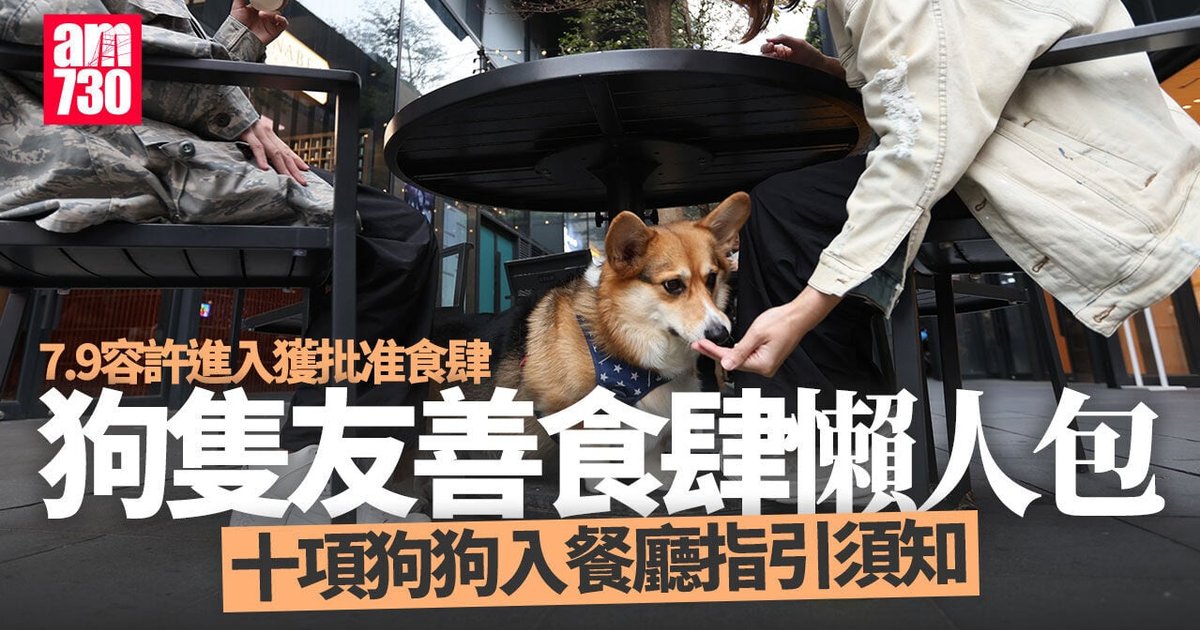
The Food and Environmental Hygiene Department has formally implemented a scheme allowing dogs into approved restaurants, with the list updated to August 6. Over 900 restaurants have completed the necessary procedures to become dog-friendly establishments. The initiative, which began with a target of 500 to 1,000 approved venues, requires both restaurant operators and dog owners to comply with stringent regulations regarding food safety, hygiene, and animal control.
Key Points
- Over 900 restaurants have been approved as dog-friendly establishments as of August 6, exceeding the initial target of 500 to 1,000 venues .
- Three types of restaurants remain banned from the scheme: hot pot restaurants, barbecue restaurants including teppanyaki and Korean BBQ, and any restaurant with floor area smaller than 20 square meters .
- Dogs must be vaccinated against rabies, microchipped, and owners must carry electronic dog licenses accessible through the "iAM Smart" app for verification .
- Dogs must remain on leashes no longer than 1.5 meters, controlled by an adult at all times, even when placed in pet bags or strollers .
- Restaurants are prohibited from cooking or heating dog food on premises, but may sell pre-packaged dry food, vacuum-packed items, and canned dog food without additional processing .
Why It Matters
This policy marks a significant shift in Hong Kong's food licensing regulations, reflecting evolving attitudes toward pet ownership in urban spaces while maintaining strict public health safeguards . The scheme balances consumer demand for pet-inclusive dining experiences with food safety requirements, potentially serving as a model for other Asian cities grappling with similar urban pet policy challenges .
This policy marks a significant shift in Hong Kong's food licensing regulations, reflecting evolving attitudes toward pet ownership in urban spaces while maintaining strict public health safeguards . The scheme balances consumer demand for pet-inclusive dining experiences with food safety requirements, potentially serving as a model for other Asian cities grappling with similar urban pet policy challenges .