China's First River-to-Sea Canal Opens Wednesday, Cutting Shipping Distance by 560 km
Bastillepost · 2 SOURCESabout 2 hours ago2 MIN
Summary
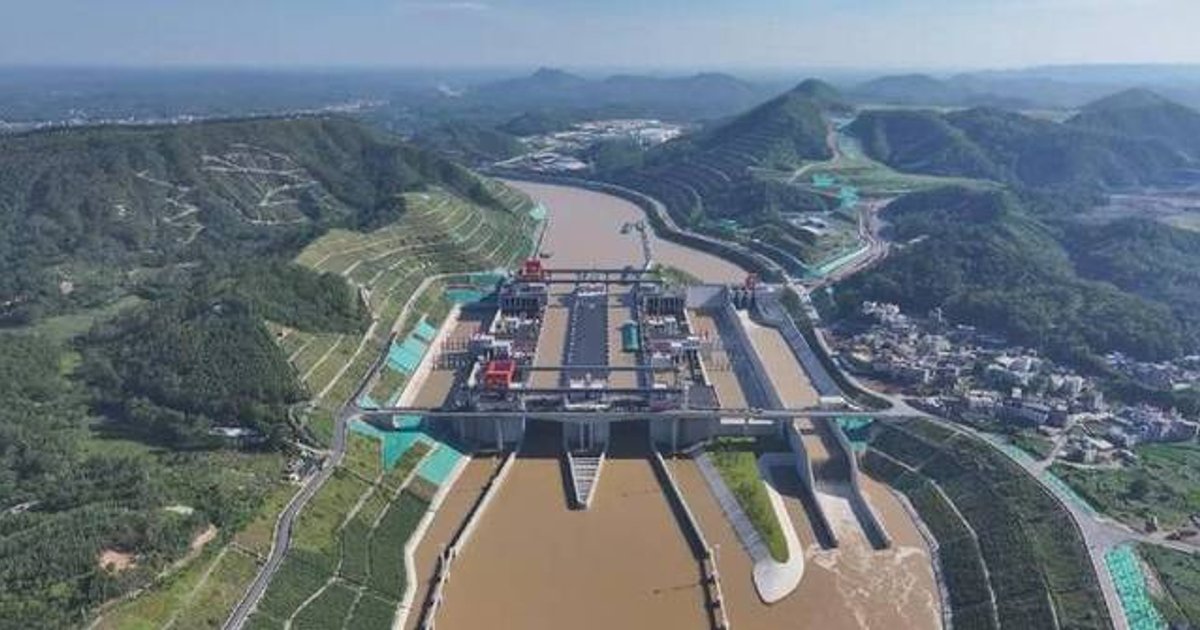
China's Pinglu Canal, a groundbreaking 134.2-kilometre waterway linking the Xijiang River in the north to the Beibu Gulf in the south, officially opens on September 16, 2026. The 727 billion yuan megaproject, the first nationally coordinated river-to-sea canal built since the founding of the People's Republic, marks a historic milestone in China's infrastructure development. The canal will slash shipping distances from Southwest China to ASEAN markets by over 560 kilometres, generate annual savings exceeding 50 billion yuan in transportation costs, and position China to strengthen economic ties with Southeast Asia, its largest trading partner.
Key Points
- The Pinglu Canal stretches 134.2 kilometres from Pingsha River Estuary in Nanning's Hengxian County to the Beibu Gulf via the Qin River
- Construction began on August 28, 2022, with a total investment of approximately 727 billion yuan, and the project achieved full-line navigation on September 16, 2026
- The canal can accommodate 5,000-tonne vessels, the highest capacity among world canals of its type, and reduces inland shipping distances by over 560 kilometres
- Three navigation hubs—Madao, Qishi, and Qingnian—feature the world's tallest water-saving ship lock, with a maximum head of 29.6 metres at Madao
- The project moved 315 million cubic metres of earth and rock, roughly three times the volume of the Three Gorges Dam
- A digital twin management platform integrates BeiDou navigation, cloud computing, and AI to provide real-time monitoring and risk warning across the entire waterway
- Maritime authorities have certified 570 registered vessels for canal passage, with comprehensive safety inspections underway
Why It Matters
The Pinglu Canal represents a strategic shift in China's trade logistics, redirecting goods flow from the eastern coast to southern seaports and deepening economic integration with ASEAN nations, which have become China's largest trading partner . For Hong Kong, the canal's opening strengthens the broader land-sea trade corridor connecting southern China to global markets, potentially reshaping regional shipping patterns and supply chain networks that touch on Hong Kong's port and logistics sector.
The Pinglu Canal represents a strategic shift in China's trade logistics, redirecting goods flow from the eastern coast to southern seaports and deepening economic integration with ASEAN nations, which have become China's largest trading partner . For Hong Kong, the canal's opening strengthens the broader land-sea trade corridor connecting southern China to global markets, potentially reshaping regional shipping patterns and supply chain networks that touch on Hong Kong's port and logistics sector.