Calls Grow for Binding Rules on Standing Work
HK01 · 1 SOURCESabout 6 hours ago5 MIN
Summary
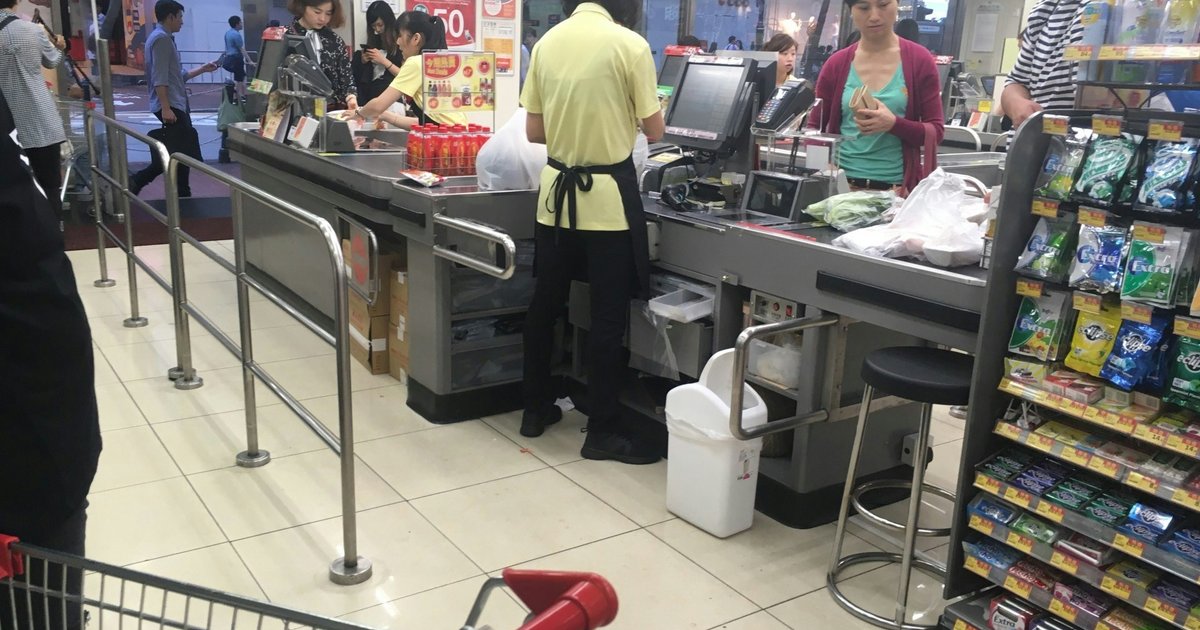
Legislative Council member Lee Ka-kui (李家駒) says Hong Kong has long treated prolonged standing at work as an occupational health issue, but protections still rely mainly on voluntary guidance rather than binding rules. He points to occupational health clinic figures and an industry survey suggesting many workers in retail, catering, property management and security spend extended hours on their feet. Lee argues the government should study risk-based regulation, drawing on examples from Singapore and South Korea instead of waiting for perfect medical proof of direct causation in every case
Key Points
- The Labour Department’s occupational health clinics recorded 4,639 new patients with lower-limb diseases from 2017 to 2025, or 32.2% of all new cases
- A 2018 survey by the Hong Kong Property Management and Security Workers General Union found 57.1% stood more than eight hours daily, while 14.9% exceeded 10 hours
- Hong Kong’s main safeguard is the Labour Department’s 2018 Guidance Notes on Standing Work and Service Counter Design, which recommends seating, job rotation and rest breaks
- From 2021 to 2025, the Labour Department conducted 1,105 related inspections but issued only 12 warnings, raising questions about enforcement under non-binding guidance
- Lee says Singapore uses ergonomics-based risk assessment and expanded occupational disease coverage in December last year, while South Korea mandates seating, rest periods and administrative fines in specified cases
Why It Matters
The debate goes beyond workplace comfort because the sectors named are part of Hong Kong’s daily service economy and employ many lower-paid frontline staff. If the government moves toward pilot schemes or legal standards, employers and workers would gain clearer expectations on seating, breaks and compliance instead of relying mainly on voluntary practice