Iran, Oman Agree on New Strait of Hormuz Route; Reopening Remains Conditional
Crhk · 2 SOURCESabout 2 hours ago2 MIN
Summary
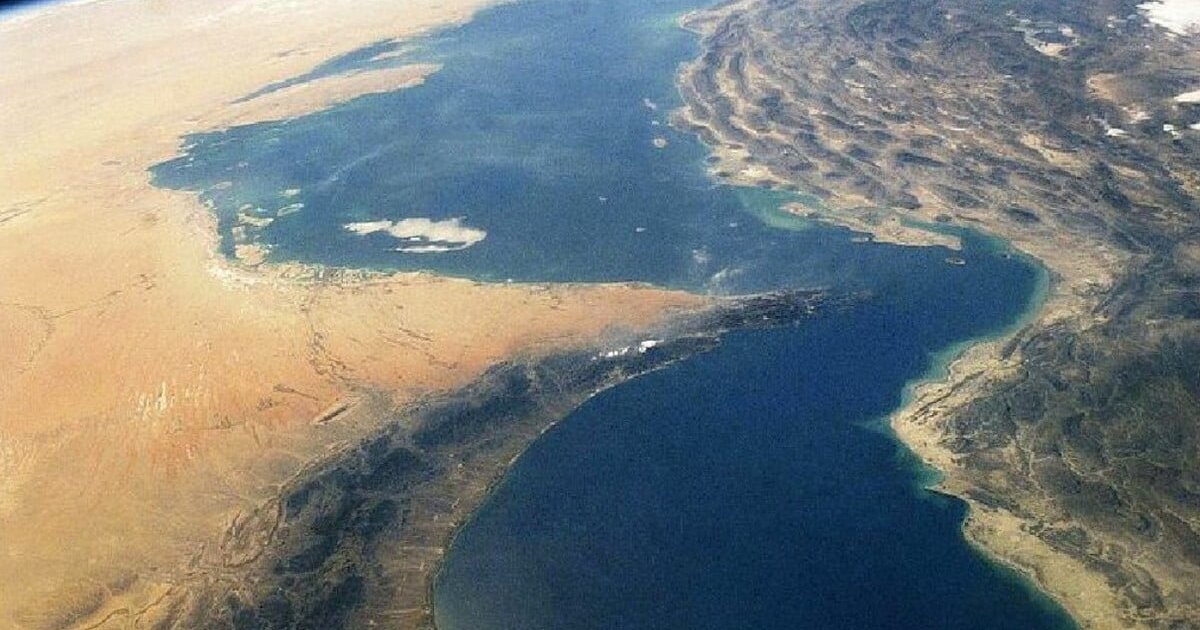
Iran and Oman have reached an agreement on new shipping route details for the Strait of Hormuz, to be presented at a regional meeting in Muscat on Monday. The new route will run entirely through Iranian territorial waters, but officials stress this does not mean the strategic waterway will reopen. Iran has set seven conditions for the United States before any reopening can occur.
Key Points
- The new entry route into the Persian Gulf will be located entirely within Iranian territorial waters, while the exit route will be partially in Iranian waters, with vessels following Iran's arrangements .
- Iranian Foreign Minister Araghchi stated the Muscat meeting will focus on briefing participating countries about the agreement details and the new route's roadmap .
- Araghchi emphasized that Iran will not reopen the strait unless the United States first fulfills its commitments made in the memorandum of understanding .
- The southern route that the United States insists remain open will stay closed until Iran's seven conditions are met and approved by Iran's highest authorities .
- Iranian Foreign Ministry spokesman Bagaei stated that regional security should be guaranteed by regional countries without outside interference, building a system based on shared interests .
Why It Matters
The Strait of Hormuz handles approximately 20% of global oil shipments, making any partial reopening significant for energy markets worldwide . The agreement demonstrates Iran's continued leverage over international shipping while signaling a potential pathway to de-escalation if US-Iran diplomatic conditions are met. This development also reflects growing Gulf regional coordination, with Oman serving as a key intermediary between Iran and other Gulf states.
The Strait of Hormuz handles approximately 20% of global oil shipments, making any partial reopening significant for energy markets worldwide . The agreement demonstrates Iran's continued leverage over international shipping while signaling a potential pathway to de-escalation if US-Iran diplomatic conditions are met. This development also reflects growing Gulf regional coordination, with Oman serving as a key intermediary between Iran and other Gulf states.