HK01 urges closure after Alliance case ruling
HK01 · 1 SOURCESabout 3 hours ago4 MIN
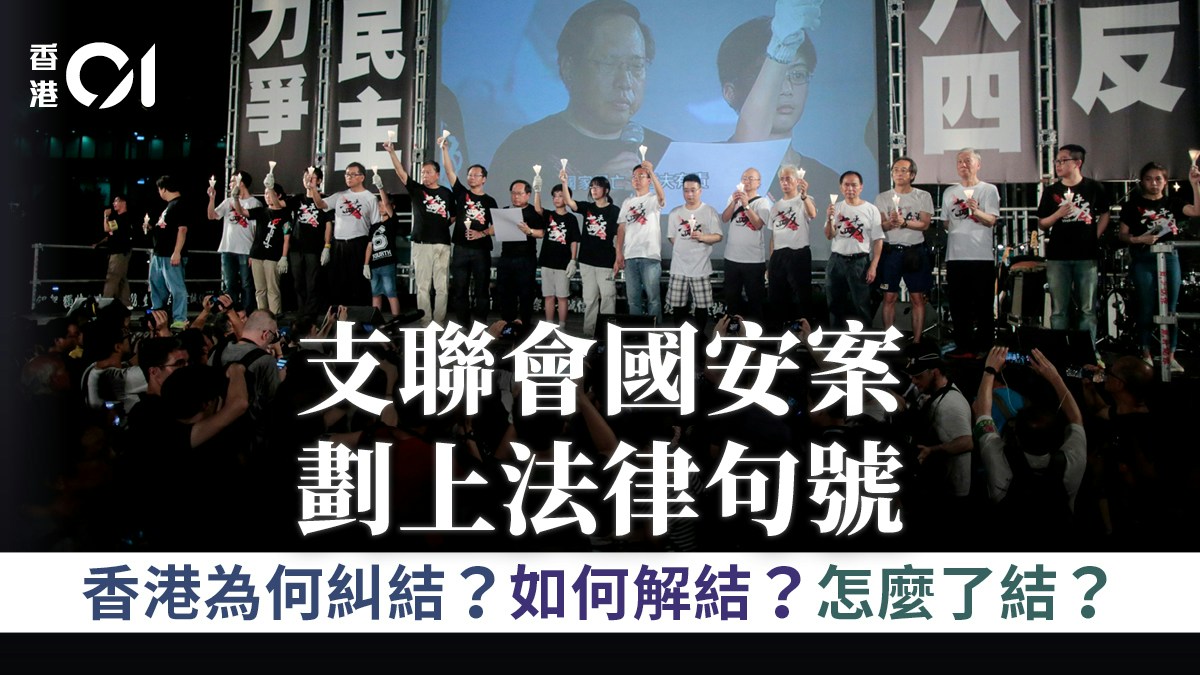
Summary
HK01 said the Hong Kong Alliance case has now been explained in unusually detailed judicial terms, with a 110,000-word judgment and a sentencing decision of nearly 10,000 words. The editorial argued that while the court set out the legal basis clearly, ending the controversy requires addressing the deeper emotional and political knots that still divide parts of Hong Kong society.
Key Points
- HK01 said the court issued a 110,000-word judgment and a sentencing explanation of nearly 10,000 words, describing both as detailed and professional.
- The editorial said the court repeatedly stressed that candlelight vigils commemorating June 4 were not improper in themselves.
- It said the legal problem arose after the 2018 amendment to the Constitution, because the Alliance’s platform of “ending one-party dictatorship” conflicted with Article 1’s ban on undermining the fundamental system.
- HK01 wrote that after the Hong Kong National Security Law took effect in 2020, the defendants persisted despite knowing the platform might breach Articles 22 and 23 on inciting subversion.
- The editorial traced the Alliance’s origins to the 1989 democracy movement and said many Hong Kong people joined its activities out of concern for compatriots and hopes for national progress.
- The editorial argued that the Alliance later turned public concern over China’s development into a distinctive form of political participation that helped the pan-democratic camp build organisational strength and electoral support. It said that political path was ultimately built on immature assumptions and later collapsed.
- HK01 also highlighted the role of founding figure Szeto Wah, saying that although he was anti-Communist, he understood constitutional realities and the need for compromise and dialogue, citing the 2010 political reform negotiations as an example. It argued that after his death, a newer generation of leaders and more radical forces abandoned pragmatic communication, turned politics into emotional performance, and transformed June 4 commemorations into a platform for confrontation.
- The editorial further argued that the Alliance’s long-running call to “vindicate June 4” and “end one-party dictatorship” hardened into a narrow anti-Communist narrative over more than 30 years. It said this simplified China’s development into a binary clash between “authoritarianism” and “democracy,” fostering prejudice and even hostility toward the state system among some people in Hong Kong.
- According to HK01, that narrative also bound “patriotism” too closely to criticism of the Chinese Communist Party, while overlooking the party’s role as China’s sole governing party and the country’s achievements in poverty reduction, economic growth, governance and innovation since reform and opening up. The editorial said annual commemorations in Hong Kong repeatedly foregrounded the memory of the crackdown while neglecting the broader context of the 1989 movement and later national development.
- It also criticised what it described as mistaken assumptions about Western systems, saying some people treated democracy and freedom as universal cures and believed confrontation could force Beijing to compromise. HK01 argued that such thinking ignored political realities and the distinction between political means and the goal of good governance.
Why It Matters
For Hong Kong readers, the editorial frames the Alliance case not only as a legal judgment but as a dispute over memory, identity and the boundaries of political expression after the 2018 constitutional amendment and the 2020 national security law.
How that argument is received may shape future public discussion of June 4 commemorations, patriotism and the space for opposition politics in Hong Kong.