Airport APM Service Suspended 6 Hours After Concrete Debris Found on Track
AM730 · 1 SOURCESabout 15 hours ago2 MIN
Summary
Hong Kong International Airport's Automated People Mover (APM) system experienced a partial service suspension of approximately six hours on Thursday after concrete spalling was discovered on a track near Terminal 1's West Hall . The Airport Authority arranged shuttle buses for passengers traveling between Terminal 1 East Hall and the Midfield Concourse, while maintaining APM service between West Hall and the Midfield Concourse . Service was fully restored by approximately 11:45 a.m. after emergency repairs and inspections, with no reports of passengers missing flights due to the incident .
Key Points
- Concrete spalling was found during a routine 5 a.m. inspection on a track support near Terminal 1 West Hall .
- APM service between Terminal 1 East Hall and West Hall was suspended for about six hours for emergency repairs .
- Shuttle buses replaced APM service between Terminal 1 East Hall and the Midfield Concourse during the disruption .
- Passengers reported waiting at least 10 minutes between APM trains at Terminal 2 during the adjusted service period .
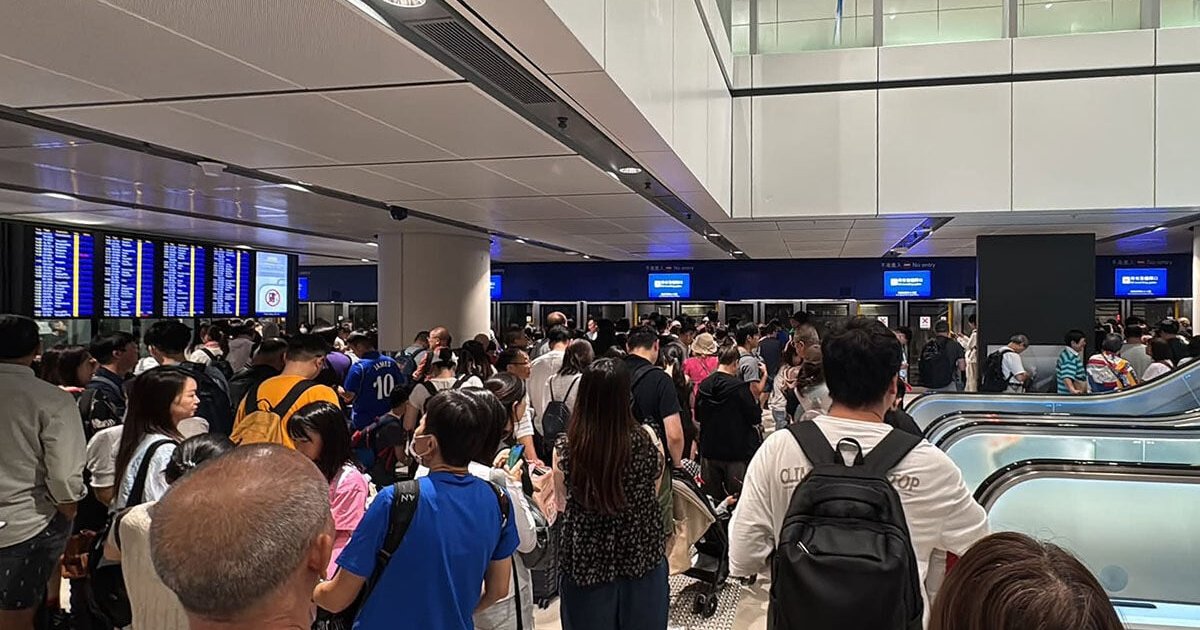
- Large crowds of passengers gathered at Terminal 2 platforms as all post-immigration travelers must take the APM to reach Terminal 1 .
Why It Matters
This incident highlights the vulnerability of Hong Kong's critical airport infrastructure to aging-related defects and the cascading effects on passenger flow through the tightly integrated terminal system . The reliance on a single automated transport link between Terminal 2 and Terminal 1 creates significant congestion risks when disruptions occur, affecting the travel experience for thousands of passengers during peak morning hours .
This incident highlights the vulnerability of Hong Kong's critical airport infrastructure to aging-related defects and the cascading effects on passenger flow through the tightly integrated terminal system . The reliance on a single automated transport link between Terminal 2 and Terminal 1 creates significant congestion risks when disruptions occur, affecting the travel experience for thousands of passengers during peak morning hours .