Chan warns deflation lessons echo from late Ming
On.cc · 1 SOURCESabout 3 hours ago5 MIN
Summary
Chan Chi-wah (陳志華), chairman of the Hong Kong Securities and Futures Professionals Association, argues that the late Ming dynasty’s collapse was linked to imported deflation as well as border threats and internal uprisings. He says the Ming tax system became tied to silver after the Single Whip Reform, leaving state finances and livelihoods exposed to external supply shocks. He draws a parallel with current mainland deflation pressure, citing weak prices and an IMF warning that property contraction and high debt could prolong soft domestic demand. He concludes that policy should prioritise monetary and financial autonomy, diversified reserves, supply-chain resilience and stress testing.
Key Points
- Chan wrote that Zhang Juzheng’s Single Whip Reform in the ninth year of the Wanli reign converted land tax, labour service and miscellaneous levies into silver payments.
- He said China was not a major silver producer, so once taxes were linked to silver prices, fiscal stability became vulnerable to imported monetary shocks.
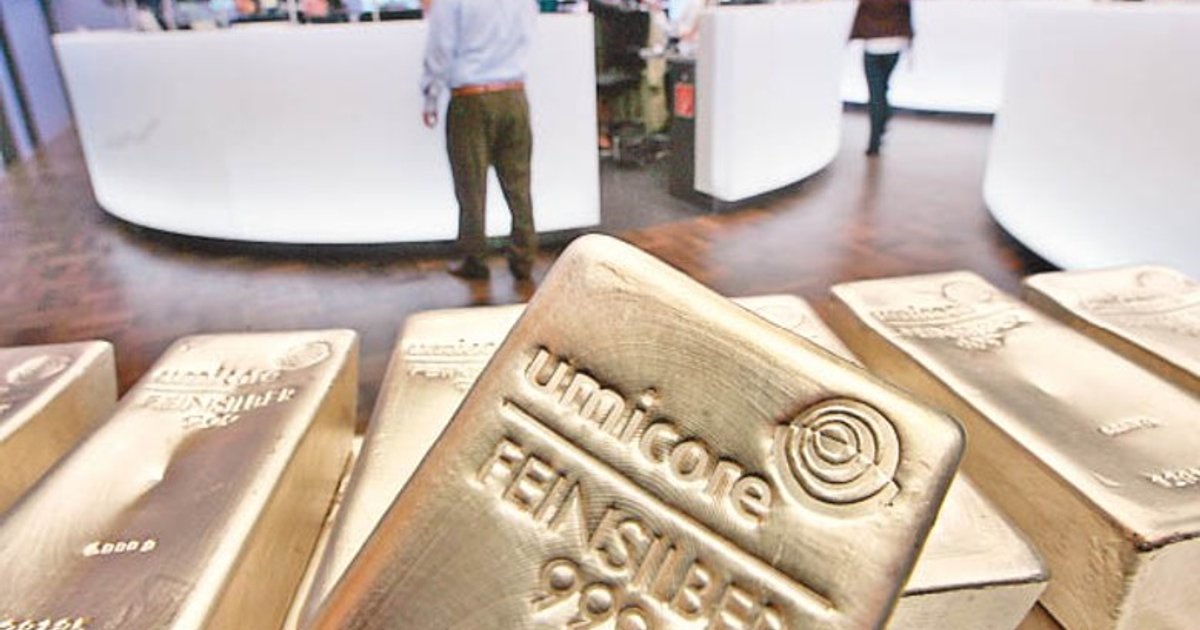
- According to the article, silver inflows from Japan and the Americas later narrowed as Tokugawa restrictions and disrupted transoceanic trade tightened supply, pushing up silver’s value and causing deflation.
- Chan said fixed silver-denominated taxes became heavier for farmers earning mainly in goods, while added levies for Liaodong defence, suppression and training deepened unrest in Shaanxi and Henan.
- He cited recent mainland indicators: last year’s CPI was flat year on year, PPI fell 2.6%, and the GDP deflator had stayed negative for 11 straight quarters by year-end since the second quarter of 2023.
Why It Matters
For Hong Kong readers, the argument links historical dependence on external money flows with present-day risks from weak mainland demand and unpredictable overseas shocks. Chan’s emphasis on policy autonomy and resilience points to concerns that external finance, trade routes and imported price pressures can still feed directly into the region’s economic outlook.