US Stocks Slide as Trump Rejects Iran Strait Proposal; HK Futures Expiry Weighs on Hang Seng
AM730 · 2 SOURCESabout 3 hours ago3 MIN
Summary
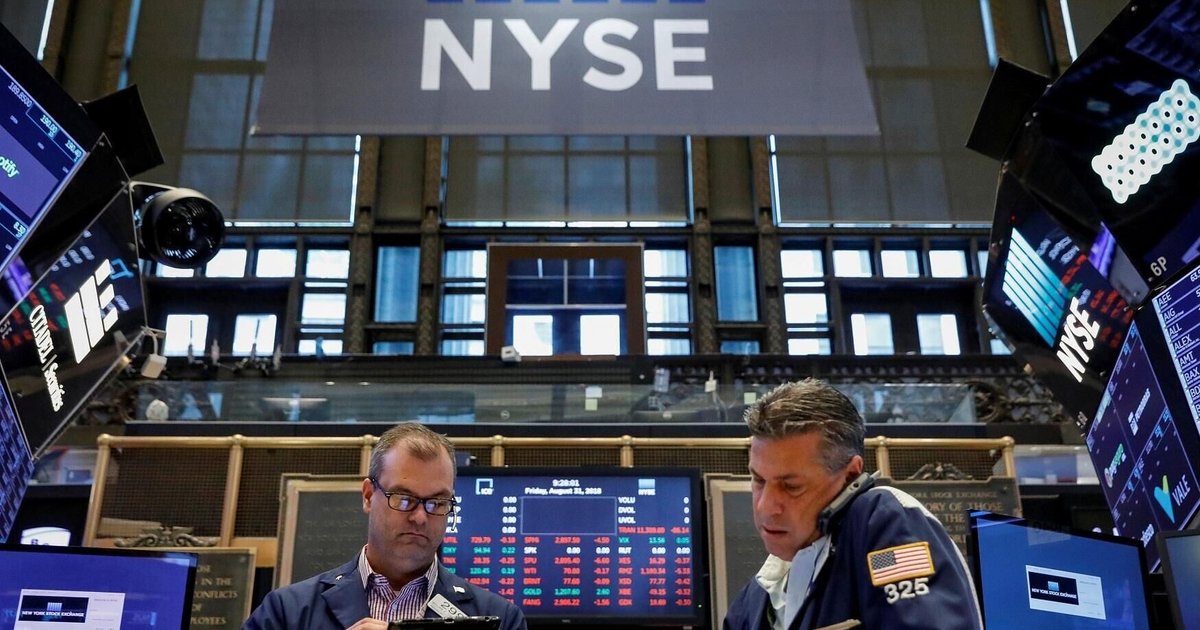
US stock markets declined sharply on September 28, with the four major indices all retreating. The Dow Jones Industrial Average fell 347 points to close at 51,481, while the S&P 500 slipped 0.77% to 7,683 . The Nasdaq-100 dropped 331 points to 30,276, and the Philadelphia Semiconductor Index (SOX) fell 203 points (1.61%) to 12,465 . Meanwhile, Hong Kong's Hang Seng Index, which had risen 132 points (0.54%) to 24,642 on September 28, reversed course on September 29 during the monthly futures and options expiry session, tumbling more than 150 points intra-day as technology and automobile stocks came under selling pressure .
Key Points
- Trump Rejects Iran Strait Proposal: US President Trump rejected Iran's proposal to reopen the Strait of Hormuz, causing oil prices to surge and instantly heightening inflation and rate hike expectations .
- US Treasury Yield Hits 16-Year High: The 10-year US Treasury yield touched 5.27% intraday on September 28, the highest level since 2007, before partially recovering to around 5.23% at close .
- Tech Sector Divergence: Nvidia (NVDA) bucked the trend, rising 1.68% after announcing an additional $150 billion share buyback authorization, expanding total authorized buybacks to $235 billion . Conversely, Qualcomm fell 7.2%, ARM plunged nearly 8.7%, Intel retreated 5.7%, and AMD dropped 3.6% .
- HK Market Selloff: On September 29, the Hang Seng Index opened marginally higher by 6 points at 24,648 before falling over 150 points, with tech giants Tencent (700) down 1.55% to HK$433, Alibaba (9988) down 2.23% to HK$105.3, and Xiaomi (1810) down 2.78% to HK$25.14 .
- Auto Sector Under Pressure: Automobile stocks led the decline in Hong Kong, with Geely Auto (175) plummeting 7.24% to HK$15, BYD (1211) falling 3.6% to HK$74.9, NIO (9866) dropping 5.27% to HK$26.94, and XPeng (9868) declining 3.94% to HK$37.56 .
Why It Matters
The confluence of geopolitical tensions in the Middle East, rising US interest rates, and Hong Kong's technical futures expiry creates a volatile trading environment for regional markets . The divergence between AI-linked stocks like Nvidia and the broader tech selloff signals that investors are rotating toward defensive positioning, a trend that could accelerate if oil prices continue climbing and stoke further inflation concerns . Hong Kong investors should monitor upcoming US economic data, including PCE and non-farm payroll figures, as these releases could reshape Federal Reserve rate expectations and trigger another round of market volatility .
The confluence of geopolitical tensions in the Middle East, rising US interest rates, and Hong Kong's technical futures expiry creates a volatile trading environment for regional markets . The divergence between AI-linked stocks like Nvidia and the broader tech selloff signals that investors are rotating toward defensive positioning, a trend that could accelerate if oil prices continue climbing and stoke further inflation concerns . Hong Kong investors should monitor upcoming US economic data, including PCE and non-farm payroll figures, as these releases could reshape Federal Reserve rate expectations and trigger another round of market volatility .