Ghost Month Deal: Stigmatized Tseung Kwan O Flat Sells 40% Below Market
AM730 · 1 SOURCESabout 1 hour ago6 MIN
Summary
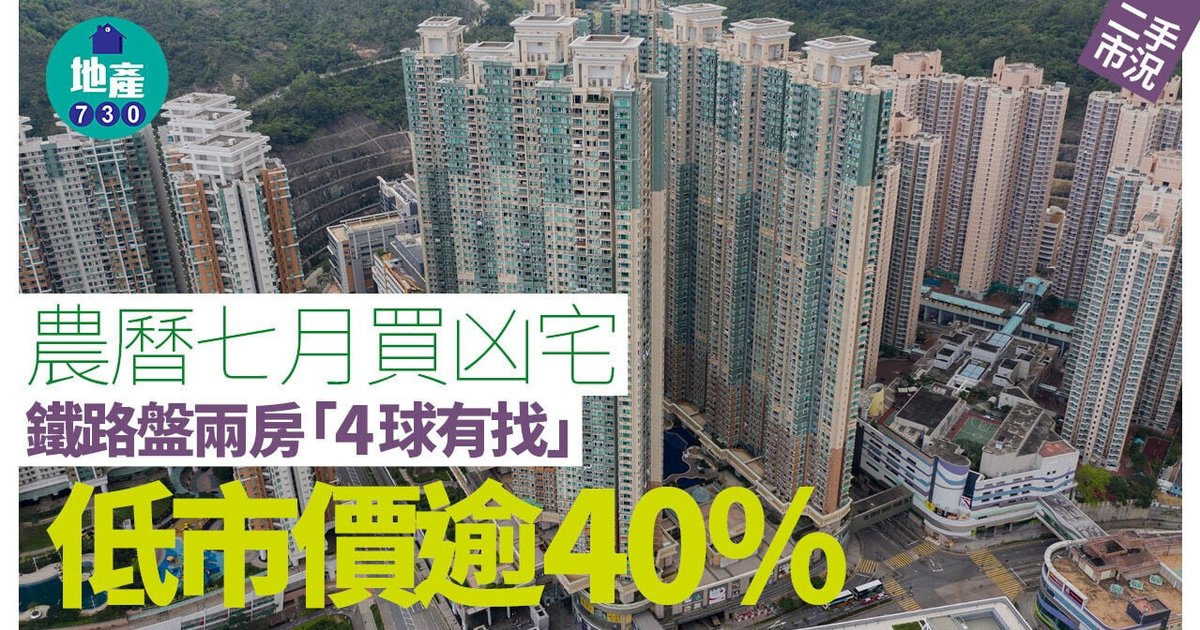
A young female first-time buyer has purchased a stigmatized property at Metropolitan Resort (都會駅) in Tseung Kwan O during the traditionally superstitious Ghost Month (農曆七月), locally known as "鬼月." The two-bedroom unit with a private platform sold for HK$3.95 million, representing a discount of approximately 42.9% to 44.6% compared to recent market transactions for non-stigmatized units in the same estate. The previous owner bought the property for HK$4.6 million in 2012 and sold it at a loss after holding it for about 14 years.
Key Points
- The unit is located at Metropolitan Resort Phase 1, Tiu Keng Leng, with a gross sale price of HK$3.95 million, reflecting a per-square-foot price of approximately HK$8,797 .
- Comparable two-bedroom units without incident history in the same estate recently traded between HK$7.5 million and HK$7.56 million, with price-per-square-foot ranging from HK$15,400 to HK$15,882, meaning this stigmatized unit sold approximately 42.9% to 44.6% below market rates .
- The original owner purchased the property for HK$4.6 million in 2012 and held it for approximately 14 years before selling, resulting in a paper loss of HK$650,000 or about 14% depreciation .
- The same floor experienced two separate suicide incidents: one in 2018 when a woman fell from height onto the unit's platform, and another in 2020, making it a double-stigmatized location within the estate .
- Major Hong Kong banks have marked the unit and other units on the same floor as "not applicable" on their online valuation platforms, suggesting significant difficulties in securing mortgages or that the collateral value falls substantially short of the transaction price, potentially requiring full cash payment .
Why It Matters
This transaction highlights the persistent price gap between stigmatized and regular properties in Hong Kong's tight housing market, where even a 40% discount may not fully compensate buyers for psychological and resale challenges associated with incident-affected units . The case also underscores the practical financing obstacles facing purchasers of such properties, as traditional mortgage financing becomes difficult to obtain, potentially limiting the pool of eligible buyers to those with substantial cash resources .
This transaction highlights the persistent price gap between stigmatized and regular properties in Hong Kong's tight housing market, where even a 40% discount may not fully compensate buyers for psychological and resale challenges associated with incident-affected units . The case also underscores the practical financing obstacles facing purchasers of such properties, as traditional mortgage financing becomes difficult to obtain, potentially limiting the pool of eligible buyers to those with substantial cash resources .