Beijing presses Japan over Takaichi Taiwan remarks
SCMP · 3 SOURCESabout 2 hours ago2 MIN
Summary
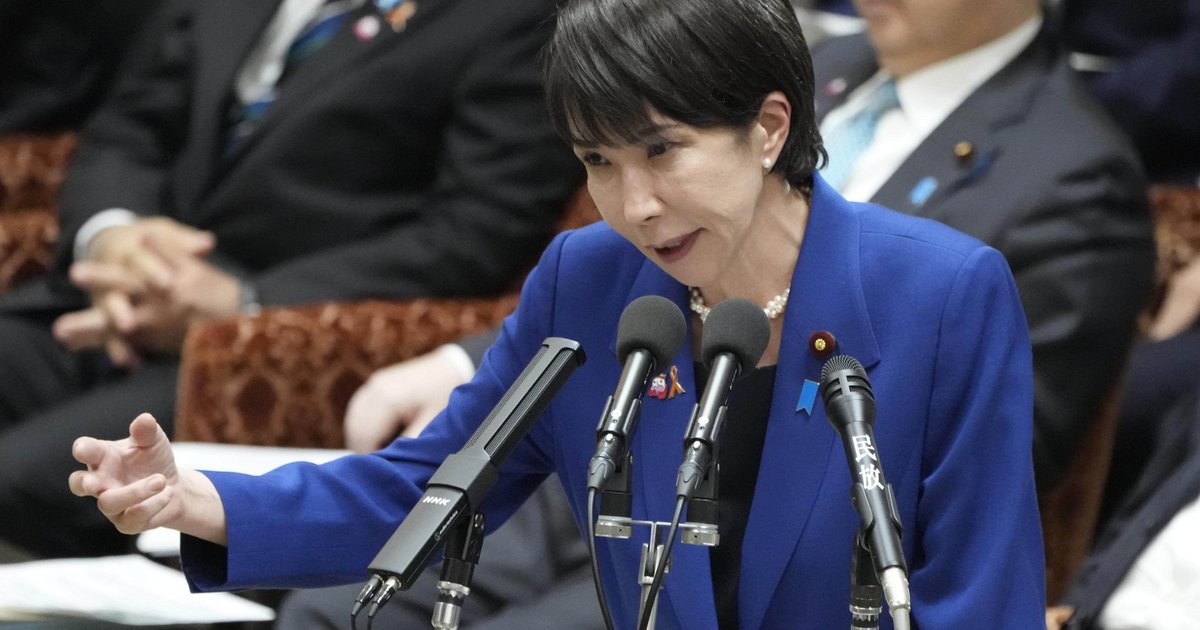
On November 6, Beijing renewed its criticism of Japan one day before the first anniversary of Prime Minister Sanae Takaichi’s remarks in parliament that a Taiwan Strait crisis could threaten Japan’s survival. Chinese foreign ministry spokesman Guo Jiakun said the current serious difficulties in China-Japan relations were entirely Japan’s responsibility and accused Tokyo of still avoiding the issue a year later. Japanese Chief Cabinet Secretary Minoru Kihara did not directly answer whether Tokyo would respond to Beijing’s demand for a retraction, saying only that the government makes judgments based on all available information and that its Taiwan policy remains grounded in the 1972 China-Japan joint statement. Takaichi has also said China is an important neighbour and that Japan will pursue dialogue to protect national interests while seeking a constructive and stable relationship.
Key Points
- November 7 marks one year since Takaichi told Japan’s lower house that a Taiwan crisis could become a “survival-threatening situation” for Japan.
- Beijing said those remarks sent a wrong signal of possible Japanese military intervention in Taiwan and shook the political foundation of bilateral ties.
- Guo Jiakun said one year later Japanese authorities were still “going round in circles”, evading the issue without sincere reflection or corrective action.
- Kihara avoided saying whether Takaichi would retract the remarks, instead stressing that Japan’s position still follows the 1972 China-Japan joint statement.
- Ahead of the Apec summit in Shenzhen later this month, Kihara said he would not speculate on a possible Takaichi-Xi Jinping meeting.
Why It Matters
The dispute shows that Taiwan remains a central fault line in China-Japan relations, with both sides still publicly defending incompatible positions a year after the original remarks. For Hong Kong readers, prolonged friction between two of East Asia’s biggest economies matters because it can weigh on regional political stability and cross-border business sentiment even when official dialogue resumes only cautiously.