US Strikes Iran IRGC Targets; Tehran Vows Retaliation After Trump Warning
AM730 · 2 SOURCESabout 2 hours ago3 MIN
Summary
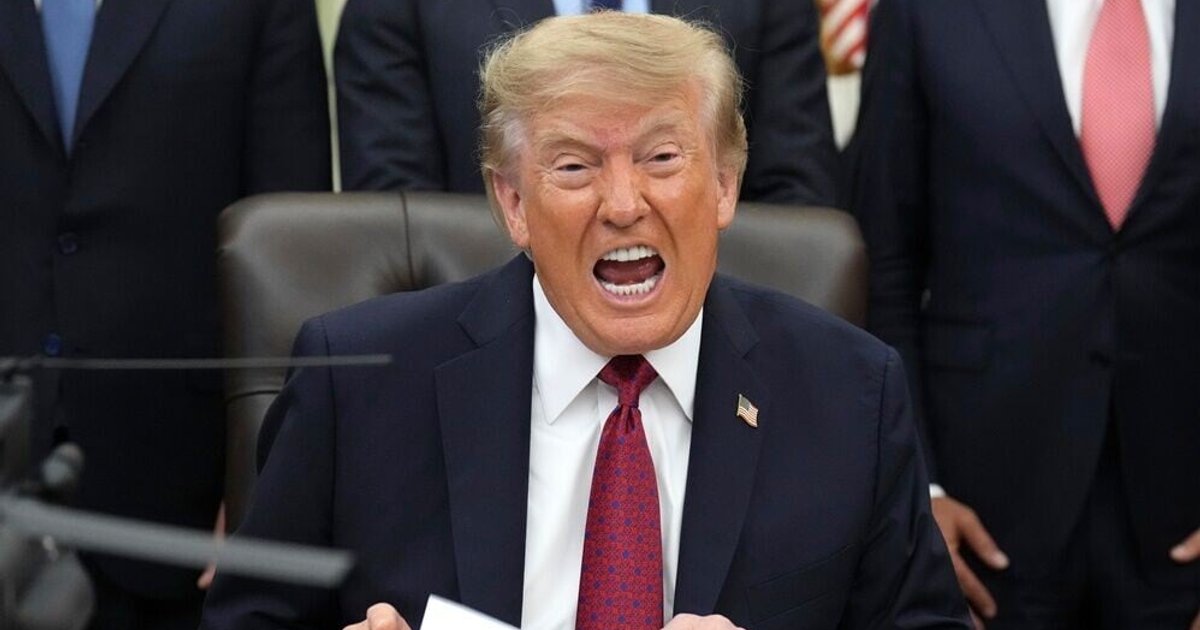
The United States conducted a new round of airstrikes against Iran's Islamic Revolutionary Guard Corps (IRGC) on Tuesday, marking the second US military operation against Iranian targets within a week after approximately one month of ceasefire. US Central Command announced the operation, codenamed to target IRGC facilities, was conducted in response to the IRGC's attempts to plant mines in the Strait of Hormuz and attacks on US military personnel stationed in the Middle East. President Trump took to social media to defend the strikes as completely justified, claiming all naval mines in the strategic waterway have been cleared by American forces and that all missiles launched at US bases were successfully intercepted. The IRGC responded by immediately announcing retaliatory measures, launching both missiles and unmanned aerial vehicles at American installations across the region, with state media reporting the downing of a US MQ-9 Reaper drone.
Key Points
- US Central Command confirmed the strike operation lasted six and a half hours, targeting IRGC air defense positions, radar systems, maritime assets, mine-laying capabilities, and communication sites
- The strikes came after Iran escalated tensions by attacking two supertankers carrying four million barrels of Saudi Arabian oil near Omani waters, with the International Maritime Organization recording at least nine attacks on vessels in the Strait of Hormuz this month alone
- President Trump described Iran as a "failed state" and warned that while the current strikes were severe, "the final strike is being prepared" which would leave Iran with "little remaining"
- Iran's Armed Forces General Staff issued a statement declaring that "no matter how determined America's terrorist army is to do evil, it must endure greater and more severe losses," with US bases becoming targets for Iranian missiles and drones
- The IRGC launched more than ten medium-range ballistic missiles, likely including Kheibar Shekan and Emad variants, with at least one striking the Jordanian city of Aqaba, while also targeting US installations in Jordan and the United Arab Emirates
Why It Matters
The escalation represents a dangerous return to open military confrontation between the United States and Iran after a brief period of relative calm, with the Strait of Hormuz — through which roughly one-fifth of the world's oil passes — becoming a potential flashpoint. Hong Kong, as a major global shipping and financial hub, faces direct exposure to disruptions in this critical maritime corridor, with oil tanker rates and insurance premiums likely to surge if the conflict continues to intensify.
The escalation represents a dangerous return to open military confrontation between the United States and Iran after a brief period of relative calm, with the Strait of Hormuz — through which roughly one-fifth of the world's oil passes — becoming a potential flashpoint. Hong Kong, as a major global shipping and financial hub, faces direct exposure to disruptions in this critical maritime corridor, with oil tanker rates and insurance premiums likely to surge if the conflict continues to intensify.