Wang Fu Court Fire Report Blames Cigarette Butt, Flammable Materials
SingTao · 2 SOURCESabout 7 hours ago3 MIN
Summary
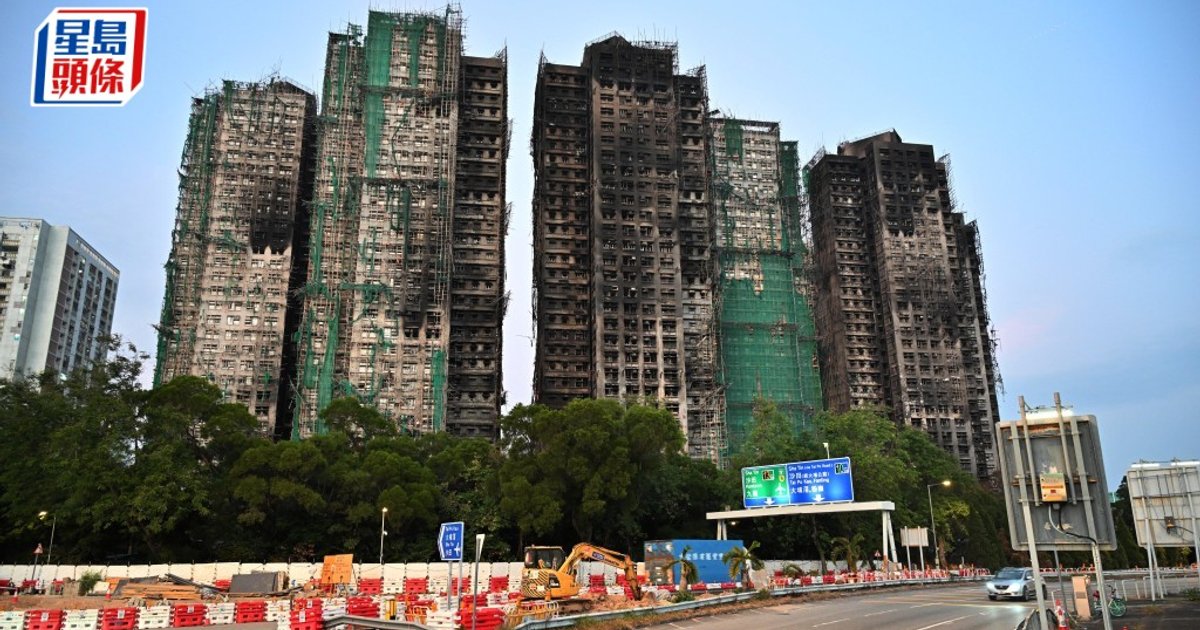
The Wang Fu Court fire independent commission published its final cross-departmental investigation report on December 6, spanning over 1,000 pages . The report identifies the fire's origin as the platform outside units 104 and 105 of Wang Cheong House, where accumulated construction debris reached two metres high and two cigarette butts were discovered . The investigation ruled out arson, electrical faults, and gas-related causes, pointing instead to accidental ignition by an unextinguished cigarette butt .
Key Points
- The fire originated on a platform outside Wang Cheong House units 104 and 105, where debris piled two metres high included safety netting, foam window covers, cardboard boxes, and tile backing paper .
- Two cigarette butts were found at the fire's starting point, and investigators found no accelerant traces or suspicious activity, with police ruling out arson .
- The Electrical and Mechanical Services Department eliminated electrical failure or liquefied petroleum gas as potential causes, and no welding work was occurring nearby .
- Rapid vertical fire spread was driven by chimney effects through building recesses, with flammable materials including bamboo scaffolding, wooden boards, canvas, and foam covers providing continuous fuel .
- Low humidity between 40-50% from 3am to 6am on the day of the fire contributed to faster fire spread .
- Fire spread mechanisms included vertical diffusion through recesses, flames entering through windows, and burning molten drips from melting scaffolding nets igniting lower levels .
- The fire alarm system failed in six of eight buildings, delaying evacuation warnings and reducing residents' response time .
- Foam window covers blocked residents' visibility of external conditions, delayed their reaction, fuelled fire spread, and produced toxic carbon monoxide gas .
- Among 81 deaths in Wang Cheong House, 24 occurred in corridors and stairwells; of 82 deaths in Wang Tai House, 38 died in these areas, with smoke inhalation confirmed as the primary cause of death .
- Expert reports indicated that flame-retardant safety netting and canvas might have allowed the initial fire to self-extinguish, preventing wider spread .
- Tests showed foam covers caused kitchen windows to fail and internal temperatures to reach 340-370°C, compared to below 100°C with intact windows when foam was absent .
- A total of 562 units suffered serious or extremely serious damage, with over 90% (518 units) located near the rapidly burning recesses .
- The commission completed 30 hearings before releasing the report, which was delayed to late October due to complex systemic issues requiring extensive document review .
Why It Matters
The report exposes critical failures in building safety management and fire prevention systems at public housing estates, particularly regarding combustible materials during renovation works and malfunctioning alarm systems . The findings are expected to drive reforms in construction site safety regulations, fire-resistant material standards, and emergency response protocols across Hong Kong's public housing sector.
The report exposes critical failures in building safety management and fire prevention systems at public housing estates, particularly regarding combustible materials during renovation works and malfunctioning alarm systems . The findings are expected to drive reforms in construction site safety regulations, fire-resistant material standards, and emergency response protocols across Hong Kong's public housing sector.