Hong Kong Defends Birth Incentives as Practical, Not Just Financial
Thestandard · 1 SOURCESabout 2 hours ago2 MIN
Summary
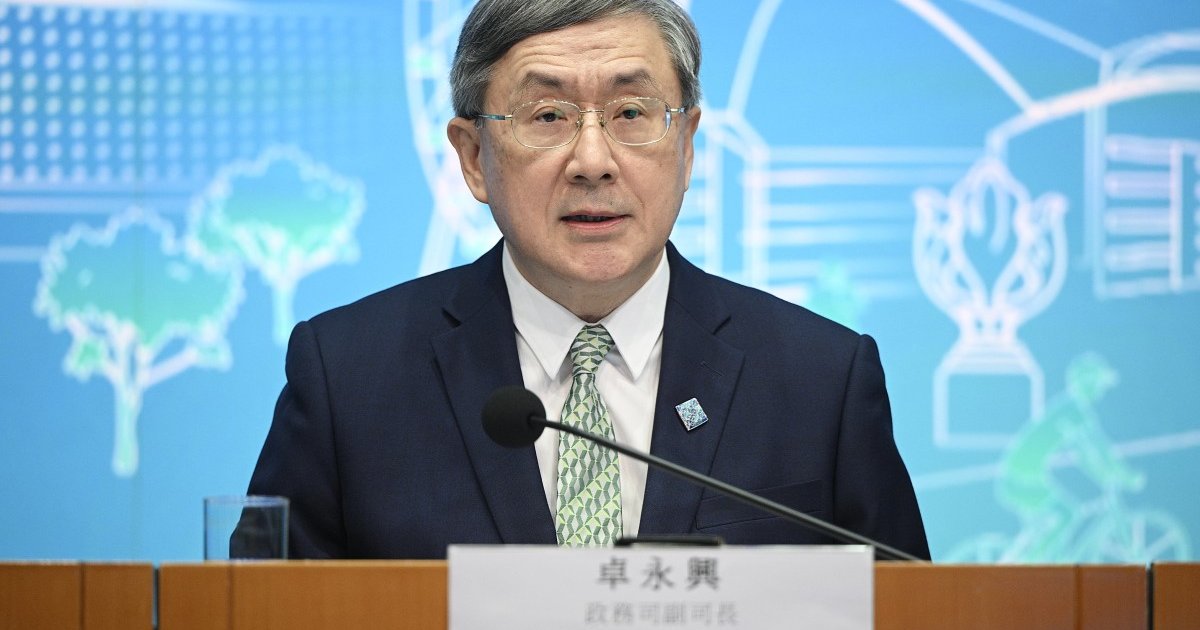
Deputy Chief Secretary Warner Cheuk Wing-hing has rejected comparisons between Hong Kong's birth incentive programme and Singapore's, arguing that measures must be tailored to local circumstances rather than judged purely by monetary amounts. The Policy Address 2026 unveiled 11 new measures to encourage childbirth, including extending the HK$20,000 newborn cash incentive for three additional years and launching a progressive reward scheme that increases the incentive to HK$30,000 for families welcoming a second or subsequent child .
Key Points
- The newborn cash incentive, first introduced three years ago, has been extended for three more years under Policy Address 2026
- A progressive reward scheme raises the incentive to HK$30,000 for second and subsequent children born to the same family
- Statistics show 57 percent of newborns in 2025 were first children while 43 percent were second children, indicating openness to larger families
- The total financial commitment for the fertility bonus amounts to approximately HK$2.2 billion over the first three years, with additional funding allocated this year
- The government plans to extend housing support through faster public housing allocation with priority and concessions for Home Ownership Scheme for families with newborns
Why It Matters
The HK$2.2 billion investment signals the government's sustained commitment to addressing Hong Kong's declining birth rate and potential demographic crisis. Cheuk's emphasis on a balanced policy approach rather than purely financial incentives suggests a comprehensive strategy that combines monetary support with housing and social infrastructure improvements to create a more supportive environment for families considering parenthood .
The HK$2.2 billion investment signals the government's sustained commitment to addressing Hong Kong's declining birth rate and potential demographic crisis. Cheuk's emphasis on a balanced policy approach rather than purely financial incentives suggests a comprehensive strategy that combines monetary support with housing and social infrastructure improvements to create a more supportive environment for families considering parenthood .