Housing Chief Reports Over 74,300 Subdivided Unit Registrations Under Simple Housing Scheme
Bastillepost · 2 SOURCES1 day ago3 MIN
Summary
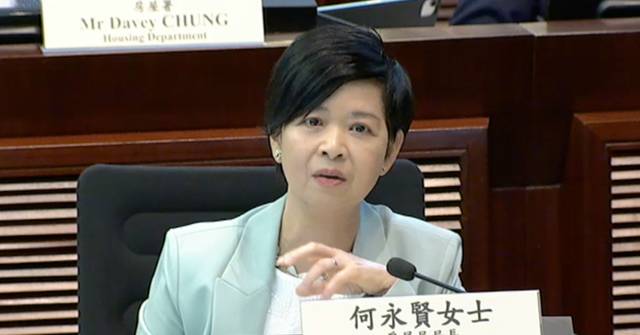
Housing Authority chief Michael Ho Yung-hin announced that more than 74,300 subdivided unit registration applications have been received since the simple housing scheme launched over half a year ago, describing the response as encouraging. The government revealed plans to build approximately 196,000 public housing units across a five-year period from 2026-27 to 2030-31, representing an over 80 percent increase compared to the previous five-year term. With only 1,070 more units needed to complete the 30,000 simple public housing target by March 2027, authorities expect the combined public housing waiting time to drop to 4.5 years by 2026-27 and below four years by 2030-31.
Key Points
- The Housing Bureau has received over 74,300 subdivided unit registration applications under the simple housing scheme over approximately six months, with officials describing the response as encouraging .
- Six regional service teams under the Housing Bureau will continue providing comprehensive support to tenants in need, including assistance with applications for traditional public housing and simple public housing units .
- From 2026-27 to 2030-31, Hong Kong's total public housing production including simple public housing will reach approximately 196,000 units, an over 80 percent increase compared to the current-term government's first five-year period .
- Of the planned public housing units, 70,000 will come from the Northern Metropolis development, supporting the government's major infrastructure initiative .
- As of October 9, only 1,070 more units need to be completed to achieve the target of 30,000 simple public housing units by March 2027, with construction progressing on schedule .
- The combined public housing waiting time is projected to decrease to 4.5 years in 2026-27 and further decline to under four years by 2030-31 as housing supply increases .
- Hong Kong's first five-year plan explicitly aims to fundamentally resolve the issue of substandard subdivided units in residential areas by 2030 .
Why It Matters
The strong registration response validates the government's approach to gradually phasing out substandard subdivided units while simultaneously expanding public housing supply. With waiting times expected to fall below the psychologically significant four-year mark by the end of the decade, the housing policy could substantially improve quality of life for tens of thousands of families currently enduring cramped living conditions and long queues for traditional public housing .
The strong registration response validates the government's approach to gradually phasing out substandard subdivided units while simultaneously expanding public housing supply. With waiting times expected to fall below the psychologically significant four-year mark by the end of the decade, the housing policy could substantially improve quality of life for tens of thousands of families currently enduring cramped living conditions and long queues for traditional public housing .