AI Boom Lifts South Korean Chip Giants to Record Profits; Bonuses Hit 15x Average Salary
Bastillepost · 1 SOURCESabout 3 hours ago2 MIN
Summary
The artificial intelligence revolution is propelling South Korea's two semiconductor powerhouses—Samsung Electronics and SK Hynix—to unprecedented profit levels, with HBM orders flooding in from major U.S. tech companies. The resulting bonanza has pushed SK Hynix bonuses to approximately $500,000 per eligible engineer, about 15 times the salary of an average South Korean office worker. This wealth surge is rapidly flowing from equity markets into real estate, pushing Seoul's housing costs to the third-highest level globally and deepening social inequality.
Key Points
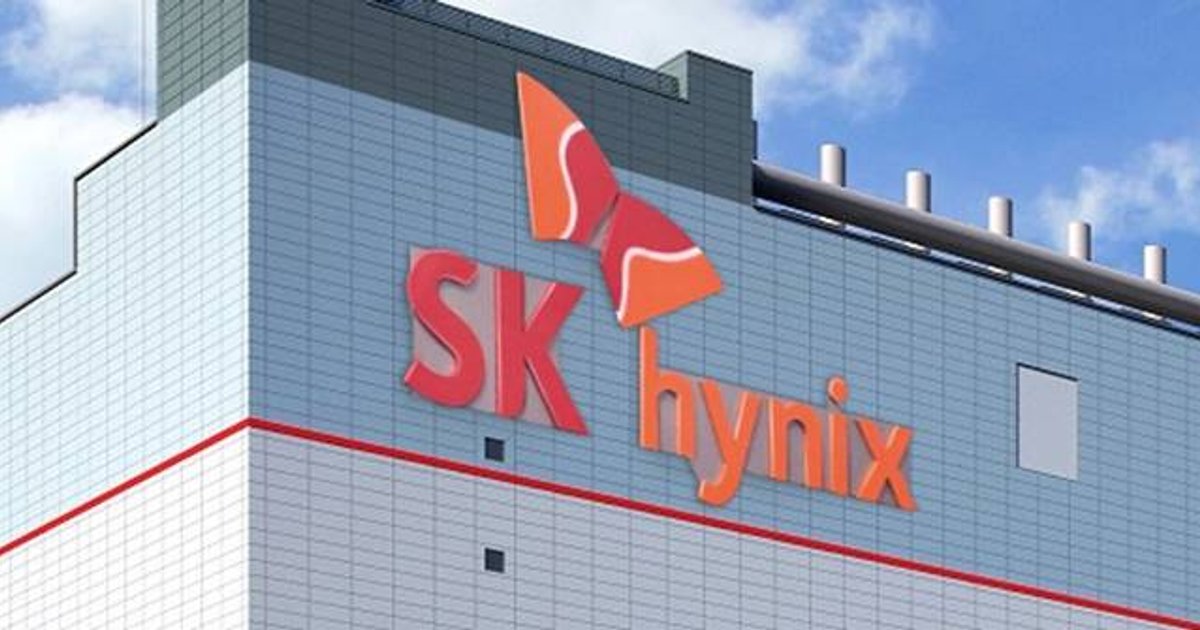
- SK Hynix dominates the HBM market with roughly 60% global market share, while Samsung Electronics and Micron Technology each hold approximately 20%
- SK Hynix pledged to distribute 10% of operating profit as bonuses, translating to about 700 million won ($500,000) per engineer—15 times the average Korean worker's annual income
- South Korean households keep 75% of their assets in real estate versus just 24% in financial instruments, with April 2024 seeing 13.2% of luxury home buyers cashing out stocks and bonds for purchases
- Deutsche Bank data shows Seoul ranks as the world's third-most expensive city for homebuyers, behind only Hong Kong and Zurich
- Former Bank of Korea Governor has warned of deepening "K-shaped economy" polarization between tech and non-tech sectors
Why It Matters
The explosive wealth concentrated in South Korea's chip sector underscores a growing global divide between technology haves and have-nots. Nomura Securities senior economist Park Jung-woo cautions that over-reliance on a single industry poses significant risks—should AI demand cool before the economy diversifies, the cascading effects on growth, inflation, and household wealth could be severe . While the AI boom is projected to sustain through 2028, the widening wealth gap and housing affordability crisis demand policy attention.
The explosive wealth concentrated in South Korea's chip sector underscores a growing global divide between technology haves and have-nots. Nomura Securities senior economist Park Jung-woo cautions that over-reliance on a single industry poses significant risks—should AI demand cool before the economy diversifies, the cascading effects on growth, inflation, and household wealth could be severe . While the AI boom is projected to sustain through 2028, the widening wealth gap and housing affordability crisis demand policy attention.