Typhoon Saudel Flooding Devastates Zhejiang Shoe Factory Hub, Thousands of Shoes Wash Away
Thestandard · 3 SOURCESabout 2 hours ago2 MIN
Summary
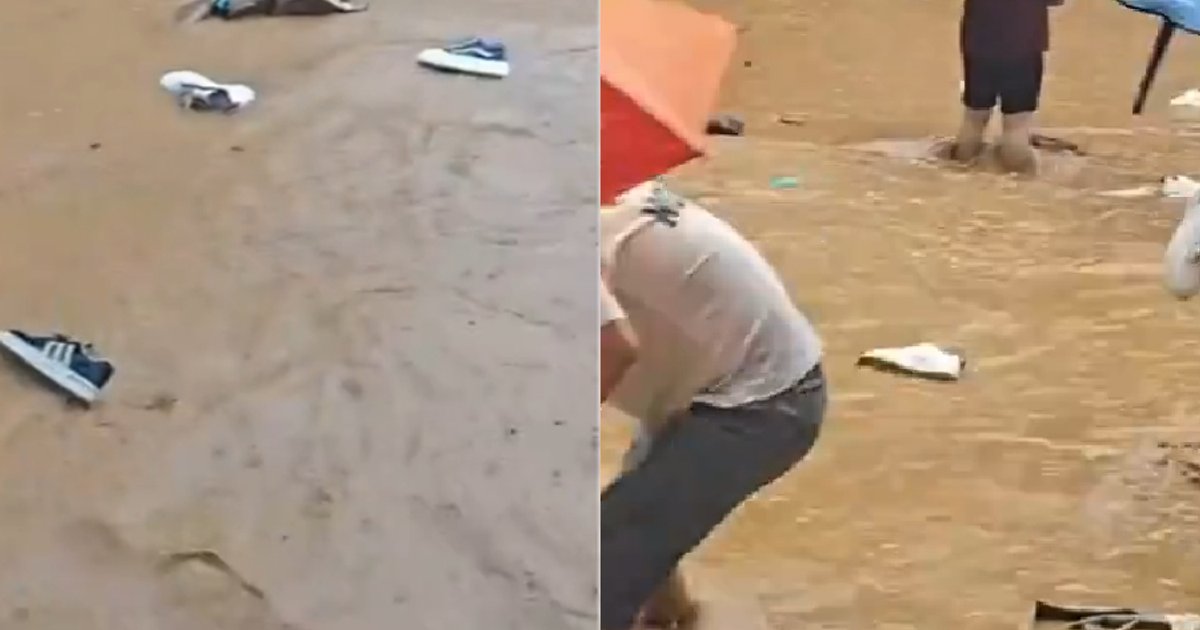
Typhoon Saudel's outer circulation triggered extreme rainfall across southern coastal Zhejiang province, submerging streets and factories in Ruian's Xianjiangzhen, one of China's prominent footwear manufacturing centers. The flooding devastated multiple small and medium-sized shoe factories, sweeping thousands of finished products into flooded streets where residents scrambled to collect them.
Key Points
- The flooding struck between September 1 and 2, submerging multiple thoroughfares with waters reaching 50 centimeters deep
- A local factory owner confirmed that over 8,000 pairs of shoes were either damaged or swept away, with estimated losses exceeding 100,000 yuan
- Shoes originally retailing for approximately 20 yuan per pair saw their salvage value plummet to just a few yuan each due to severe water and mud damage
- Residents wading through floodwaters to collect floating shoes triggered heated online debate, with legal experts warning that unreturned items could constitute theft or unjust enrichment
- A factory operator identified as Mr. Jin suffered approximately 2,000-3,000 shoes soaked, while a nearby foreign trade factory reported losses up to 300,000 yuan
- Over 2,500 teachers and students remained trapped on a campus surrounded by floodwaters, with authorities deploying drones to deliver water and food supplies
Why It Matters
The incident exposes the vulnerability of small-scale manufacturing clusters to extreme weather events amplified by climate change. Beyond immediate economic losses, the legal ambiguity surrounding flood-scavenged property highlights how natural disasters create complex questions about property rights and public behavior that Hong Kong's own climate resilience planning should anticipate.
The incident exposes the vulnerability of small-scale manufacturing clusters to extreme weather events amplified by climate change. Beyond immediate economic losses, the legal ambiguity surrounding flood-scavenged property highlights how natural disasters create complex questions about property rights and public behavior that Hong Kong's own climate resilience planning should anticipate.