Iran Claims Two Supertankers Hit Mines, Exploded in Strait of Hormuz
SingTao · 2 SOURCESabout 2 hours ago2 MIN
Summary
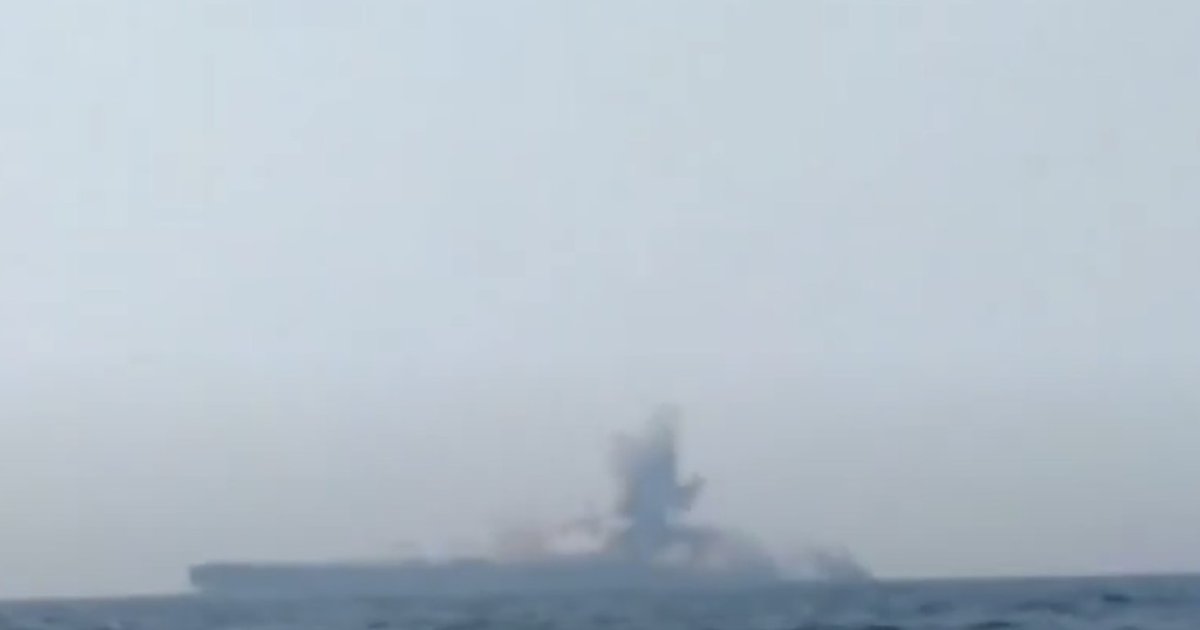
The Iranian Islamic Revolutionary Guard Corps (IRGC) Navy confirmed on Saturday that two supertankers struck mines and erupted in flames while attempting to traverse the Strait of Hormuz, one of the world's most critical oil shipping lanes. The first vessel, loaded with more than 2 million barrels of crude oil, triggered an explosion and massive fire after hitting a mine, according to the IRGC's initial statement. A second supertanker, also carrying over 2 million barrels of crude, suffered a similar fate hours later, the IRGC said in a follow-up announcement. Tehran has maintained the strait is effectively closed since its declaration, demanding all ships secure permission before passage. The IRGC accused both tankers of attempting the crossing with American military backing while deliberately shutting down all navigation and radar systems to avoid detection .
Key Points
- The IRGC Navy issued two separate statements on Saturday confirming both supertankers violated Iranian transit regulations and hit mines in the strategic waterway .
- Each supertanker was carrying approximately 2 million barrels of crude oil when it struck a mine, resulting in explosions and large fires .
- The IRGC stated both vessels were operating with U.S. military support and had deactivated all navigation and tracking equipment before entering the strait .
- Iran has required all vessels to obtain permission since announcing the closure of the Strait of Hormuz, a chokepoint through which roughly one-fifth of global oil flows .
- The identities of both tankers, including their names, flag states, cargo origins, and any crew casualties, remain undisclosed as of Saturday evening .
Why It Matters
The Strait of Hormuz handles approximately 20 percent of the world's oil shipments, making any incident involving tankers in this waterway a matter of significant global economic concern. If confirmed, the attacks would represent a major escalation in maritime tensions and could disrupt energy supplies across Asian markets, including major importers like China, Japan, and South Korea. Hong Kong, as a major financial hub with dependencies on global trade and energy markets, could face indirect consequences including potential volatility in shipping insurance rates and oil prices that would filter through to consumer costs .
The Strait of Hormuz handles approximately 20 percent of the world's oil shipments, making any incident involving tankers in this waterway a matter of significant global economic concern. If confirmed, the attacks would represent a major escalation in maritime tensions and could disrupt energy supplies across Asian markets, including major importers like China, Japan, and South Korea. Hong Kong, as a major financial hub with dependencies on global trade and energy markets, could face indirect consequences including potential volatility in shipping insurance rates and oil prices that would filter through to consumer costs .