Nine Women Found Dead in Johannesburg Spark Gender Violence Protests
SingTao · 2 SOURCESabout 5 hours ago2 MIN
Summary
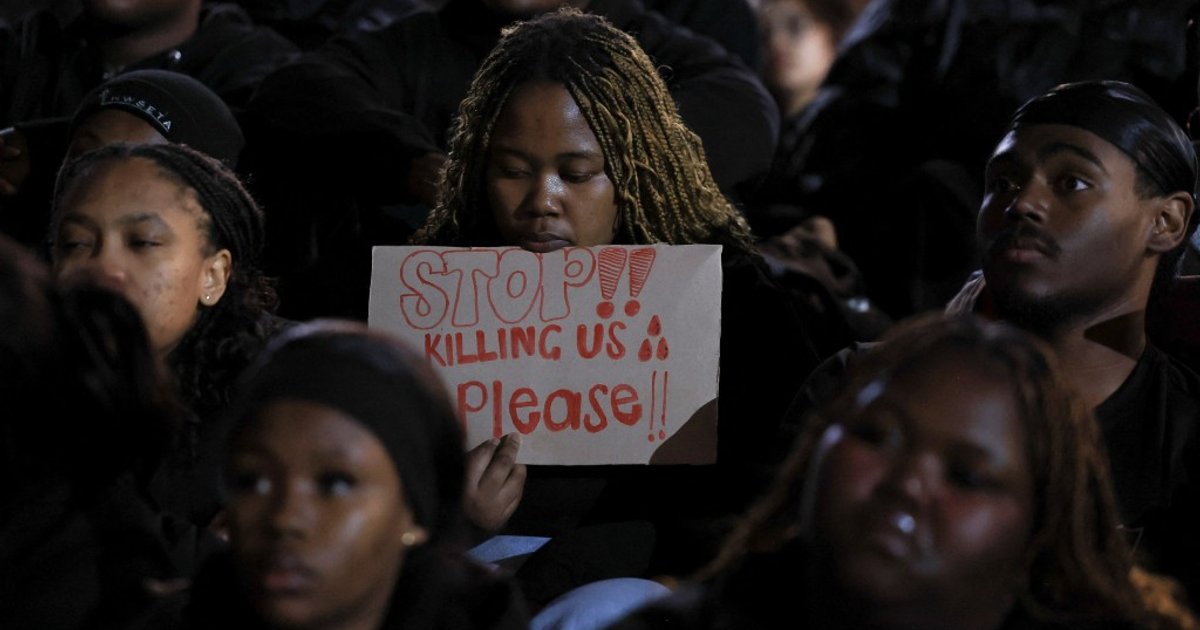
Nine women's bodies have been discovered in Ekurhuleni, in the eastern part of Johannesburg, over the past two months, sparking widespread protests against gender-based violence in South Africa . A memorial run was held Saturday to honour one victim, 38-year-old Elizabeth Tsontso Moselakgomo, who disappeared while jogging . Police are investigating whether the cases are connected, with authorities offering a 400,000 rand reward for information . President Cyril Ramaphosa has vowed a full investigation into the killings .
Key Points
- All nine bodies were found in Ekurhuleni municipality in Gauteng province, with most victims aged between their 20s and 30s .
- The latest body was discovered on September 17 near Kempton Park, belonging to an unidentified woman in her 30s with neck and stab wounds .
- Elizabeth Tsontso Moselakgomo, 38, went missing while jogging and was found dead days later, prompting Saturday's memorial run .
- Participants in the memorial carried candles and banners reading "Enough. Stop Femicide" while calling for government action .
- Police have launched a high-level investigation, though they cannot yet confirm whether one perpetrator or multiple perpetrators committed the crimes .
Why It Matters
The discovery of nine bodies in such a short timeframe has reignited long-standing concerns about women's safety in South Africa, which declared gender-based violence a national disaster in 2025 . Women's rights groups argue that even increased police presence and government promises have failed to make women feel secure, highlighting the gap between policy commitments and lived reality . The case also exposes systemic issues in South African policing, where corruption and resource shortages have resulted in only about one in ten murder cases being solved .
The discovery of nine bodies in such a short timeframe has reignited long-standing concerns about women's safety in South Africa, which declared gender-based violence a national disaster in 2025 . Women's rights groups argue that even increased police presence and government promises have failed to make women feel secure, highlighting the gap between policy commitments and lived reality . The case also exposes systemic issues in South African policing, where corruption and resource shortages have resulted in only about one in ten murder cases being solved .