HKU Shanghai Zhangjiang Campus Opens, Two-City Model Set to Boost Student Employment
SingTao · 1 SOURCES1 day ago4 MIN
Summary
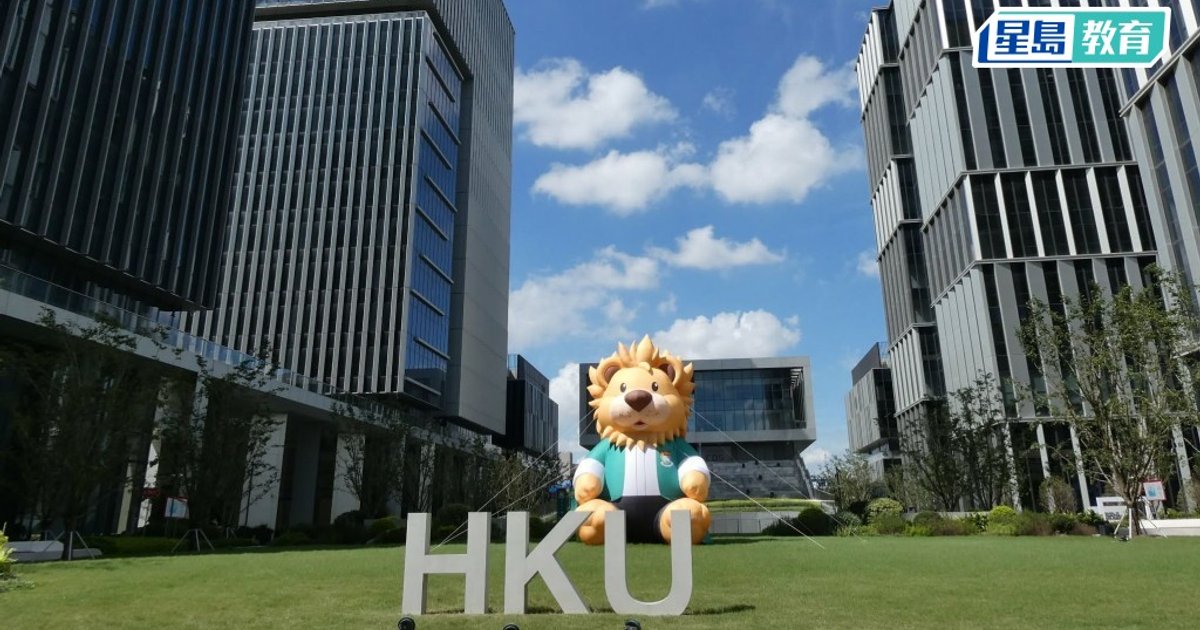
The University of Hong Kong officially opened Phase 2 of its Shanghai Zhangjiang base on September 2, 2026, marking a significant expansion of its cross-border educational initiatives. Students from the School of Computing and Data Science will now have the opportunity to study at the Zhangjiang Hi-Tech Park facilities, with internship prospects at top-tier technology enterprises. Dean Ma Yi (馬毅) of the School of Computing and Data Science expressed confidence that the new "one school, two cities" model will benefit both student learning and future employment prospects. The university plans to expand further by housing its Faculty of Engineering and Faculty of Medicine at Phase 3 of the Zhangjiang campus next year.
Key Points
- HKU Shanghai Zhangjiang base Phase 2, Buildings 3 and 5, officially opened for student use
- Over 1,000 students have visited the Zhangjiang base since January 2026, with more than 300 currently enrolled this semester
- Delta+ undergraduates study 2.5 years in Hong Kong then 1.5 years in Shanghai with internship opportunities at leading tech firms
- Delta X master's students spend one full semester studying at the Shanghai campus
- Dean Ma Yi announced plans for the Faculty of Engineering and Faculty of Medicine to relocate to Phase 3 buildings next year
Why It Matters
This cross-border educational model positions Hong Kong students to access Shanghai's robust technology industry ecosystem spanning the Yangtze River Delta and beyond . The initiative reflects deepening academic cooperation between Hong Kong and mainland China in science and technology talent development, potentially reshaping how universities prepare graduates for careers in the Greater Bay Area's innovation-driven economy .
This cross-border educational model positions Hong Kong students to access Shanghai's robust technology industry ecosystem spanning the Yangtze River Delta and beyond . The initiative reflects deepening academic cooperation between Hong Kong and mainland China in science and technology talent development, potentially reshaping how universities prepare graduates for careers in the Greater Bay Area's innovation-driven economy .