Mainland woman jailed over fake HKUST master’s application
AM730 · 3 SOURCES1 day ago6 MIN
Summary
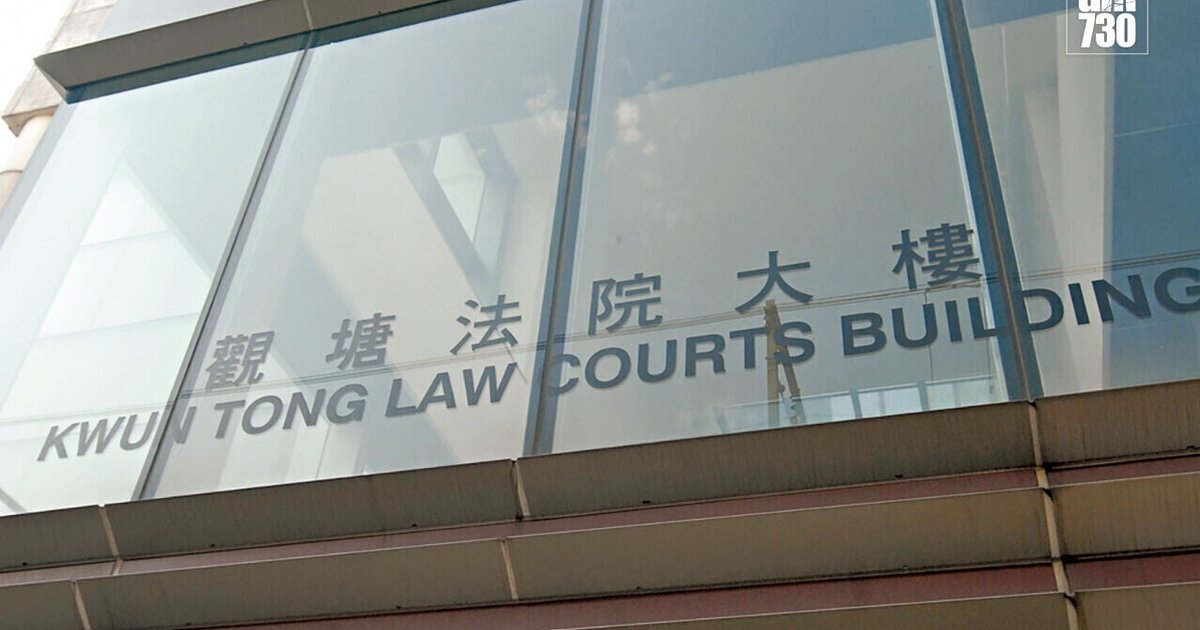
A 33-year-old mainland Chinese businesswoman, Wang Yuyang (王宇陽), was sentenced to two months’ imprisonment at Kwun Tong Magistrates’ Courts on September 16 after pleading guilty to obtaining services by deception over her application to the Hong Kong University of Science and Technology (HKUST). The court heard that she applied through an intermediary for HKUST’s Master of Science in Global China Studies, claiming to hold a bachelor’s degree from the University of Texas at Austin, even though she had never studied there. Acting Principal Magistrate Lee Chi-ho said the conduct was selfish, harmed the university’s international standing and reputation, and dealt a blow to the system, making a custodial sentence unavoidable. HKUST later revoked the master’s degree awarded to her after discovering the academic documents used in the application were false.
Key Points
- HKUST received an online application in Wang’s name on October 15, 2021, and admitted her on November 17, 2021, believing the submitted degree documents were genuine.
- The application said she held a Bachelor of Arts from the University of Texas at Austin and included a degree certificate and transcript, but the university later confirmed she had never enrolled there.
- Wang studied from February to December 2022, completed the programme, and was awarded a master’s degree on January 30, 2023, before the false credentials were uncovered.
- Under caution after being stopped at Hong Kong International Airport on November 9 last year, she admitted paying an intermediary RMB500,000 to apply for the programme and an entry permit.
- A second charge of arranging a false statement for the purpose of obtaining an entry permit was withdrawn earlier, leaving the deception count to which she pleaded guilty.
Why It Matters
The case underlines the legal and reputational risks for Hong Kong universities when admissions are secured with forged qualifications, especially in programmes that attract cross-border applicants. It also shows that completing a course and receiving a degree does not shield a student from prosecution or from having academic awards revoked if the original application was dishonest.