Citi Reports 44% Revenue Surge in China-US Corridor as Firms Hedge Trade Risks
SCMP · 1 SOURCESabout 1 hour ago2 MIN
Summary
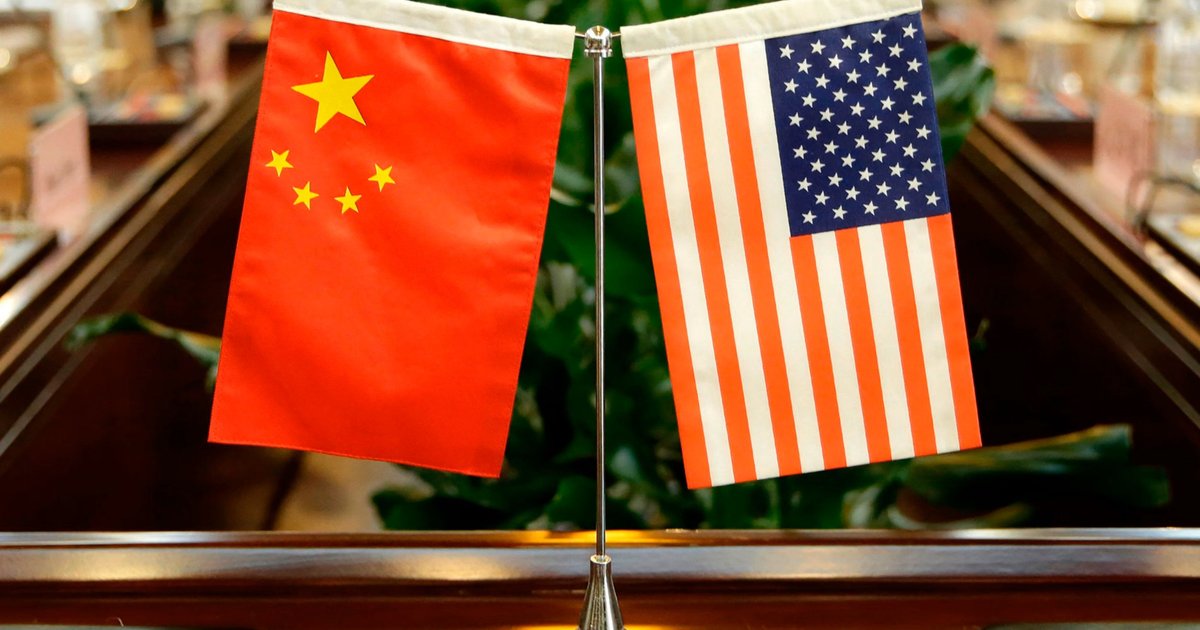
Citigroup's China-US business corridor has experienced robust growth despite escalating trade friction between Washington and Beijing, with the bank recording a 44 percent year-on-year revenue surge in the first half of the year. At a media briefing in Hong Kong, Citi's China Chief Executive Officer Zhang Wenjie stated that geopolitical headwinds have actually boosted demand for cross-border financial services, as mainland Chinese firms increasingly turn to international institutions to navigate financial friction and complex supply chains. Chinese corporate expansion has entered what Citi describes as a "Going Global 3.0" phase, moving beyond low-cost manufactured exports to deploying entire high-tech supply chain ecosystems abroad, with focus areas including green energy, electric vehicles, consumer electronics and artificial intelligence infrastructure.
Key Points
- Citi's China CEO Zhang Wenjie confirmed a 44 percent year-on-year revenue surge in the China-US corridor during the first half of 2024
- Mainland Chinese firms are leveraging foreign exchange hedging, trade exposure management and capital flow reconfiguration through international banks
- Chinese enterprises are now exporting advanced technology, localised supply chains and high-value innovations rather than competing solely on cost
- Companies are adopting a "dual-hub strategy," maintaining domestic headquarters while establishing international operational centres
- The "Going Global 3.0" phase prioritises green energy, electric vehicles, consumer electronics and AI infrastructure development
Why It Matters
The resilience of China-US commercial ties despite geopolitical turbulence suggests Hong Kong's role as a premier financial intermediary remains secure, potentially benefiting local banking and professional services sectors as mainland companies continue their global expansion strategies.
The resilience of China-US commercial ties despite geopolitical turbulence suggests Hong Kong's role as a premier financial intermediary remains secure, potentially benefiting local banking and professional services sectors as mainland companies continue their global expansion strategies.