Over 300 Italian Schools Evacuated After Coordinated Bomb Threat Emails
Thestandard · 4 SOURCESabout 3 hours ago2 MIN
Summary
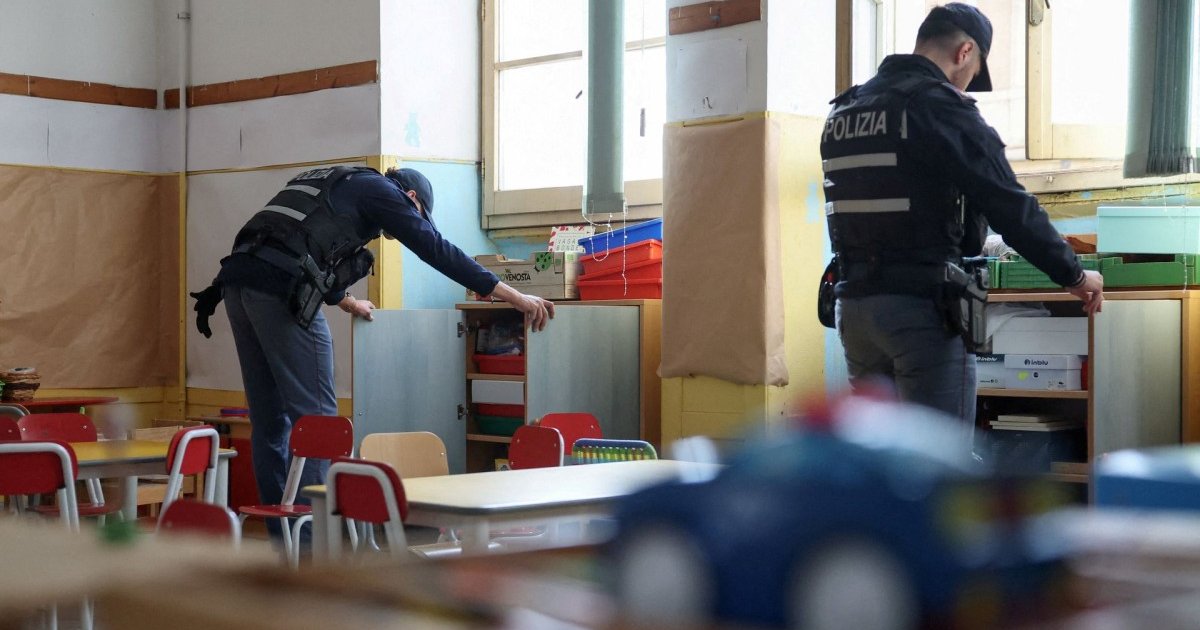
At least 300 schools across Italy were evacuated on Wednesday after receiving identical bomb threat emails, with Education Minister Giuseppe Valditara confirming the alerts were presumed hoaxes . The threatening message, signed by an entity calling itself "Mikhail Andropov, leader of the Vilayat of Misoginistan," also targeted schools in Scotland, Northern Ireland, and the Republic of Ireland . Police and Carabinieri forces conducted security sweeps while Prime Minister Giorgia Meloni convened an emergency cabinet meeting to assess the situation .
Key Points
- The bomb threat emails were sent to schools in major Italian cities including Rome, Milan, Florence, Turin, Naples, Bari, Cagliari, and Palermo .
- According to Reuters, a national security source stated that school email addresses are publicly available, making such attacks easy to execute .
- In Rome alone, 12 schools in the province—including primary schools and nurseries—received the threatening email, as did 12 schools in Milan and the surrounding Lombardy region, and 12 in Naples and Campania .
- The same purported author previously claimed responsibility for email bomb threats sent on Friday to newsrooms in Ireland and Bulgaria .
- European officials suspect either Russia or Iran may be behind a campaign of disruption targeting nations that support Ukraine following Moscow's invasion, though both countries deny involvement .
Why It Matters
The coordinated nature of these threats across multiple European nations highlights a broader pattern of hybrid warfare targeting critical infrastructure and public institutions . The ease with which attackers exploited publicly available school email addresses underscores the vulnerability of educational institutions to cyber-enabled disruption, forcing authorities to balance security precautions against the significant social and economic costs of mass evacuations .
The coordinated nature of these threats across multiple European nations highlights a broader pattern of hybrid warfare targeting critical infrastructure and public institutions . The ease with which attackers exploited publicly available school email addresses underscores the vulnerability of educational institutions to cyber-enabled disruption, forcing authorities to balance security precautions against the significant social and economic costs of mass evacuations .