Scholar’s Shenzhen Praise Raises Hong Kong Questions
HK01 · 1 SOURCESabout 4 hours ago2 MIN
Summary
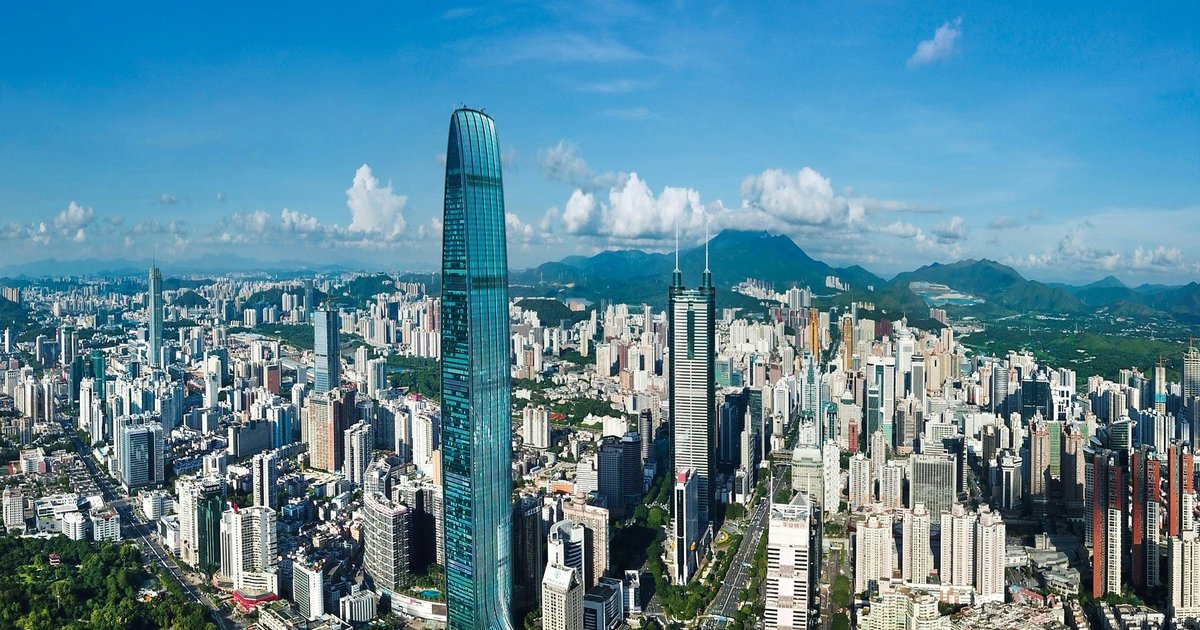
A column by lawyer Li Wing-cheung says comments by Spanish political analyst, economist, writer and YouTuber Dr. Santiago Javier Armesilla Conde during the 2026 APEC leaders’ informal meeting in Shenzhen have spread online because they capture the shock of seeing the city firsthand. The article argues that Shenzhen’s strength is less about isolated breakthroughs than about a full urban and industrial system that can quickly convert technology into daily use
Key Points
- During the 2026 APEC leaders’ informal meeting in Shenzhen, Dr. Santiago Javier Armesilla Conde visited the city and later wrote online that he wished Spain had a Shenzhen
- The column says the remark gained traction because direct experience of Shenzhen’s transport, infrastructure and digital services can challenge views formed mainly through media narratives
- It cites drone beverage delivery in parks as an example of the “low-altitude economy”, supported by manufacturing, communications, airspace management, payments, logistics and regulation
- According to the article, Shenzhen’s edge lies in a tightly integrated ecosystem linking design, components, prototyping, market testing and commercial rollout in short cycles
- The piece also says Shenzhen still faces high housing costs, rising life pressure and a digital divide that can leave some elderly people struggling with tech-heavy services
Why It Matters
For Hong Kong readers, the column turns admiration for Shenzhen into a comparison about whether a neighbouring global city can match that speed of innovation-to-application while keeping daily life inclusive. It also suggests that debates about competitiveness cannot focus only on headline technologies if housing pressure and access for older residents remain unresolved