Veteran Investor Fang Fenglei Explains Why China 'Investibility' Debate Misses the Point
SCMP · 1 SOURCESabout 2 hours ago2 MIN
Summary
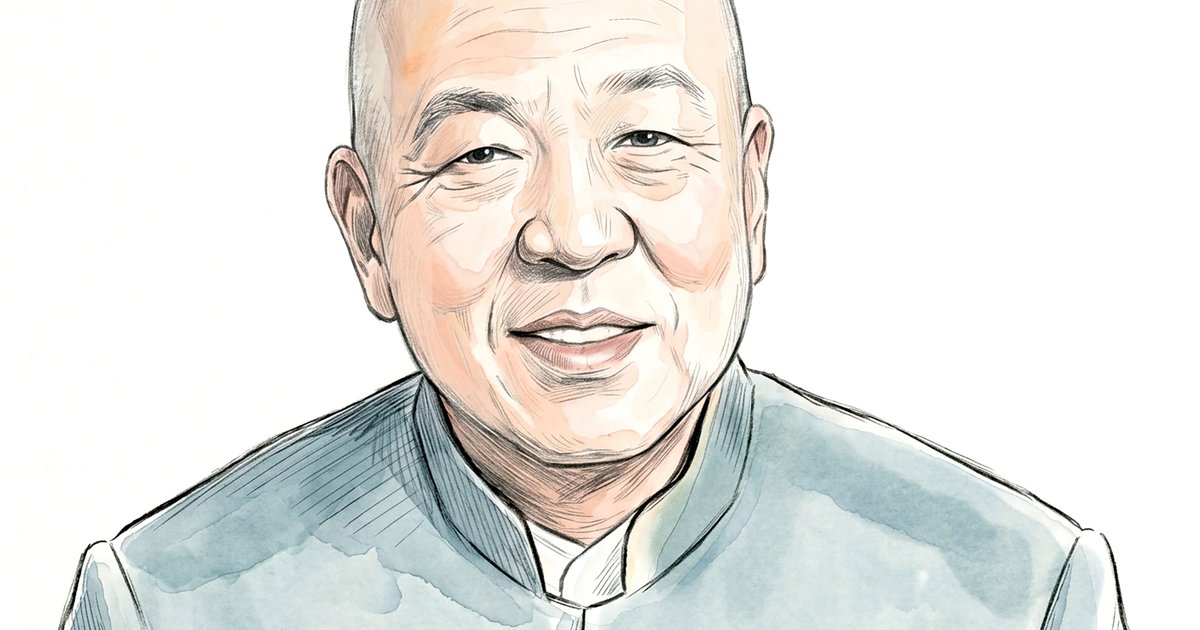
Veteran investor Fang Fenglei, who played a pivotal role in establishing China's first joint venture investment bank in the early 1990s, has dismissed ongoing debates about China's investibility as fundamentally misguided. In an exclusive interview with SCMP Plus, Fang emphasized that foreign investors hold widely divergent views based on their sectors, risk appetites, and political considerations . He argued that multinational companies can secure stable operations in China through equity-related and governance-oriented partnerships with Chinese firms . The investor, who now chairs Hopu Investments, characterized foreign capital as serving dual roles—"distant water" representing long-term commitment and "living water" symbolizing its ability to energize market dynamism .
Key Points
- Fang Fenglei, now chairman of Hopu Investments, previously worked with Morgan Stanley in the early 1990s to create China International Capital Corp, the country's first joint venture investment bank
- At the start of the millennium, Fang led the listing of state-owned giants in Hong Kong as CEO of Bank of China International, later chairing a China joint venture with Goldman Sachs
- Fang cited Starbucks' joint venture with Boyu Capital, where Boyu holds 60 percent while Starbucks retains 40 percent and keeps its intellectual property rights, as an example of successful partnership structures
- For McDonald's China, a Citic-led consortium holds 52 percent while McDonald's owns 48 percent, demonstrating another equity arrangement model
- Fang noted that skeptics often point to falling birth rates and weak domestic demand, but argued these are global issues intertwined with trade protectionism and regional conflicts
Why It Matters
Fang's perspective carries weight given his three decades of experience shaping China's capital markets and his direct involvement in landmark listings on the Hong Kong Stock Exchange. His framework positioning foreign capital as both long-term and market-stimulating offers a nuanced counter-narrative to Western investment concerns, potentially influencing how multinational corporations structure their China strategies amid ongoing geopolitical tensions .
Fang's perspective carries weight given his three decades of experience shaping China's capital markets and his direct involvement in landmark listings on the Hong Kong Stock Exchange. His framework positioning foreign capital as both long-term and market-stimulating offers a nuanced counter-narrative to Western investment concerns, potentially influencing how multinational corporations structure their China strategies amid ongoing geopolitical tensions .