Martha Stewart Faces Backlash Over Homeless Halloween Costume Promoting Candles
Bastillepost · 2 SOURCESabout 6 hours ago2 MIN
Summary
American "Queen of Home" Martha Stewart, 85, has become the center of a major social media controversy after posting Halloween costume photos that depicted a hungry homeless person. The photos were part of a promotional campaign for her candle products sold on the American shopping channel QVC. Stewart, whose estimated net worth stands at $400 million USD (approximately HK$31.2 billion), faced immediate backlash for what many considered a tone-deaf portrayal of homelessness. Following initial defense of her costume, Stewart eventually issued a public apology acknowledging her mistake.
Key Points
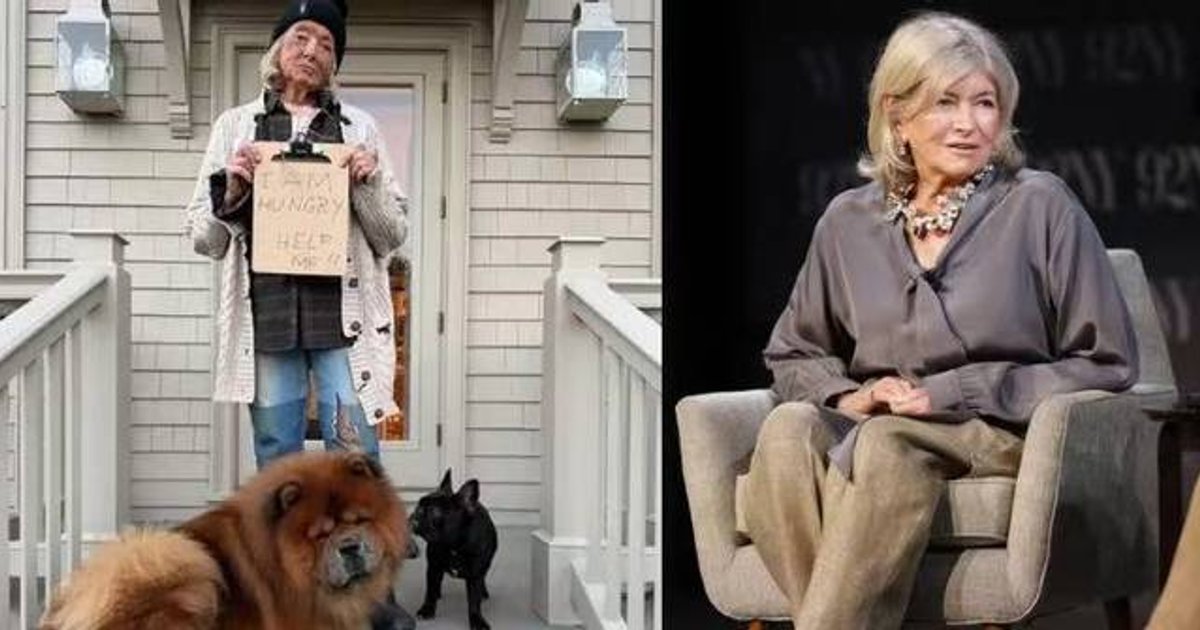
- Martha Stewart posted on Instagram promoting her QVC candle line with a Halloween costume depicting a homeless person holding a sign reading "I AM HUNGRY HELP ME!!"
- She wore torn clothing, dirt-themed makeup, and a haggard expression to impersonate a homeless person
- The post was deleted after it went viral, but screenshots spread widely across social media platforms
- Stewart initially told NBC News her intent was to "raise awareness of the serious issue of homelessness"
- Actress Indya Moore criticized her, stating wealthy individuals should support policies like taxing the rich and providing free services rather than cosplaying as the poor
Why It Matters
The incident highlights how celebrity privilege can create a disconnect from social issues affecting vulnerable populations, raising questions about the responsibility public figures bear when addressing poverty in public forums . Stewart's case demonstrates how seemingly harmless Halloween costumes can perpetuate harmful stereotypes and trivialize systemic issues like homelessness, particularly when used for commercial promotion .
The incident highlights how celebrity privilege can create a disconnect from social issues affecting vulnerable populations, raising questions about the responsibility public figures bear when addressing poverty in public forums . Stewart's case demonstrates how seemingly harmless Halloween costumes can perpetuate harmful stereotypes and trivialize systemic issues like homelessness, particularly when used for commercial promotion .