Writer recalls Chan Yuk-cheung’s search for identity
Bastillepost · 1 SOURCESabout 4 hours ago2 MIN
Summary
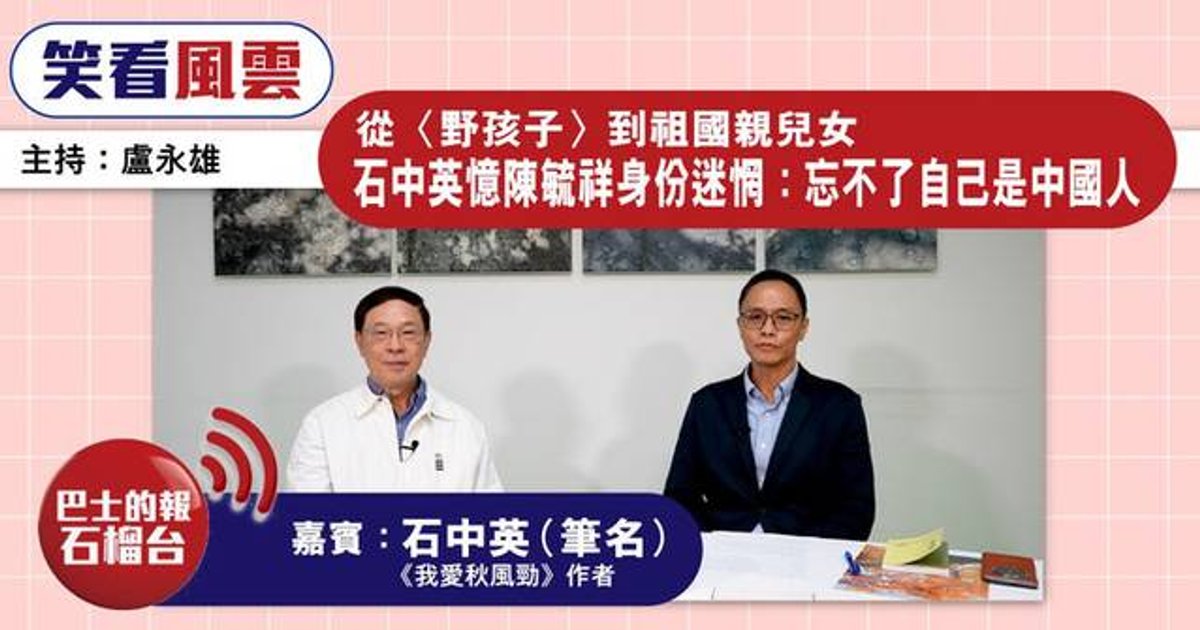
Essayist Shek Chung-ying said his essay “Wild Child” captured the confusion and struggle over identity experienced by many Hong Kong people before the 1997 handover. In an interview published on September 26, he recalled discussing those questions with Diaoyu movement figure Chan Yuk-cheung, who had once appeared spiritually adrift despite a comfortable background and strong academic results. Shek said Chan later changed markedly during the Diaoyu movement, joining students in singing anti-Japanese songs and, in Shek’s words, unable to forget that he was Chinese. The interview was framed around the 50th anniversary of Shek’s essay collection “I Love the Vigorous Autumn Wind” and the 30th anniversary of Chan’s death
Key Points
- Shek said that when travelling with a Hong Kong passport in his youth, he variously wrote “British”, “Chinese” and was corrected again, leaving him feeling Hong Kong people lacked a clear national identity
- He recalled growing up in Central, where his father pointed to a statue of King George VI near Government House and told him that being born in Hong Kong made him British, while also stressing his ancestral roots in Shunde
- At school, students spent a week rehearsing “God Save the Queen” before Governor David Trench visited, with portraits of Queen Elizabeth and Union flags displayed in classrooms and a large British flag hung in the hall
- Shek said identity confusion in the 1960s and 1970s extended beyond whether one was British or Chinese, because Hong Kong streets displayed the five-star red flag on October 1 and the blue-sky white-sun flag on Double Tenth Day
- He said he met Chan in the early 1970s, after US president Richard Nixon’s visit to China spurred student trips to the mainland, and later saw Chan transformed at a University of Hong Kong arts event amid the Diaoyu movement
Why It Matters
The account revisits how colonial education, travel documents and divided Chinese political symbols shaped identity debates that still resonate in Hong Kong. By linking Chan Yuk-cheung’s personal transformation to a wider generational experience, the interview offers readers a lens on how questions of belonging were lived rather than argued in the abstract