Last Villagers Face Deadline to Leave Cha Kwo Ling Squatter Settlement
SCMP · 1 SOURCESabout 2 hours ago2 MIN
Summary
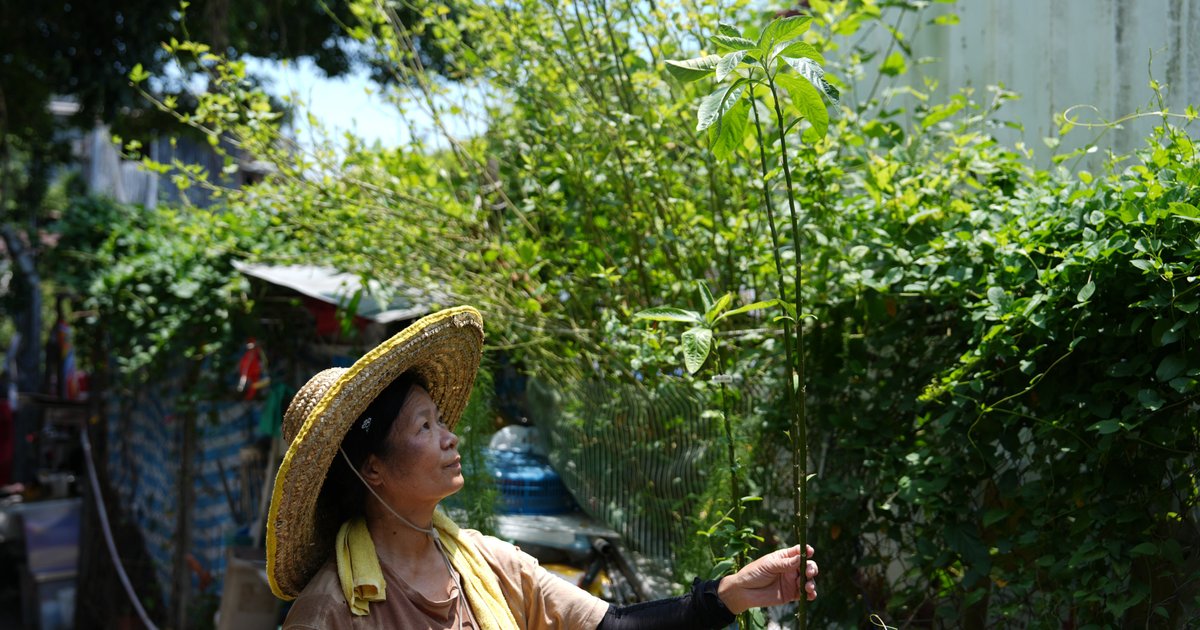
One of Hong Kong's last remaining squatter settlements at Cha Kwo Ling is facing an August 25 deadline for residents to clear out as the government advances redevelopment plans for public housing. Mrs Lam, a resident in her sixties, must abandon her medicinal herb garden that has provided her with more than HK$400,000 in earnings, describing the move as a profound loss. Multiple government departments, including the Lands Department, anti-triad police unit, Fire Services Department, and private security firms, began acquisition operations on Wednesday morning. The settlement, nestled within thick vegetation, features a mix of makeshift metal structures and traditional stone houses with wooden window frames, representing a vanishing way of life in the densely developed city. Meanwhile, Ng Po-wo, owner of Mau Fat Teahouse who has lived in the village since 1953, claims authorities have yet to contact him about evacuation or compensation arrangements.
Key Points
- Mrs Lam must vacate her Cha Kwo Ling home by August 25 and will lose her medicinal herbs, including Chinese fevervine, which she inherited over a dozen years ago
- Government acquisition work commenced in 2023, with Lands Department, anti-triad police, Fire Services Department, and security firms entering the village on Wednesday
- Ng Po-wo has lived at Mau Fat Teahouse since 1953 when he was one year old, yet the government has not reached out regarding his evacuation or compensation
- Mrs Lam's family of three received under HK$80,000 in government compensation, while redevelopment has cost her more than HK$400,000 in potential earnings
- Letters to the Chief Executive's Office seeking compensation for her medicinal products have not received a substantial response
Why It Matters
The clearance of Cha Kwo Ling marks the end of an era for Hong Kong's historical squatter communities, many of which date back to the post-war period when migrants from mainland China settled in the city's rural fringes. The redevelopment highlights the ongoing tension between urban development and the preservation of traditional ways of life, as long-term residents like Mrs Lam face displacement with limited compensation. As public housing projects replace these villages, questions arise about how the government balances housing needs against cultural heritage and the livelihoods of vulnerable residents.
The clearance of Cha Kwo Ling marks the end of an era for Hong Kong's historical squatter communities, many of which date back to the post-war period when migrants from mainland China settled in the city's rural fringes. The redevelopment highlights the ongoing tension between urban development and the preservation of traditional ways of life, as long-term residents like Mrs Lam face displacement with limited compensation. As public housing projects replace these villages, questions arise about how the government balances housing needs against cultural heritage and the livelihoods of vulnerable residents.