1937 Mural Sparks iPhone 'Time Travel' Debate, Historians Reveal Mirror
Bastillepost · 2 SOURCES1 day ago2 MIN
Summary
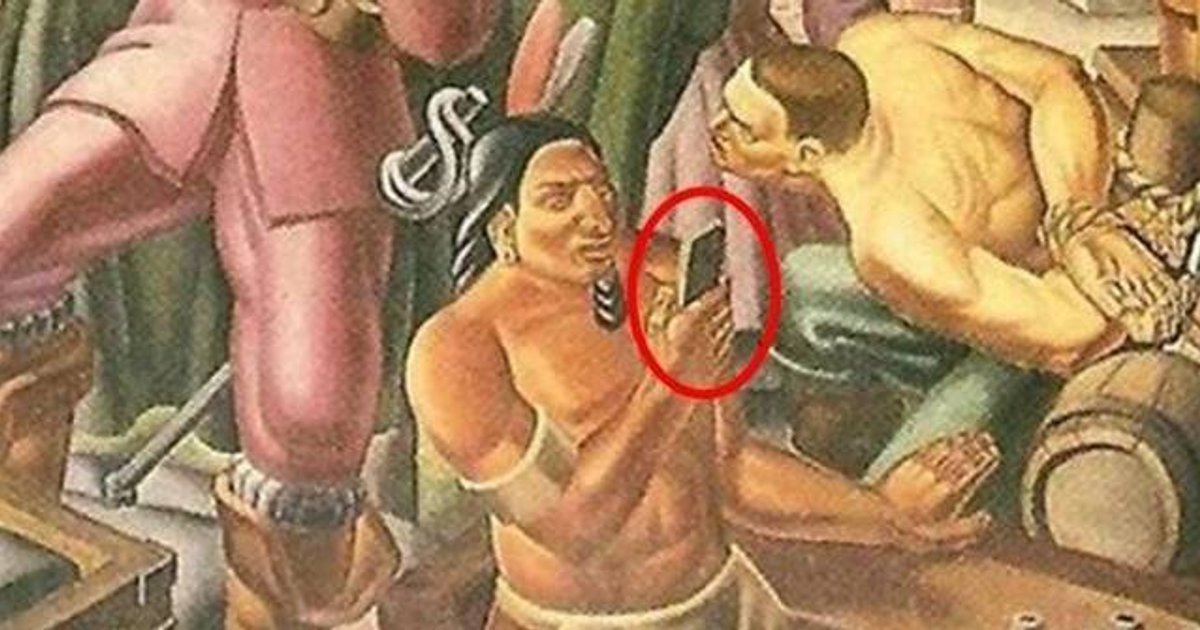
A 1937 mural depicting an indigenous man looking at a small black rectangular object has ignited online debate, with social media users joking about time travel after noticing the figure's pose closely resembles modern smartphone usage. The artwork, painted by Italian-American muralist Umberto Romano, is titled "Mr. Pynchon and the Settling of Springfield" and shows a Native American man holding what appears to be a device remarkably similar to an iPhone . However, historians have clarified that the mysterious object is actually a mirror, a common trade item during the 17th-century colonial era in Massachusetts Bay Colony . The mural, which was first brought to public attention in March 2025, is currently housed in the Massachusetts State House office building, a structure that formerly served as the Springfield Central Post Office .
Key Points
- The mural titled "Mr. Pynchon and the Settling of Springfield" was created in 1937 by Italian-American muralist Umberto Romano, depicting 17th-century Massachusetts Bay Colony life
- The artwork shows an indigenous man holding a small, dark rectangular object with a coal-black back and metallic or reflective edges, resembling a modern smartphone
- Social media users were quick to comment humorously about the apparent "time travel" discovery, with posts saying the mural appeared to show "iPhone in a 1937 painting"
- Historians identified the object as a mirror, which were common trade items between European colonists and Native Americans during the 17th century
- The mural is currently located in the Massachusetts State House office building, which previously functioned as the Springfield Central Post Office
Why It Matters
This viral debate highlights how easily modern technology can shape our interpretation of historical art, prompting public interest in both art history and colonial-era trade practices. The incident demonstrates the viral potential of historical imagery combined with contemporary technology references, showing how social media can spark broader conversations about how we perceive and misinterpret visual records from the past .
This viral debate highlights how easily modern technology can shape our interpretation of historical art, prompting public interest in both art history and colonial-era trade practices. The incident demonstrates the viral potential of historical imagery combined with contemporary technology references, showing how social media can spark broader conversations about how we perceive and misinterpret visual records from the past .