Kyoto Nijo Castle Plans Dual Pricing, Tourist Tickets to Double to 2,000 Yen
SingTao · 1 SOURCES1 day ago2 MIN
Summary
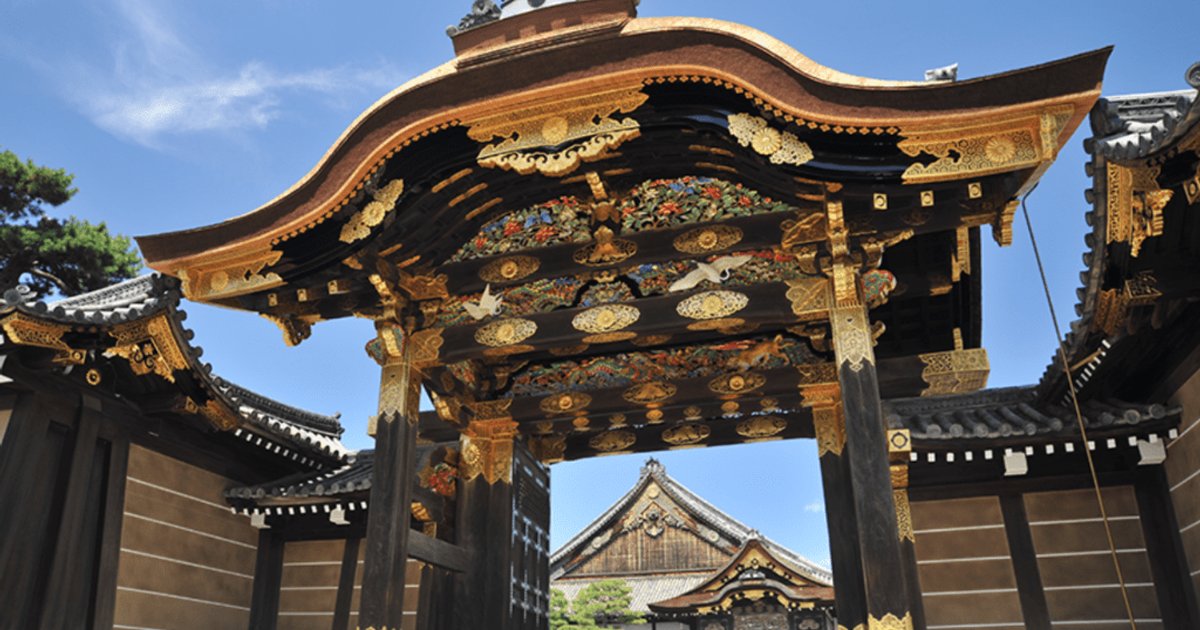
Kyoto City announced Thursday plans to introduce a dual pricing system at Nijo Castle, a UNESCO World Heritage Site, beginning in fiscal year 2027. Under the proposed structure, non-resident tickets—including foreign tourists—will nearly double to 2,000 yen (approximately HK$99.3), while Kyoto residents will receive discounted admission at 1,000 yen. The move aims to fund an expensive restoration of the historic Ninomaru Palace and address concerns over overtourism.
Key Points
- Kyoto Mayor Koji Matsui unveiled the dual pricing plan on October 1, with the city council expected to review amendments during the current fiscal year .
- Current combined admission (castle entry plus Ninomaru Palace) costs 1,300 yen; the new structure will charge residents 1,000 yen and non-residents 2,000 yen .
- Standalone castle entry will be priced at 500 yen for residents and 1,000 yen for non-residents, with pricing for high school students and below still under discussion .
- The Ninomaru Palace restoration, launched this fiscal year, carries an estimated cost of 20 billion yen (approximately HK$990 million), creating significant financial pressure on the city .
- Visitor data shows Nijo Castle received 2.07 million guests in fiscal 2025, yet Kyoto residents accounted for only 2 percent of total attendance .
Why It Matters
The pricing overhaul signals a broader shift in Japanese heritage management, as local governments balance preserving cultural assets against the strain of mass tourism. For Hong Kong travelers planning Japan trips, the new tariff represents a meaningful cost increase—particularly for those visiting multiple heritage sites, as Himeji Castle implemented similar dual pricing in March 2026, charging non-locals 2,500 yen versus 1,000 yen for residents. The Himeji model proved effective: despite visitor numbers dropping from 850,000 to 710,000 during March-August 2026, ticket revenue doubled to 1.35 billion yen, demonstrating that tourists may accept higher prices without deterring attendance .
The pricing overhaul signals a broader shift in Japanese heritage management, as local governments balance preserving cultural assets against the strain of mass tourism. For Hong Kong travelers planning Japan trips, the new tariff represents a meaningful cost increase—particularly for those visiting multiple heritage sites, as Himeji Castle implemented similar dual pricing in March 2026, charging non-locals 2,500 yen versus 1,000 yen for residents. The Himeji model proved effective: despite visitor numbers dropping from 850,000 to 710,000 during March-August 2026, ticket revenue doubled to 1.35 billion yen, demonstrating that tourists may accept higher prices without deterring attendance .