Four Waterfront Food Kiosk Project Over 9 Months Behind Schedule
Crhk · 2 SOURCES1 day ago2 MIN
Summary
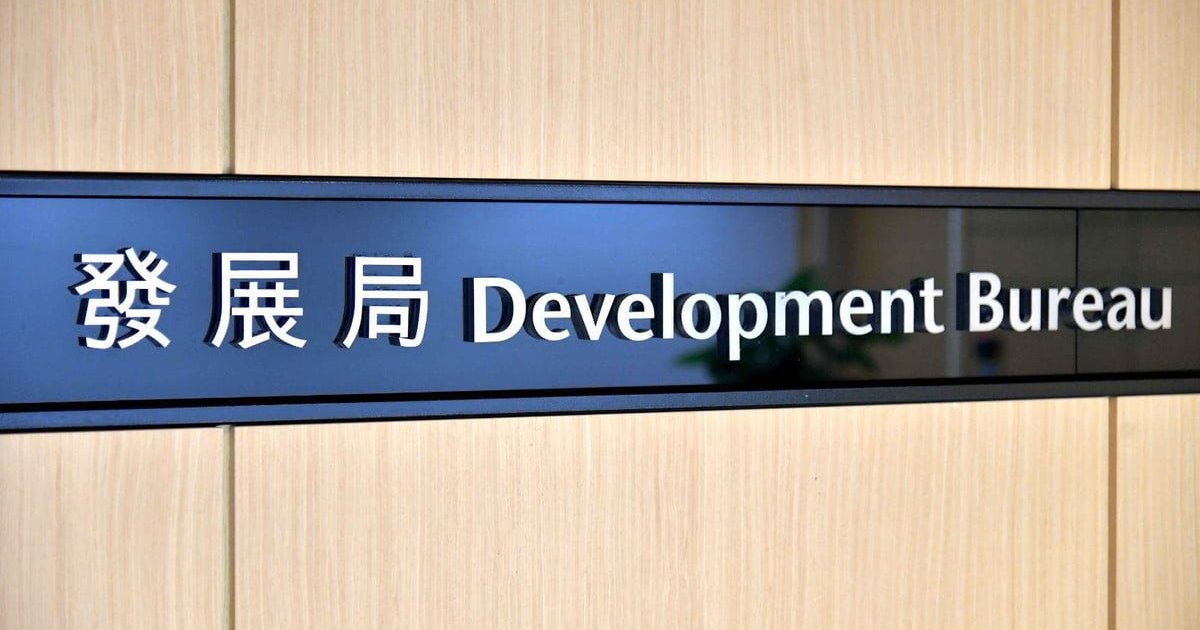
The Development Bureau's initiative to install light food and beverage kiosks at four Hong Kong waterfront locations is significantly behind its original timeline. The project, first announced in last year's Budget, was originally slated to begin operations by the end of last year, but is now over nine months behind schedule. An expression of interest was only launched in June this year, with more than 30 applications received by July when the submission period closed. The authorities are currently reviewing applications and targeting the first batch of kiosks to commence operations by the end of this year, while the second phase covering Wan Chai and North Point waterfronts is expected to invite applications within the year.
Key Points
- The Development Bureau and West Kowloon Cultural District Authority are collaborating to add kiosks at four waterfronts: Central, Wan Chai, Tsim Sha Tsui, and North Point
- The original target for operations was the end of last year, but as of June this year, the expression of interest stage had not yet begun, placing the project over nine months behind schedule
- The expression of interest invitation was launched in June this year and closed in July, attracting over 30 applications from diverse food and beverage businesses
- Site selection criteria include convenient locations with consistent weekday and weekend foot traffic, adequate performance space, and complete supporting facilities including power supply
- The evaluation criteria weigh factors such as diversity and uniqueness of food offerings, brand concept compatibility with the venue, kiosk design and appearance, and relevant operational experience
Why It Matters
The waterfront revitalization project represents a key component of Hong Kong's urban renewal strategy, aiming to transform underutilized harbourfront spaces into vibrant community destinations. The delay highlights the complexity of coordinating among multiple government departments and stakeholders to balance aesthetic, operational, and logistical requirements. Successful implementation could set a precedent for future waterfront development projects and enhance the quality of public spaces in the city.
The waterfront revitalization project represents a key component of Hong Kong's urban renewal strategy, aiming to transform underutilized harbourfront spaces into vibrant community destinations. The delay highlights the complexity of coordinating among multiple government departments and stakeholders to balance aesthetic, operational, and logistical requirements. Successful implementation could set a precedent for future waterfront development projects and enhance the quality of public spaces in the city.