Lincoln Memorial Reflecting Pool Case: Prosecutors Withdraw Charges but Seek to Preserve Indictment Rights
SingTao · 1 SOURCESabout 3 hours ago2 MIN
Summary
The legal battle over the Lincoln Memorial Reflecting Pool damage case shows no signs of abating. After the U.S. Department of Justice charged 67-year-old former Olympic slalom kayaker David Hearn and others with allegedly malicious acts of tearing the pool lining, independent technical investigations revealed that the extensive coating detachment at the pool bottom was caused by contractor rushing and construction defects—far beyond what human hands could reach. Prosecutors applied to withdraw charges in late July, but insisted on a "dismissal without prejudice" to preserve future prosecution rights, triggering fierce resistance from the defense team and stern questioning from the presiding judge.
Key Points
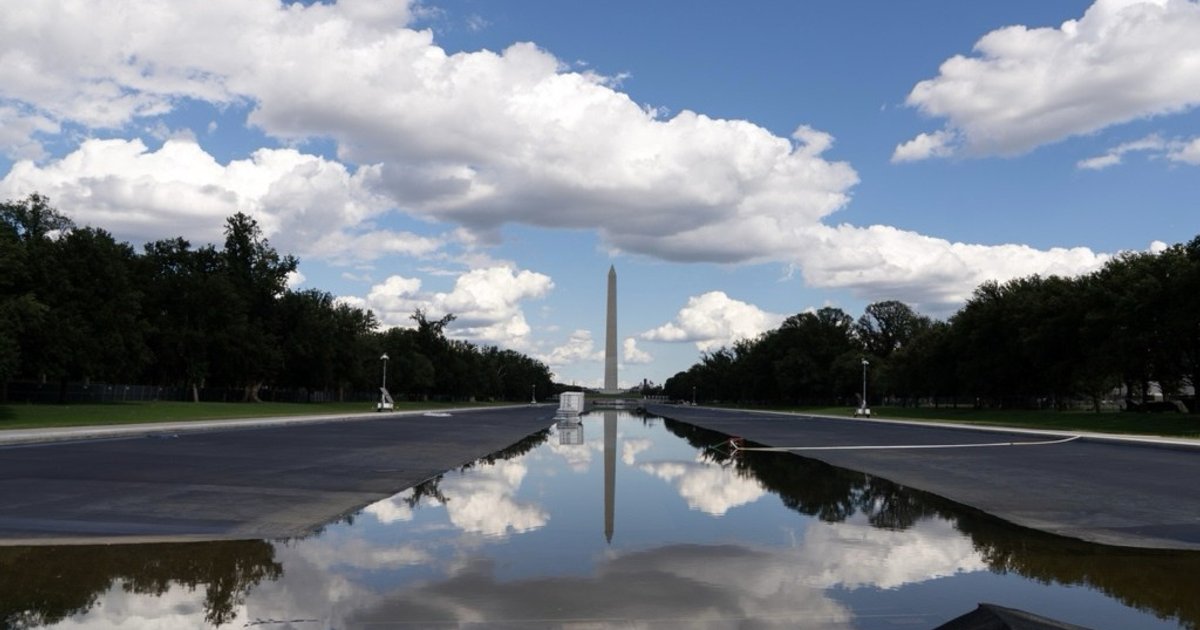
- The approximately 620-meter-long Reflecting Pool underwent a $14 million (nearly HK$110 million) renovation under Trump's initiative, with a new "American flag blue" coating applied after the water was drained
- Shortly after refilling, the pool suffered large-scale coating peeling and massive algae growth, with independent investigation confirming that central areas beyond human reach showed extensive detachment
- Prosecutors had accused David Hearn of "maliciously tearing the lining to damage public property" but provided no substantial evidence, prompting the court to revoke the charges
- Washington D.C. Superior Court held a hearing last Friday where prosecution attorney Michael Spencer, under political pressure from the White House, applied for "dismissal without prejudice"
- Presiding Judge Todd Edelman severely questioned the prosecution's position, noting that prosecutors admitted lacking criminal evidence and having no ongoing investigation, yet could not specify what new evidence they were awaiting
Why It Matters
Judge Edelman explicitly referenced Trump's public political pressure on the D.C. federal prosecutor's office during the hearing, expressing deep concern that without permanent case closure, innocent defendants could face prolonged judicial threats under political shadows . The case highlights the tension between prosecutorial discretion and the constitutional rights of citizens to be free from repeated unfounded prosecution—a principle that resonates in any jurisdiction governed by the rule of law.
Judge Edelman explicitly referenced Trump's public political pressure on the D.C. federal prosecutor's office during the hearing, expressing deep concern that without permanent case closure, innocent defendants could face prolonged judicial threats under political shadows . The case highlights the tension between prosecutorial discretion and the constitutional rights of citizens to be free from repeated unfounded prosecution—a principle that resonates in any jurisdiction governed by the rule of law.