Beggar Woman's Death Uncovers HK$245,000 Hidden Cash in India Rental
AM730 · 1 SOURCESabout 1 hour ago2 MIN
Summary
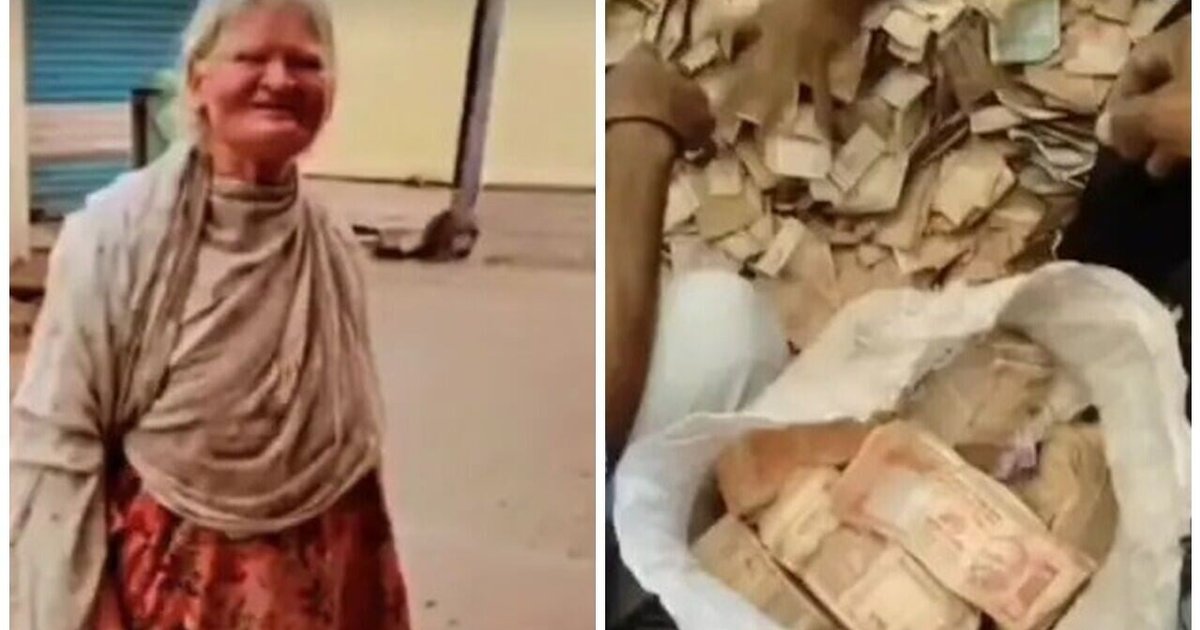
An 85-year-old beggar named Hoor Unnisa passed away on August 24 in Mandya district, Karnataka, India, sparking a remarkable discovery by her compassionate neighbors. After helping arrange her burial, the neighbors entered her humble rental dwelling to clean her belongings, only to uncover a staggering fortune hidden within the premises. The cash was found in approximately 20 to 30 bags, with initial counts revealing 800,000 to 900,000 rupees, and estimates suggesting the total exceeds 3 million rupees (around HK$245,000). The community now grapples with questions about how such an enormous sum came to be possessed by a woman who lived in apparent poverty, surviving solely on alms. Residents have taken precautions by transferring the cash to a nearby mosque for safekeeping while authorities work to locate her next of kin.
Key Points
- Hoor Unnisa, an elderly unmarried woman, died on August 24 in Mandya district, Karnataka, India, from age-related health complications
- She had been living alone in a modest rental property since her unmarried sister passed away approximately two years ago
- Neighbors discovered 20 to 30 bags filled with banknotes inside her rental home during cleanup operations
- Initial cash count reached 800,000 to 900,000 rupees, with total estimated to exceed 3 million rupees (HK$245,000)
- Local residents have transferred the discovered cash to the Guthalu mosque for safekeeping pending inheritance procedures
Why It Matters
This incident challenges assumptions about poverty and financial transparency in Indian society, where a woman seemingly dependent on public charity secretly accumulated a small fortune. The case highlights the importance of proper financial documentation and banking systems, as large undisclosed cash holdings create significant risks of loss, fraud, or mismanagement. For Hong Kong readers, it underscores how wealth inequality and informal economic activities persist across developing nations, often leaving families and communities without clear mechanisms to protect or inherit such discoveries.
This incident challenges assumptions about poverty and financial transparency in Indian society, where a woman seemingly dependent on public charity secretly accumulated a small fortune. The case highlights the importance of proper financial documentation and banking systems, as large undisclosed cash holdings create significant risks of loss, fraud, or mismanagement. For Hong Kong readers, it underscores how wealth inequality and informal economic activities persist across developing nations, often leaving families and communities without clear mechanisms to protect or inherit such discoveries.