Lawmakers Slam Handling of Queen Mary Hospital Faulty Elevators
HK01 · 2 SOURCESabout 14 hours ago5 MIN
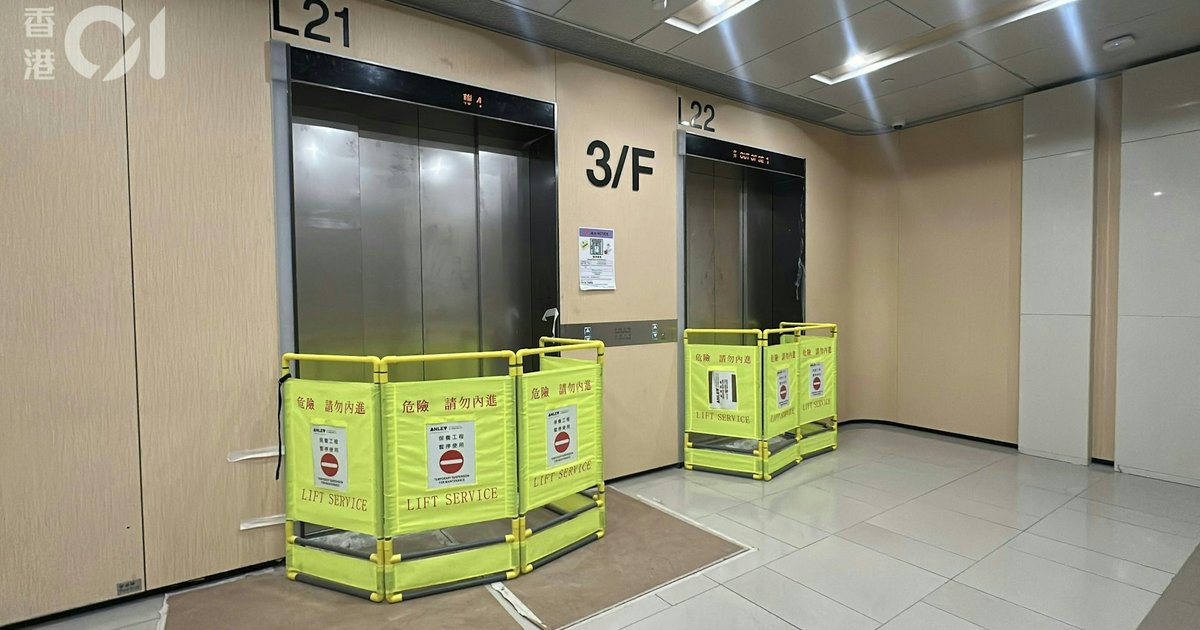
Summary
The Legislative Council Development Affairs Committee on Friday reviewed the investigation report on elevator engineering problems at Queen Mary Hospital's new clinical building. The Architectural Services Department's Director, Leo Kuet-yen (李翹彥), told lawmakers the department only became aware of the full scope of the project issues after an industrial accident occurred in July 2025. The report detailed that 28 elevators were involved, with 25 signed off as safe by a registered elevator engineer who has since been suspended and convicted. Multiple legislators condemned the handling of the incident, with one describing it as a "perfect storm" involving layers of concealment.
Key Points
- Of the 28 elevators in Queen Mary Hospital's new clinical building, 25 were certified by suspended engineer Law Wing-chai (羅永齊), who received a 160-hour community service order
- Two additional registered elevator engineers also signed safety certificates for the remaining elevators, with investigations ongoing
- EMSD Commissioner Poon Kwok-ying (潘國英) stated his department first learned of the problems in February 2025 during an inspection that revealed metal cutting work
- Independent third-party experts from a Guangdong research institute confirmed shaft deviations and poor workmanship in March 2026
- Development Bureau Secretary Terry Lau (甯漢豪) said authorities waited to announce publicly because the hospital was still in defect rectification phase with no identified cause or solution
Why It Matters
The incident exposes systemic failures in Hong Kong's elevator certification and oversight regime, where 28 elevators in a major public hospital were certified despite abnormal chisel marks and improper documentation . Lawmakers' characterization of the response as involving layers of concealment raises serious questions about accountability and transparency in government construction projects, particularly affecting healthcare facilities where patient and staff safety is paramount .
The incident exposes systemic failures in Hong Kong's elevator certification and oversight regime, where 28 elevators in a major public hospital were certified despite abnormal chisel marks and improper documentation . Lawmakers' characterization of the response as involving layers of concealment raises serious questions about accountability and transparency in government construction projects, particularly affecting healthcare facilities where patient and staff safety is paramount .