Seoul's Gwangjang Market Vendors Caught Reusing Customer-Contaminated Food, Blaming AI
Bastillepost · 1 SOURCESabout 2 hours ago2 MIN
Summary
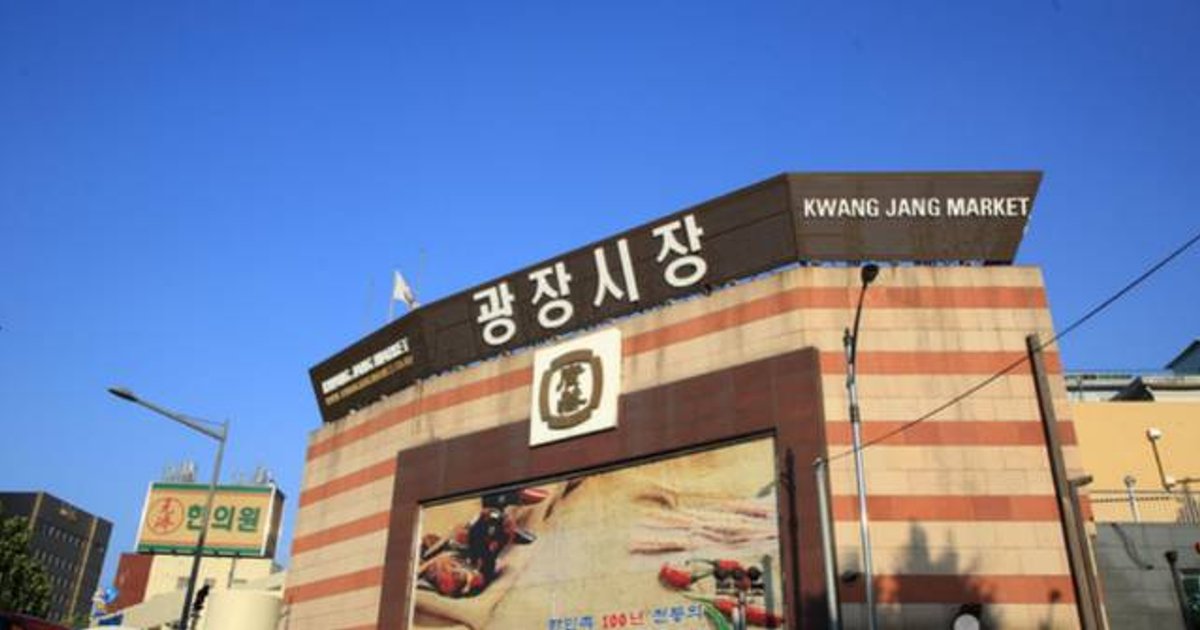
Seoul's renowned Gwangjang Market is engulfed in another food safety scandal after a media investigation uncovered systematic price discrimination against foreign visitors and egregious hygiene violations including the reuse of customer-contaminated vegetables. When confronted, one vendor absurdly cited artificial intelligence as authorization for the unsanitary practice. Authorities have responded by promising immediate investigations and the maximum penalty of 30 points.
Key Points
- Undercover reporters posing as foreign tourists ordered tteokbokki and bottled water at a market stall, being charged 1,500 won instead of the 1,000 won listed on the menu
- When reporters returned the next day speaking Korean, the same vendor immediately quoted the correct 1,000 won price, revealing a "yin-yang menu" targeting foreigners
- Vendors were filmed collecting uneaten lettuce, garlic slices, and chili peppers with customer saliva back into storage containers for reuse
- One vendor defended the practice by stating: "I asked AI, and AI said this is acceptable"
- The market faced similar controversy in April 2026 when vendors charged 2,000 won for bottled water
- Seoul's Jongno-gu Office implemented a penalty point system in June 2026, yet three months later zero vendors have been penalized despite widespread violations
- The district office has pledged to impose the maximum 30-point penalty on violators and strengthen on-site inspections
Why It Matters
The scandal exposes systemic failures in market oversight, with a penalty system that has produced zero sanctions despite documented violations over three months. As Gwangjang Market is a major tourist destination, such practices risk severe reputational damage to Seoul's hospitality industry and may deter international visitors .
The scandal exposes systemic failures in market oversight, with a penalty system that has produced zero sanctions despite documented violations over three months. As Gwangjang Market is a major tourist destination, such practices risk severe reputational damage to Seoul's hospitality industry and may deter international visitors .