Rail-Adjacent Property Owners Exit After 8 Years as Rental Yields Fail to Offset Deep Losses
AM730 · 3 SOURCES1 day ago2 MIN
Summary
Three separate property transactions have highlighted the challenging environment for Hong Kong real estate investors, with owners accepting substantial losses after holding units for approximately eight years. The deals include a rail-adjacent development in Kwai Chung where the owner gave up rental income, a new development in Tai Po sold to a mainland buyer, and a mature estate in North Point where another investor also exited at a loss. The transactions collectively underscore how falling property values have eroded returns for investors who purchased near the market peak in 2018.
Key Points
- A 400-sq-ft two-bedroom unit at Sun Kwai Fong Gardens in Kwai Chung sold for HK$5.3 million after the owner reduced the asking price by HK$180,000, representing a loss of approximately HK$1.4 million or 20 percent over eight years .
- The Sun Kwai Fong Gardens owner originally purchased the unit for HK$6.7 million in 2018 and held it as a rental property before deciding to cut losses and sell, abandoning potential rental returns .
- A 468-sq-ft two-bedroom unit at Wan Wui (The Grand Pacific) in Tai Po's Pak Shek Kok area sold for HK$7.08 million, representing a loss of approximately HK$830,000 over eight years to a mainland buyer .
- The Tai Po buyer plans to rent out the unit initially at HK$18,000 per month with potential market rent of HK$21,000 per month, translating to a rental yield of approximately 3 percent .
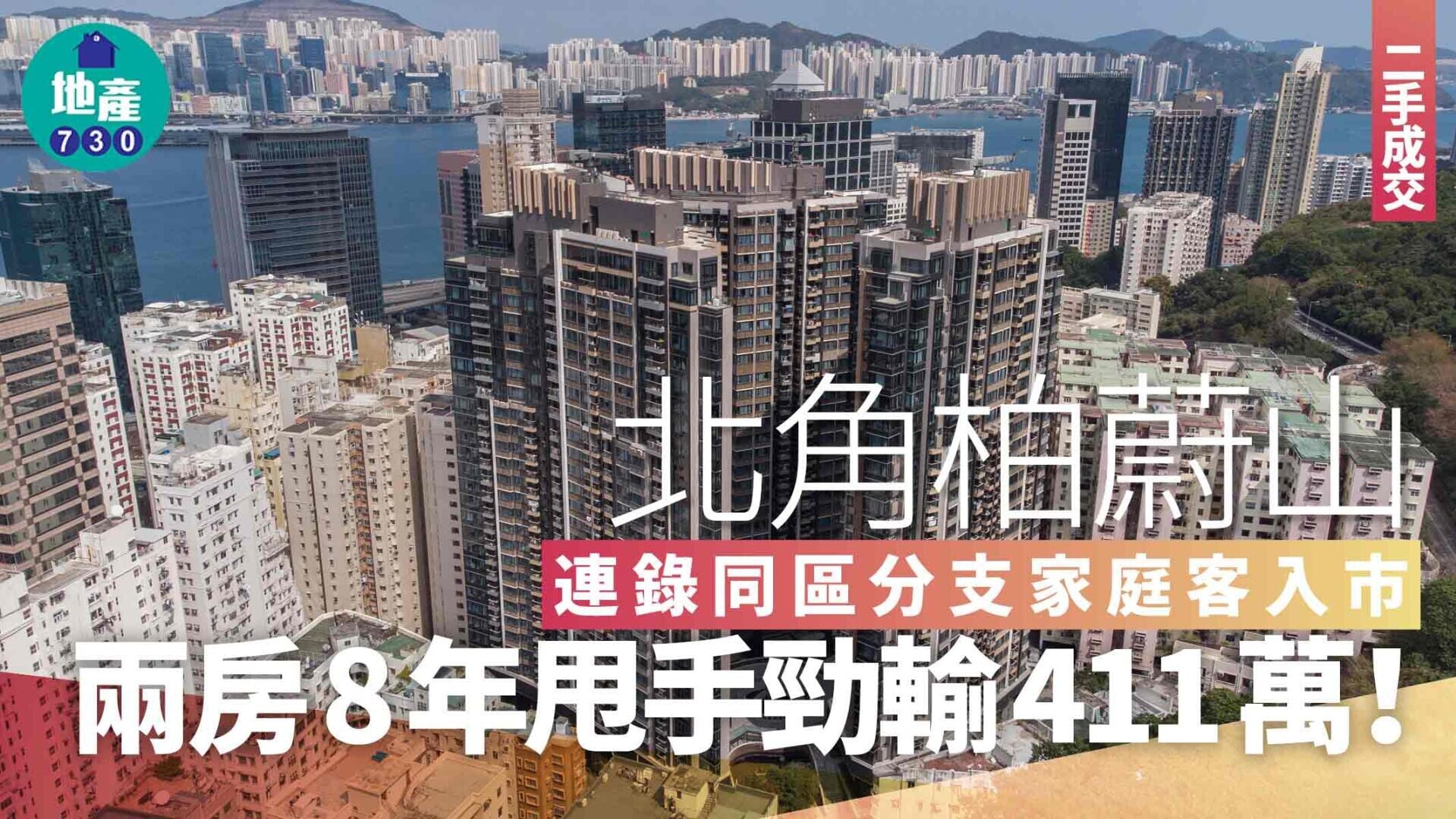
- A contrasting transaction at The Pavilia Bay in North Point saw a three-bedroom suite unit sold for HK$20.8 million, earning a profit of HK$2.8 million or 15.6 percent within one year, indicating selective market strength .
Why It Matters
The divergence between loss-making exits and profitable short-term resales illustrates the uneven recovery in Hong Kong's property market, where location, property age, and buyer profile increasingly determine outcomes. The decision by long-term rental property owners to exit suggests that rental yields have failed to compensate for capital depreciation, a trend that could discourage future investment in the residential market.
The divergence between loss-making exits and profitable short-term resales illustrates the uneven recovery in Hong Kong's property market, where location, property age, and buyer profile increasingly determine outcomes. The decision by long-term rental property owners to exit suggests that rental yields have failed to compensate for capital depreciation, a trend that could discourage future investment in the residential market.