Japan Marks 81st WWII Surrender Anniversary; PM Omits Reflection Language
Crhk · 2 SOURCESabout 2 hours ago2 MIN
Summary
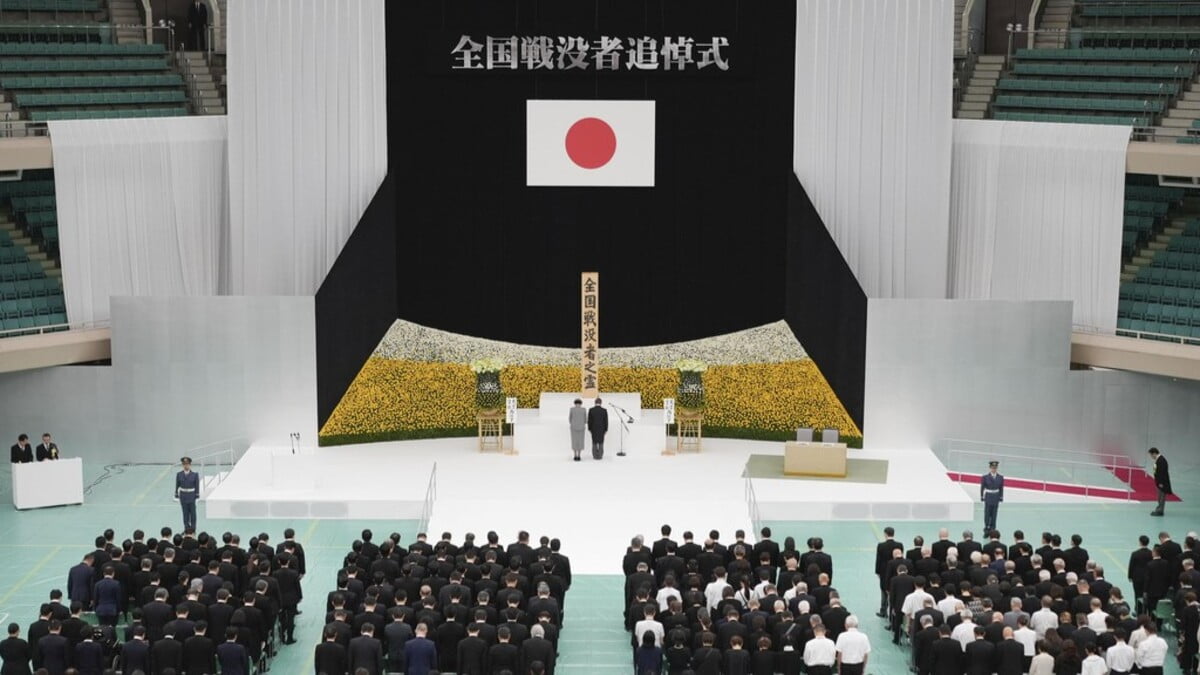
Japan commemorated the 81st anniversary of its World War II surrender on August 15, with the government hosting an official memorial ceremony attended by more than 4,000 people . Prime Minister Sanae Takaichi delivered remarks reaffirming that war tragedies must never be repeated, but she notably omitted the word "reflection" that her predecessor Shigeru Ishiba had used in last year's address . Several senior cabinet ministers and Liberal Democratic Party officials visited the Yasukuni Shrine in person, prompting strong criticism from Beijing .
Key Points
- Takaichi affirmed during her speech that the war's devastation must never recur, but did not repeat the "reflection" language Ishiba used in 2024
- Defense Minister Shinjiro Koizumi conducted a personal visit to Yasukuni Shrine, posting on social media Japan's commitment to renouncing war
- Other Japanese officials who visited included LDP Secretary-General Shunichi Suzuki, Policy Research Council Chair Arimura Haruko, Election Strategy Committee Chairman Nishimura Yasutoshi, and Regional Revitalization Minister Kogawa Taishi
- Takaichi sent ritual offering money to the shrine rather than attending in person, a relatively restrained diplomatic gesture
- China's Global Times published an editorial condemning Yasukuni visits, warning Japan against remilitarization and "more painful failures"
Why It Matters
The omission of reflection language by Japan's current prime minister marks a subtle shift from her predecessor's approach to wartime history, potentially signaling changes in how Tokyo addresses its WWII legacy . The simultaneous visits by multiple cabinet members to a site that China and South Korea consider a symbol of Japanese militarism underscore the continuing fragility of diplomatic relations in Northeast Asia .
The omission of reflection language by Japan's current prime minister marks a subtle shift from her predecessor's approach to wartime history, potentially signaling changes in how Tokyo addresses its WWII legacy . The simultaneous visits by multiple cabinet members to a site that China and South Korea consider a symbol of Japanese militarism underscore the continuing fragility of diplomatic relations in Northeast Asia .