Fuzhou Historical Districts Preserve Culture While Boosting Commerce Through Tech
RTHK · 1 SOURCESabout 3 hours ago2 MIN
Summary
Fuzhou's historic districts are emerging as model examples of heritage conservation, blending cultural preservation with commercial viability. The Upper and Lower Shangxia Cultural Historic District and Sanfang Qixiang attract visitors seeking authentic experiences with traditional crafts and historical sites. District managers prioritize maintaining cultural elements while leveraging technology to enhance visitor engagement and boost related merchandise sales.
Key Points
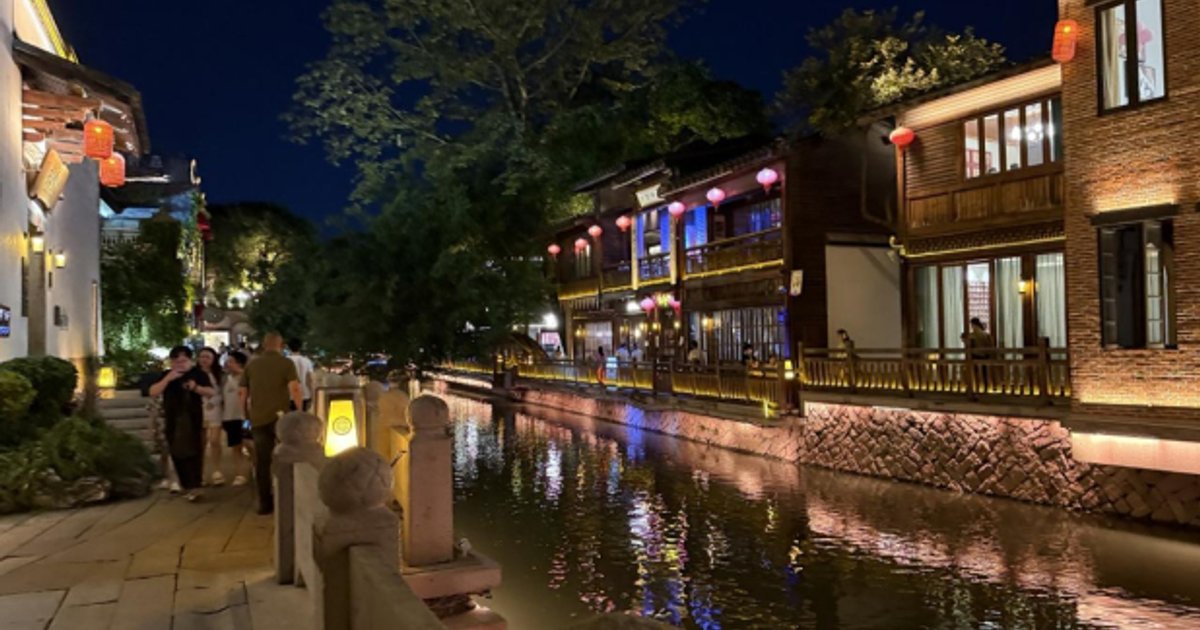
- Upper and Lower Shangxia Historic District has been revitalized with nighttime lighting and boat tours along the Sanjie River
- Fuzhou became one of China's earliest five treaty ports during the Qing Dynasty, trading tea and dried seafood
- Jasmine flower tea, a local intangible cultural heritage, is showcased alongside its traditional production techniques
- The district displays over 200 intangible heritage items with performances and cultural exhibitions
- Sanfang Qixiang features Yan Fu's former residence, China's first president of Peking University who translated "Evolution and Ethics"
- District officials mandate that over 60 percent of attractions maintain cultural focus, prioritizing heritage brands and first stores
- Hong Kong visitors praised the conservation work, suggesting potential lessons for their home city
Why It Matters
Fuzhou's approach demonstrates how historic districts can achieve financial sustainability while respecting cultural heritage. For Hong Kong, which faces ongoing debates about preserving its own historical sites, this model shows technology and tradition can coexist. The success in driving intangible heritage merchandise sales provides a replicable framework for other Chinese cities balancing modernization with cultural identity.
Fuzhou's approach demonstrates how historic districts can achieve financial sustainability while respecting cultural heritage. For Hong Kong, which faces ongoing debates about preserving its own historical sites, this model shows technology and tradition can coexist. The success in driving intangible heritage merchandise sales provides a replicable framework for other Chinese cities balancing modernization with cultural identity.