Law Society joins Xinjiang, Central Asia legal push
Bastillepost · 3 SOURCESabout 2 hours ago2 MIN
Summary
Hong Kong is using a multi-stop legal and professional outreach trip to deepen links with Xinjiang and Central Asia as mainland companies expand overseas. Secretary for Justice Paul Lam Ting-kwok led a cross-sector delegation to Urumqi as the first stop of a visit running from August 23 to 29, while Law Society vice-presidents Roden Tong and YU Kwok-kin joined the broader mission after separately meeting the Xinjiang Lawyers Association in advance. The programme combines training on Hong Kong common law and dispute resolution, official meetings with Xinjiang leaders, and discussions on how Hong Kong and Xinjiang legal professionals can jointly support companies entering Central Asian markets. The delegation is due to continue to Almaty in Kazakhstan and then Uzbekistan as it seeks to widen Hong Kong's legal services network along Belt and Road routes.
Key Points
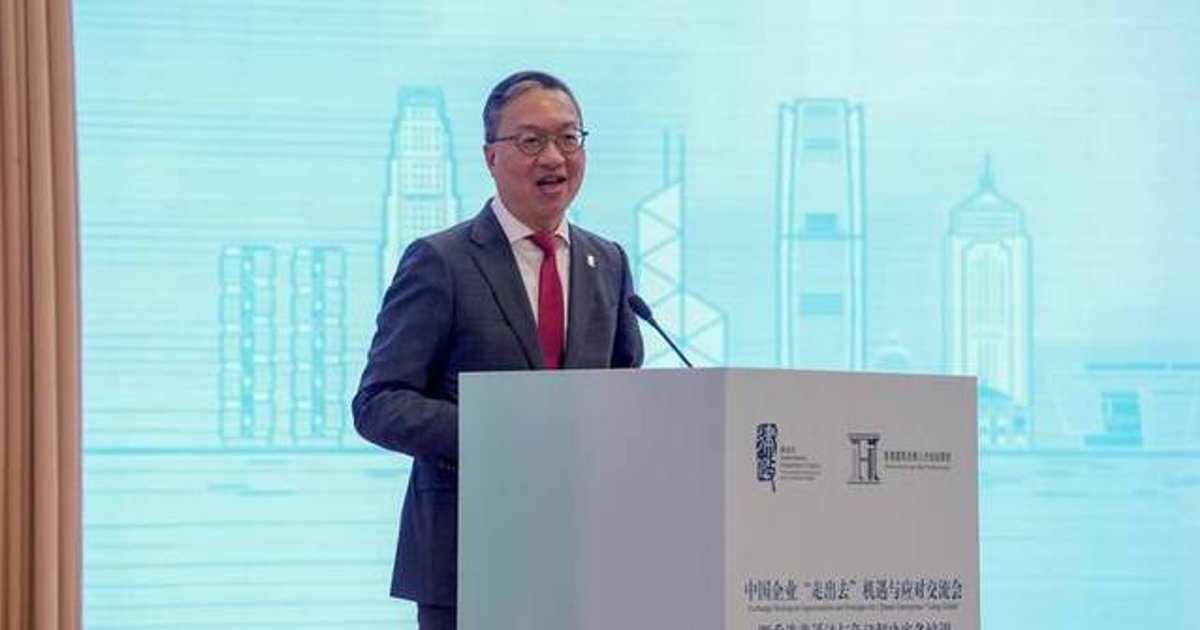
- Lam led a delegation of legal, dispute resolution, finance and accounting professionals to Urumqi, the first stop of the official visit to Xinjiang and Central Asia.
- At a training launch hosted by the Hong Kong International Legal Talents Training Academy, Lam spoke on "one country, two systems" and Hong Kong common law
- Lam said Xinjiang is a gateway linking mainland enterprises with Central Asia and Europe, making legal services increasingly important for cross-border trade and investment.
- Before the main itinerary, Law Society vice-presidents Lai Nga-ming and YU Kwok-kin met Xinjiang Lawyers Association leaders Geng Baojian, Li Li and Xie Wenhong in Urumqi
- Both sides discussed resource sharing, young lawyer exchanges, foreign-related legal training and a "going out together" model to support investment, financing, compliance and disputes
Why It Matters
For Hong Kong readers, the trip points to a practical route for the city's legal sector to win work tied to mainland companies expanding into Central Asia, rather than relying only on traditional markets. It also links Hong Kong's common law and arbitration strengths with Xinjiang's geographic position as a western gateway, potentially creating new cross-border referral and training channels for local professionals.