Khorchin Beef Scandal: Raw-Cut Product Found with Illegal Guar Gum Additive
AM730 · 2 SOURCESabout 3 hours ago2 MIN
Summary
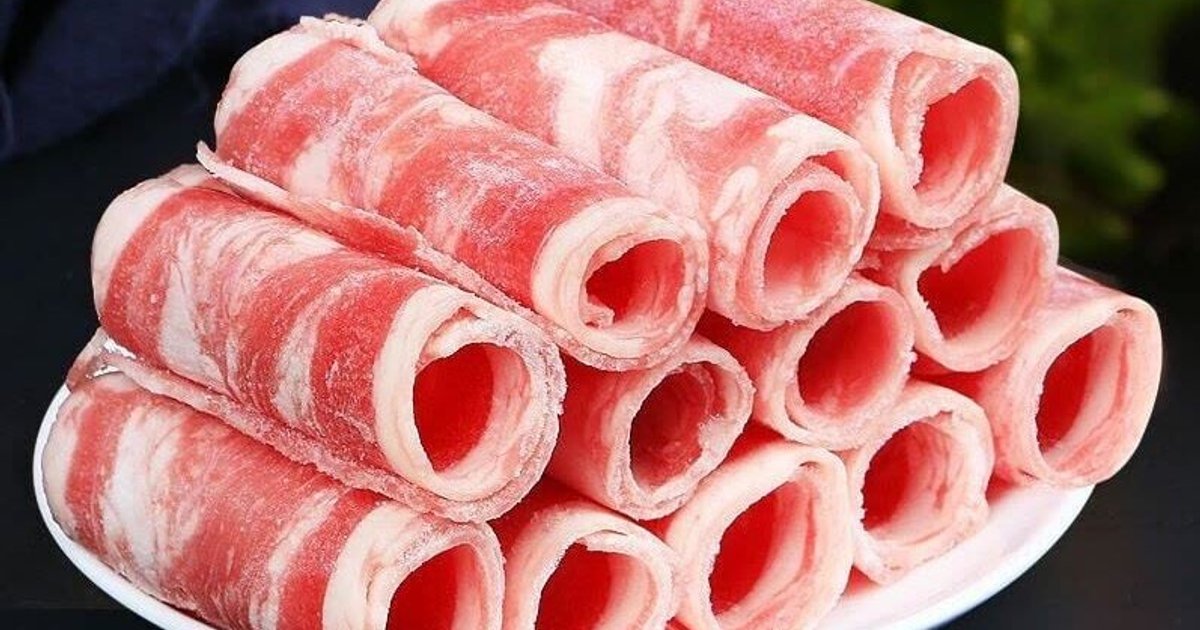
Inner Mongolia's leading beef producer Khorchin Cattle Industry Co Ltd has been placed under official investigation after market surveillance authorities in Sichuan Province detected guar gum in the company's signature "raw-cut" beef roll product. The Sichuan Provincial Market Supervision Administration published its food safety inspection notice on August 28, reporting that the 300-gram Khorchin Raw-Cut Beef Roll, produced on January 10, 2026, contained 0.0311g/kg of guar gum . Both the initial test and a re-test conducted by the National Quality Inspection and Testing Center for Processed Foods (Guangdong) confirmed the product was non-compliant with national food safety standards . The Inner Mongolia Khorchin Left Wing Rear Banner Market Supervision Administration stated on September 2 that it had initiated a formal investigation and confirmed the batch was produced exclusively for a single corporate client . The company has denied any wrongdoing, asserting that its factory does not manufacture any products containing guar gum .
Key Points
- The 300g/box Khorchin Raw-Cut Beef Roll (production date: January 10, 2026) was sampled from a food outlet in Chengdu's Wuhou District
- Testing revealed 0.0311g/kg of guar gum, a thickening agent only permitted in processed or reconstituted meat, not raw-cut products
- National standard GB2760-2024 explicitly prohibits any food additives in fresh, chilled, or frozen raw meat
- The Khorchin brand, established in 2002, was a designated beef supplier for the 2008 Beijing Olympics and 2010 Guangzhou Asian Games
- Excessive guar gum consumption can cause bloating, diarrhea, gastrointestinal spasms, and in severe cases, intestinal blockage
Why It Matters
This case represents a textbook example of food fraud where a premium-priced "raw-cut" label was used to deceive consumers willing to pay more for supposedly unprocessed meat . The practice of adding glue-like binders to bind scrap meat together and passing it off as premium cuts not only violates food safety regulations but also undermines trust in the entire raw-cut meat category. For Hong Kong consumers, this incident highlights the importance of vigilance when purchasing frozen beef products, as similar deceptive labeling practices could potentially affect imported meat products in the local market .
This case represents a textbook example of food fraud where a premium-priced "raw-cut" label was used to deceive consumers willing to pay more for supposedly unprocessed meat . The practice of adding glue-like binders to bind scrap meat together and passing it off as premium cuts not only violates food safety regulations but also undermines trust in the entire raw-cut meat category. For Hong Kong consumers, this incident highlights the importance of vigilance when purchasing frozen beef products, as similar deceptive labeling practices could potentially affect imported meat products in the local market .