New Hengqin Port Marks 6th Anniversary, 110 Million Crossings
Bastillepost · 1 SOURCESabout 3 hours ago2 MIN
Summary
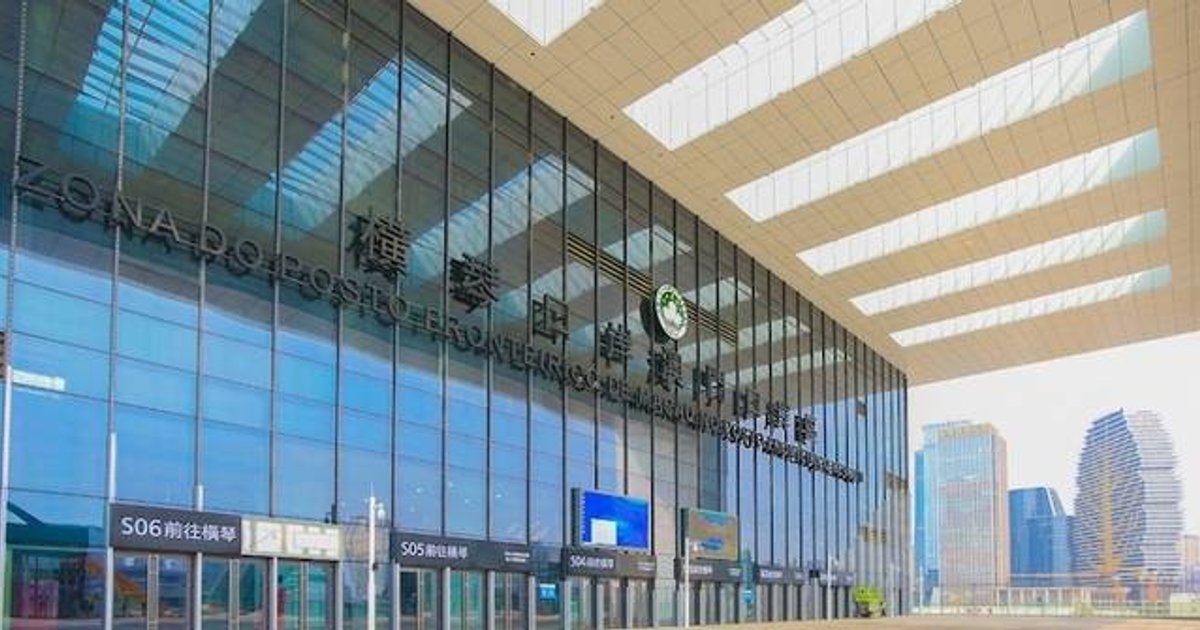
The New Hengqin Port marked its sixth anniversary on August 18, having become one of the busiest border crossings in the Guangdong-Hong Kong-Macao Greater Bay Area. Since opening in 2020, the port has processed over 110 million travelers and 13 million vehicles, with annual growth rates of 37.5% and 35.1% respectively. New convenience measures now enable Hong Kong and Macau residents to use their Home Return Permits for two-way clearance at three major ports starting from August 18, 2026.
Key Points
- The New Hengqin Port has cumulatively processed more than 110 million travelers and 13 million vehicles since 2020
- Passenger and vehicle flows have grown at annual rates of 37.5% and 35.1% respectively, making it a core Greater Bay Area corridor
- "Qin'ao Tourism" permits have facilitated over 374,000 exits, while "multiple-entry" permits account for 985,000 exits
- Starting August 18, 2026, Hong Kong permanent residents can use Home Return Permits for clearance via three ports
- The three ports include the Hong Kong-Zhuhai-Macau Bridge, Hengqin, and Qingmao, enabling full "one-permit clearance"
Why It Matters
The Hengqin Port's rapid growth reflects the deepening integration between Hong Kong, Macau, and mainland China under the Greater Bay Area initiative. The expansion of Home Return Permit usage for two-way clearance removes a significant barrier for Hong Kong residents traveling to the mainland, potentially increasing cross-border mobility and economic ties. This development aligns with broader regional strategies to create a seamless living and business environment across the Greater Bay Area.
The Hengqin Port's rapid growth reflects the deepening integration between Hong Kong, Macau, and mainland China under the Greater Bay Area initiative. The expansion of Home Return Permit usage for two-way clearance removes a significant barrier for Hong Kong residents traveling to the mainland, potentially increasing cross-border mobility and economic ties. This development aligns with broader regional strategies to create a seamless living and business environment across the Greater Bay Area.