Trump Says Kim Replied After Drill Cut Order
SingTao · 2 SOURCESabout 3 hours ago2 MIN
Summary
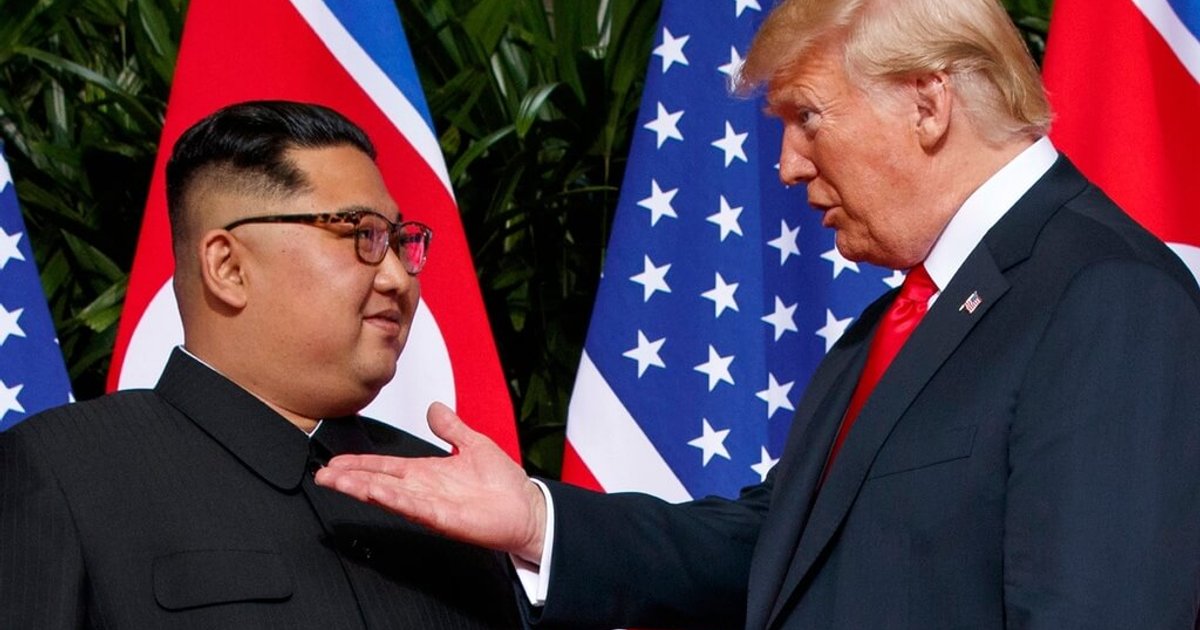
US President Donald Trump said at the White House that North Korean leader Kim Jong Un has responded to his outreach for talks, though he declined to say what Kim said or through what channel the reply came. Trump described the state of engagement as “very positive” and again argued that his personal relationship with Kim has helped lower tensions on the Korean Peninsula. His remarks came after he said he had ordered the Pentagon to significantly reduce the scale of joint military exercises with South Korea, citing both their high cost and what he called an unnecessarily hostile signal to North Korea. Trump also tied the decision to his dissatisfaction with South Korea’s refusal to support US action related to Iran, including security around the Strait of Hormuz.
Key Points
- Asked why Kim had not responded since Trump returned to the White House last year, Trump replied: “How do you know he hasn’t?” before confirming that Kim had responded
- Trump did not reveal the content of Kim’s reply, but said progress in dialogue was “very positive” and repeated that mutual familiarity had improved stability
- Trump said he and Kim had met three times during his first term, while also remarking that there had been two main meetings and extended conversations.
- On Sunday, Trump said he had instructed Defense Secretary Pete Hegseth to sharply reduce US-South Korea joint drills because they were costly and sent hostile signals.
- Trump said South Korean President Lee Jae-myung refused his request to help the United States over Iran, despite about 39,000 US troops stationed in South Korea.
Why It Matters
For Hong Kong readers, any renewed US-North Korea contact could affect security sentiment across Northeast Asia, a region closely tied to trade, shipping and financial confidence. Trump’s linking of alliance commitments, military costs and support over Iran also points to a more transactional US approach that could reshape regional diplomacy and defence expectations.