Widow questions rescue after endoscopy death at hearing
HK01 · 3 SOURCES1 day ago6 MIN
Summary
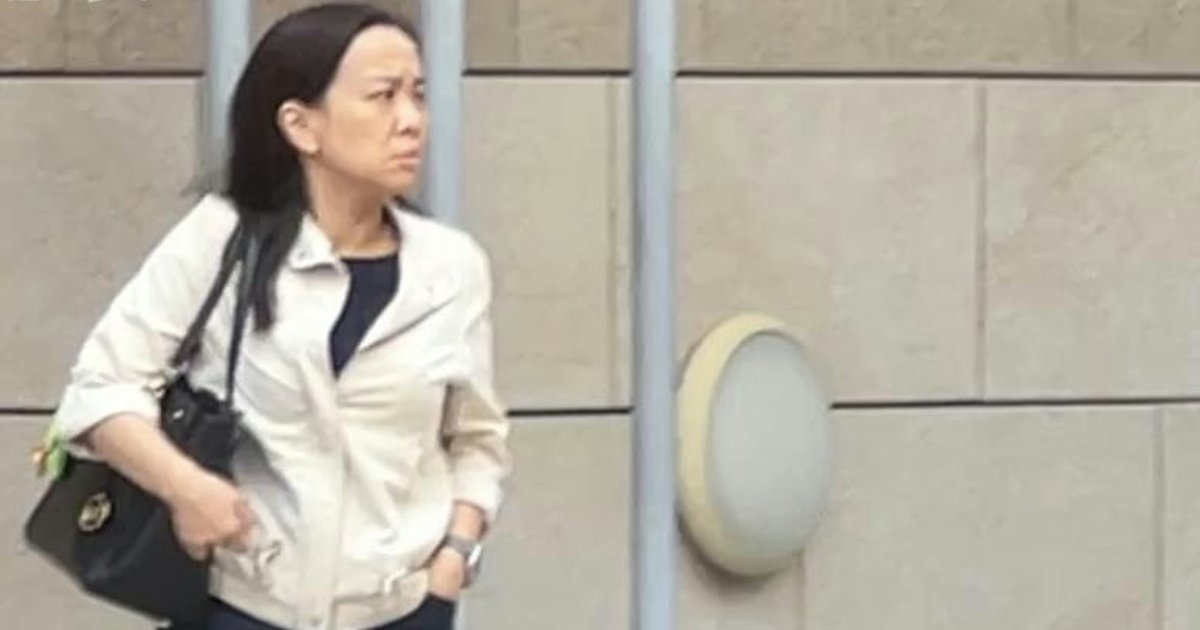
A coroner’s inquest in Hong Kong is examining the death of 43-year-old Lai Siu-hong (黎紹康), who went into shock during an endoscopy at Grand Endoscopy Centre in Tsim Sha Tsui on June 10, 2021, and later died after being sent to Queen Elizabeth Hospital. The hearing, before Coroner Chow Chi-wai without a jury, heard evidence from Lai’s widow, brother and two nurses from the centre. Lai’s widow questioned whether the centre was properly licensed for the procedure, whether propofol should have been administered by an anaesthetist or intensive care doctor, and whether emergency treatment was delayed after his oxygen level fell. Nurses told the court Lai struggled when a tube was inserted, the doctor increased medication, and his oxygen saturation later dropped to 84% before resuscitation efforts began
Key Points
- Lai, a restaurant manager, had congenital nasal passage narrowing, could breathe only through his mouth, and had mitral valve prolapse with mitral regurgitation, according to his widow.
- His widow said he sought treatment for gastric discomfort in May 2021, was advised to undergo upper gastrointestinal and colon endoscopy, and followed dietary and laxative instructions before the procedure.
- Registered nurse Chan Wai-yin said the doctor first gave 100mg of propofol at 12:57pm, then ordered a further 30mg after Lai reached up as if to pull at the tube
- Chan said Lai’s oxygen saturation fell to 84% at 1:03pm, staff gave oxygen and bag-mask ventilation, an ambulance was called at 1:15pm, and cardiac arrest followed at 1:18pm
- Lai’s widow said she believed staff knew of his deterioration at 1:03pm but chest compressions and CPR began only at 1:18pm, with adrenaline given at 1:27pm.
Why It Matters
The inquest is focusing attention on how sedation is administered and monitored during endoscopy procedures at private day procedure centres in Hong Kong, especially for patients with known breathing or cardiac issues. It also raises questions for patients and families about licensing status, staffing qualifications and how quickly emergency protocols are activated when a procedure suddenly goes wrong.