Michael Burry Warns AI Bubble May Burst Sooner, Shifts to Put Options
AM730 · 2 SOURCESabout 2 hours ago2 MIN
Summary
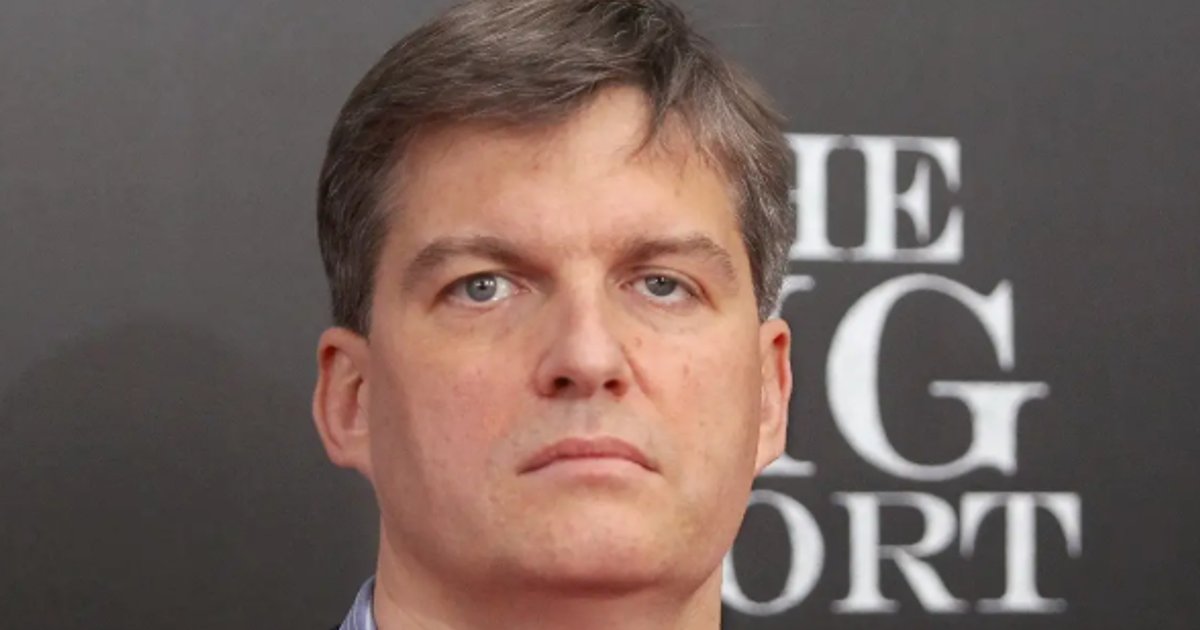
Michael Burry, the hedge fund manager who gained fame for shorting the U.S. housing market before the 2008 financial crisis—and who inspired the main character in the film "The Big Short"—has sounded a new alarm, this time warning that the artificial intelligence (AI) bubble may burst sooner than anticipated. Burry, who manages Scion Asset Management, revealed on Monday (September 28) that he is restructuring his portfolio by converting his short positions on major AI stocks into leveraged put options, a move that would amplify his bearish bet while reducing costs. The veteran investor cited the current low volatility environment as an opportunity to build more aggressive short positions at a fraction of the normal premium cost.
Key Points
- Burry shifted Micron (MU) short position to put options expiring June 2027 with a strike price around $500
- He converted Nebius short position to June 2027 put options with a "two-digit" strike price
- iShares Semiconductor ETF short was replaced with September 2027 put options priced between $400 and $430
- Burry noted that low VIX readings make put options relatively cheap, stating "nothing says leverage like options"
- He cited Ares Management research showing AI spending depends on "unproven revenues" with strict legal financing agreements
- Burry referenced Acer Chairman Stan Shih's warning about memory oversupply from Chinese capacity expansion
Why It Matters
Burry's high-profile market call serves as a contrarian warning at a time when AI stocks have dominated global equity markets. His specific timeline—suggesting AI stocks could reverse before summer 2026—provides a concrete benchmark for investors to monitor, while his use of leveraged put options signals institutional conviction in a market downturn that Hong Kong's tech-heavy Hang Seng Index could face spillover pressure from any correction in U.S. AI-related equities .
Burry's high-profile market call serves as a contrarian warning at a time when AI stocks have dominated global equity markets. His specific timeline—suggesting AI stocks could reverse before summer 2026—provides a concrete benchmark for investors to monitor, while his use of leveraged put options signals institutional conviction in a market downturn that Hong Kong's tech-heavy Hang Seng Index could face spillover pressure from any correction in U.S. AI-related equities .