Cui says UN postings leverage one country, two systems
Bastillepost · 8 SOURCESabout 2 hours ago6 MIN
Summary
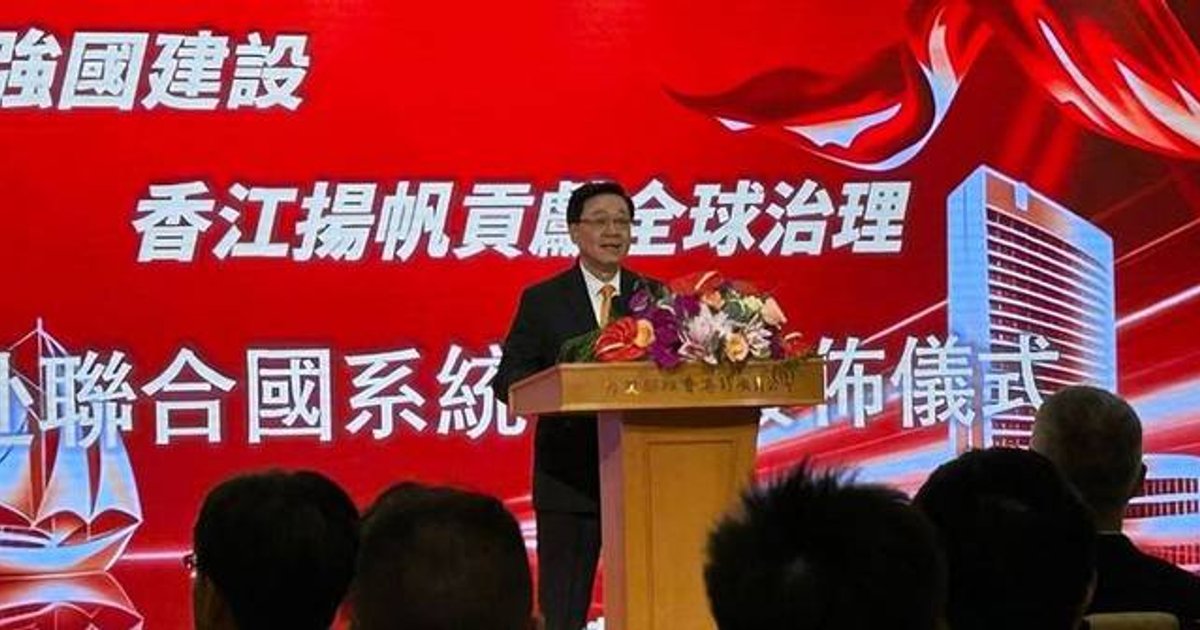
Hong Kong on Tuesday held the launch ceremony for its third batch of young civil servants heading to the United Nations system, with 16 officers from 13 grades departing from September and usually serving for two years. Commissioner of the Chinese foreign ministry in Hong Kong Cui Jianchun (崔建春) said sending Hong Kong youth to UN roles is an important central-government measure to fully leverage the advantages of “one country, two systems” and support their development on a broader stage. Chief Executive John Lee Ka-chiu said the officers would enter the UN as Chinese personnel, serve as representatives of Hong Kong’s story, and return with wider international vision, governance experience and networks. New source details show the 16 officers will work at UN headquarters and offices in Geneva, Vienna and Nairobi, and include staff from 12 bureaux and departments as well as the Independent Commission Against Corruption.
Key Points
- The third batch comprises 16 young civil servants from 13 grades, leaving from September for UN system assignments that generally last two years.
- The government said they will serve as Chinese personnel at UN headquarters and offices in Geneva, Vienna and Nairobi.
- Lee said the officers should be “super connectors” and “super value-adders”, uphold multilateralism and tell colleagues worldwide Hong Kong’s true story.
- Cui said Hong Kong youth are valuable for global governance because they command written Chinese and English and spoken Cantonese, Putonghua and English.
- Individual postings include Wong Yik-ho to New York, Lam Chum-yi to the World Meteorological Organization in Geneva, and Senior Inspector Ng Lung to Vienna.
Why It Matters
The programme gives Hong Kong civil servants a structured route into frontline multilateral work and a mechanism for bringing international policy, negotiation and administrative experience back into government service. It also ties Hong Kong’s external role more closely to national diplomacy, with officials explicitly linking the scheme to global governance, multilateralism and the city’s place under “one country, two systems”.