Industry Leader Urges Policy Update to Revive Hong Kong's Dried Seafood Trade
HK01 · 1 SOURCESabout 5 hours ago5 MIN
Summary
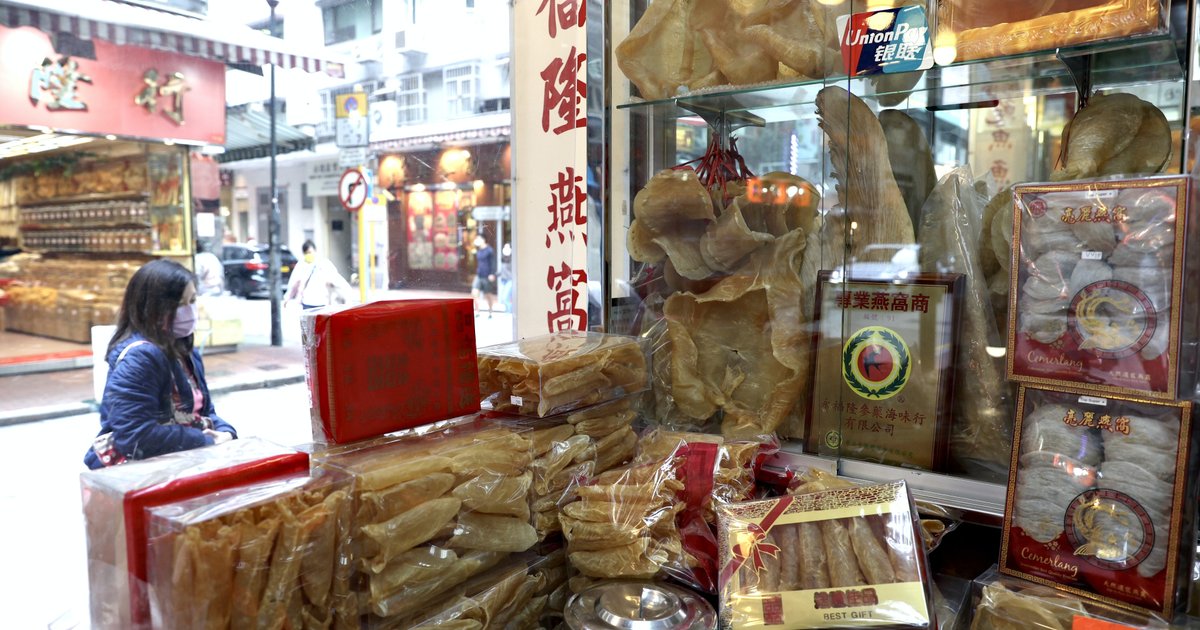
Hong Kong's dried seafood industry, a long-standing retail cornerstone, faces a dual challenge: deeply entrenched consumer misconceptions and outdated duty-free policies. Industry leaders warn that a persistent myth—claiming dried seafood cannot be brought into mainland China—is strangling legitimate trade when the actual regulations have been clarified since 2021.
Key Points
- The Hong Kong dried seafood sector, which encompasses abalone, sea cucumber, shark fin, fish Maw, and dried scallops sourced globally, has experienced a marked slowdown in recent years .
- A 2021 mainland announcement (No. 470) explicitly permits travelers to bring non-endangered, dried or cooked aquatic animal products into China for personal use, without a fixed kilogram cap, subject to customs discretion .
- Merchants report that the most frequent customer inquiry remains whether products can legally be taken back, indicating the 2021 policy update has failed to reach the public effectively .
- Current duty-free allowances range from RMB 12,000 to RMB 15,000 at certain ports, while premium dried seafood items cost thousands per jin, making it easy for consumers to exceed limits when purchasing for personal or gift purposes .
- Chan Ka-wa (陳嘉華), President of the Hong Kong Dining Industry Association, proposes raising the duty-free threshold to RMB 50,000, which could boost industry scale by 10 to 20 percent and revitalize the entire supply chain including logistics and storage .
Why It Matters
The dried seafood trade represents a significant segment of Hong Kong's traditional retail sector and serves as a cultural identifier for the city. Resolving the information gap through coordinated promotion at border checkpoints and travel platforms, combined with a calibrated increase in duty-free allowances, could unlock substantial consumer spending and provide a much-needed catalyst for Hong Kong's retail recovery amid prolonged economic stagnation .
The dried seafood trade represents a significant segment of Hong Kong's traditional retail sector and serves as a cultural identifier for the city. Resolving the information gap through coordinated promotion at border checkpoints and travel platforms, combined with a calibrated increase in duty-free allowances, could unlock substantial consumer spending and provide a much-needed catalyst for Hong Kong's retail recovery amid prolonged economic stagnation .