Causeway Bay Shop Sold at 67% Loss as 'Hipster Haven' Dream Fades
SingTao · 1 SOURCESabout 3 hours ago6 MIN
Summary
The once-celebrated "Second SoHo" narrative in Causeway Bay has suffered a decisive reversal, with a King's Street shop transaction laying bare the vulnerability of Hong Kong's trend-driven retail concepts. The HK$5 million sale price, equivalent to a suburban three-bedroom flat, underscores how premium neighborhood positioning can evaporate when macro conditions shift and regulatory pressures intensify on informal operating models that sustained these businesses.
Key Points
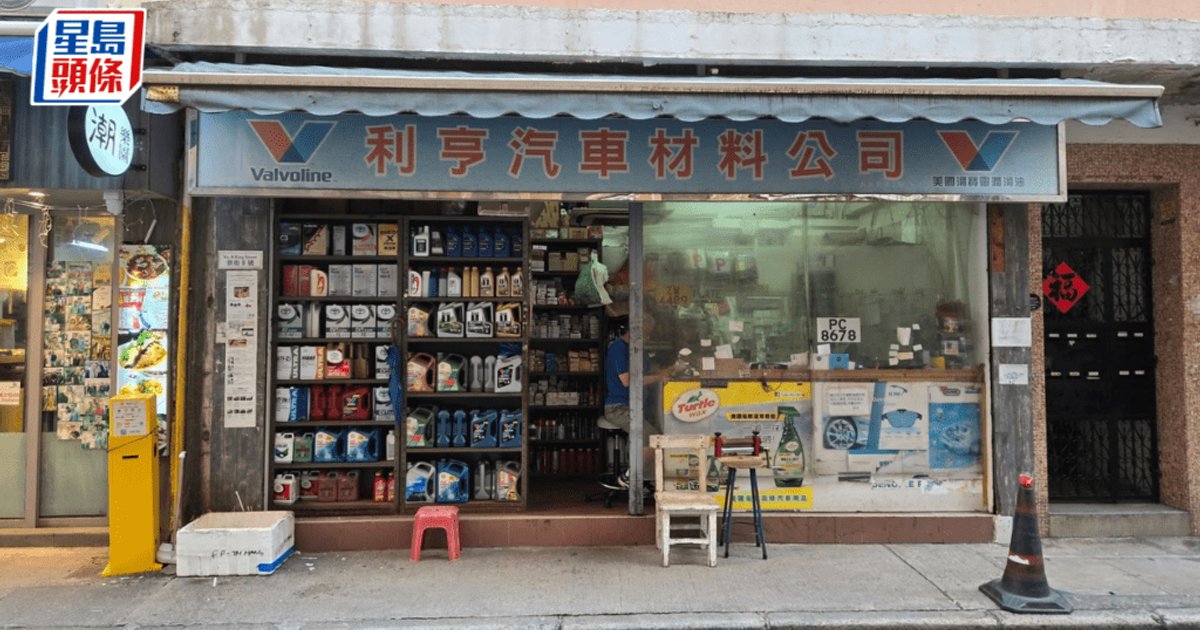
- The shop at King's Street 8-9, Causeway Bay, sold for HK$5 million with a built area of about 500 sq ft
- The unit is currently occupied by an auto parts retailer, a stark contrast to its former mix of boutique cafes and bakeries
- Peak valuation once exceeded HK$15 million; the current price reflects a decline of over 67%
- Price per square foot has dropped to HK$10,000 from highs of HK$30,000 to HK$40,000 a decade ago
- The original owner purchased the property in 1989 for HK$1.22 million, still profiting HK$3.78 million (3x return) after 37 years
Why It Matters
The collapse of shop values in King's Street signals a broader unraveling of Hong Kong's neighborhood revitalization strategies that relied on hipster culture and weekend crowds. Lee Kun-hing, founder of the Shop REIT Fund (盛滙商舖基金), explained that the area's survival depended on outdoor seating arrangements that were eventually shut down due to noise complaints and stricter Food and Environmental Hygiene Department enforcement . As traditional commercial districts like Causeway Bay saw rents decline, businesses that had retreated there during the boom years are now returning to their original locations, leaving these former "artisan corridors" increasingly vacant .
The collapse of shop values in King's Street signals a broader unraveling of Hong Kong's neighborhood revitalization strategies that relied on hipster culture and weekend crowds. Lee Kun-hing, founder of the Shop REIT Fund (盛滙商舖基金), explained that the area's survival depended on outdoor seating arrangements that were eventually shut down due to noise complaints and stricter Food and Environmental Hygiene Department enforcement . As traditional commercial districts like Causeway Bay saw rents decline, businesses that had retreated there during the boom years are now returning to their original locations, leaving these former "artisan corridors" increasingly vacant .
Summary
The once-celebrated "Second SoHo" narrative in Causeway Bay has suffered a decisive reversal, with a King's Street shop transaction laying bare the vulnerability of Hong Kong's trend-driven retail concepts. The HK$5 million sale price, equivalent to a suburban three-bedroom flat, underscores how premium neighborhood positioning can evaporate when macro conditions shift and regulatory pressures intensify on informal operating models that sustained these businesses.