Customs arrests seven in HK$23 million medicine smuggling bust
HK01 · 6 SOURCESabout 4 hours ago2 MIN
Summary
Hong Kong Customs said it had uncovered six airmail parcel smuggling cases involving suspected controlled slimming injections and separately broke up a suspected warehouse used to store smuggled medicines, arresting seven local people in total. The haul included about 650,000 items of suspected controlled medicines, 64 suspected slimming injections and a batch of manufactured tobacco, with an estimated total market value of about HK$23 million. Officers said six parcels sent from Japan and declared as ballpoint pens were found to contain syringe-shaped items, while a separate suspicious parcel at an urban post office led investigators to the warehouse. All seven arrested people, aged 19 to 55, have been released on bail pending further investigation, and Customs said more arrests are possible.
Key Points
- Customs began a series of investigations in late October targeting the use of airmail parcels to smuggle controlled medicines and slimming injections into Hong Kong.
- On the night of November 6 into the early hours of November 7, airport officers inspected six Japan-to-Hong Kong parcels declared as ballpoint pens.
- X-ray screening showed syringe-shaped objects inconsistent with the declarations, and officers seized 64 suspected controlled slimming injections containing Part 1 poisons, worth about HK$43,000.
- After controlled delivery operations over the past two weeks, Customs arrested six recipients, comprising five women and one man aged between 19 and 55.
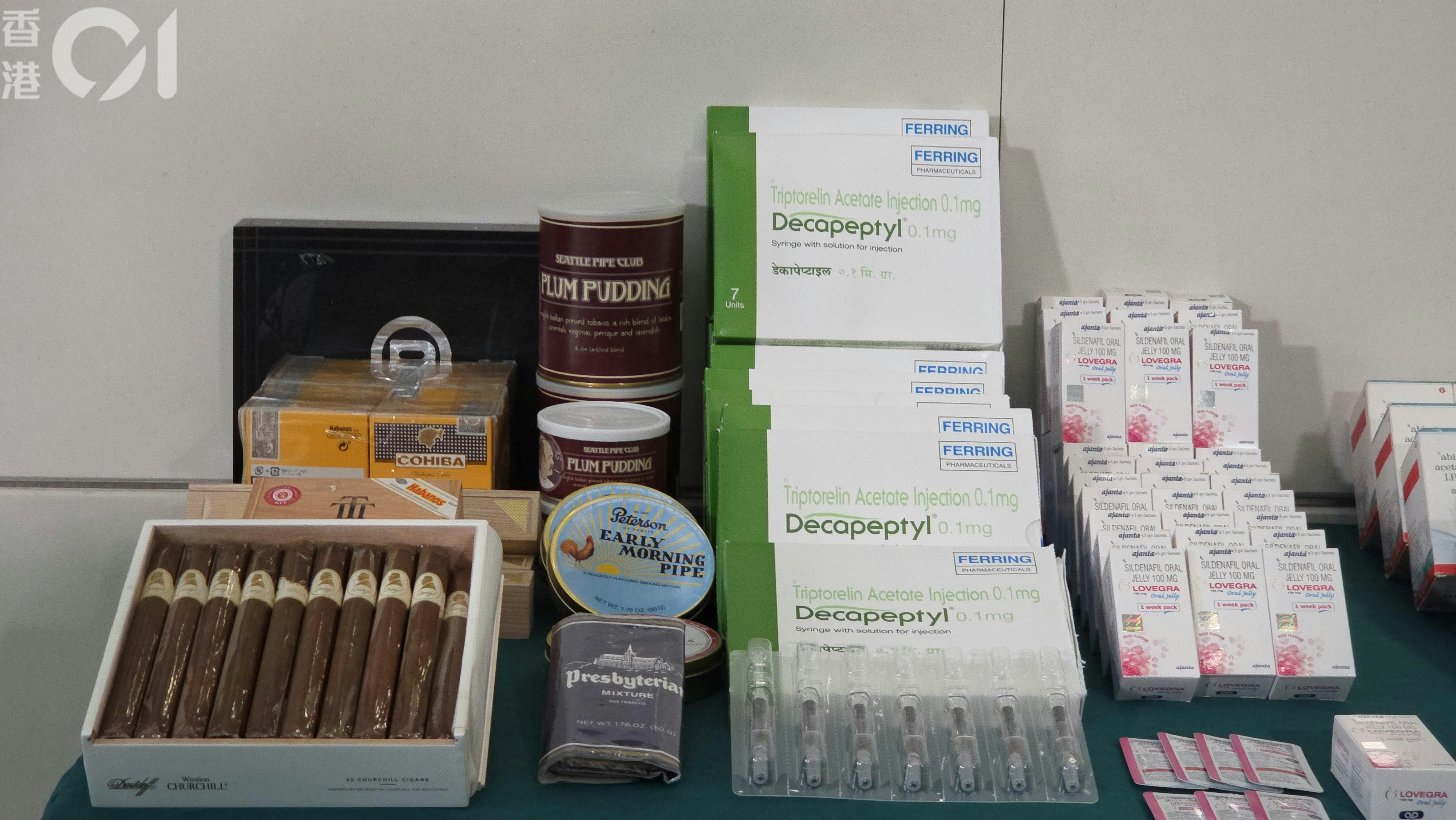
- A separate suspicious parcel containing controlled medicines and cigars led officers to a warehouse holding erectile dysfunction drugs, fertility medicines, cancer drugs and manufactured tobacco; a 40-year-old man was arrested.
Why It Matters
The case underlines the health risks of buying medicines and slimming injections online when products are unregistered, of unclear origin and may not have been stored properly. Customs said the seized medicines carried no Department of Health registration numbers, and the slimming injections had not been refrigerated as required by their packaging instructions, leaving their safety and quality in doubt. Investigators also said they are examining whether any of the medicines had entered the local market or were intended for illegal distribution in Hong Kong.