NASA Discovers Massive New Moon Crater Three Times Larger Than Previous Record
Bastillepost · 2 SOURCES1 day ago3 MIN
Summary
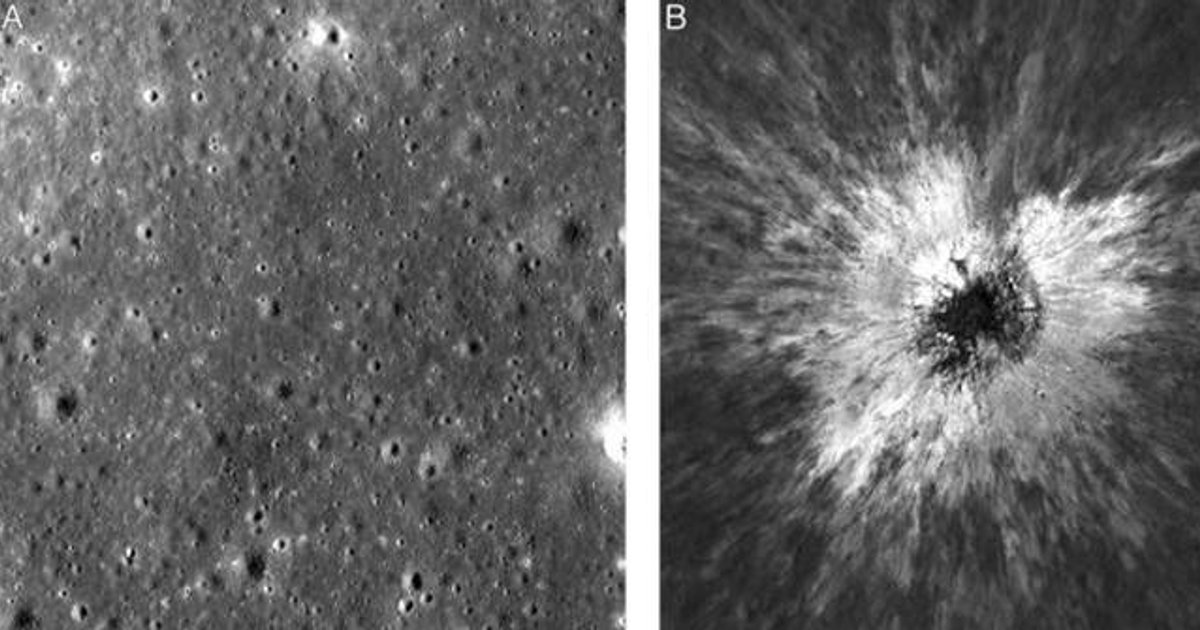
NASA scientists have confirmed the discovery of a newly formed impact crater on the near side of the Moon—the largest known crater created by a cosmic impact in recent solar system history. The crater, designated McGetchin in honor of the late Thomas McGetchin, former director of the Lunar and Planetary Institute, spans 222 meters across and reaches 43 meters in depth, making it larger than Rome's iconic Colosseum . The collision occurred in May 2024 when an asteroid or comet fragment roughly the size of a 3-to-6-story building struck the lunar surface, yet the event went completely undetected by Earth-based observatories and space telescopes at the time . The Lunar Reconnaissance Orbiter (LRO) captured images of the crater shortly after the impact, but the massive volume of daily imagery meant researchers did not notice the crater until August 2025 during a routine review of wide-angle photographs . This newly identified crater is approximately three times larger than the previous record holder, which LRO discovered about a decade ago . The impact disturbed more than 100 kilometers of lunar terrain, ejecting large amounts of lunar dust and rock debris far beyond the immediate impact zone .
Key Points
- The McGetchin crater measures 222 meters in diameter and 43 meters deep, making it larger than the Roman Colosseum and three times bigger than the previous record holder
- The impact occurred in May 2024 when an asteroid or comet fragment the size of a 3-to-6-story building struck the lunar near side
- Scientists estimate such a large-scale impact happens approximately once every 132 years, describing it as a "once-in-a-lifetime" observation
- The LRO captured images in May 2024, but researchers did not notice the crater until August 2025 due to the massive volume of daily imagery
- The collision ejected debris across more than 100 kilometers of lunar surface, with ejection angles higher than scientists had predicted
Why It Matters
The discovery provides invaluable data for NASA's plans to establish a permanent lunar base for astronauts, offering insights into how large impacts scatter lunar soil and rocks across vast distances . Researchers have also identified a 7-kilometer-diameter "cold zone" surrounding the crater where the lunar regolith became loosened, creating conditions that could affect future construction sites . Furthermore, LRO principal scientist Mark Robinson noted that lunar soil turns over approximately every 80,000 years, meaning the iconic footprints left by Apollo astronauts will eventually vanish—though this process unfolds over geological timescales rather than human ones .
The discovery provides invaluable data for NASA's plans to establish a permanent lunar base for astronauts, offering insights into how large impacts scatter lunar soil and rocks across vast distances . Researchers have also identified a 7-kilometer-diameter "cold zone" surrounding the crater where the lunar regolith became loosened, creating conditions that could affect future construction sites . Furthermore, LRO principal scientist Mark Robinson noted that lunar soil turns over approximately every 80,000 years, meaning the iconic footprints left by Apollo astronauts will eventually vanish—though this process unfolds over geological timescales rather than human ones .