Police say fake ticket ring likely dismantled
AM730 · 6 SOURCESabout 9 hours ago2 MIN
Summary
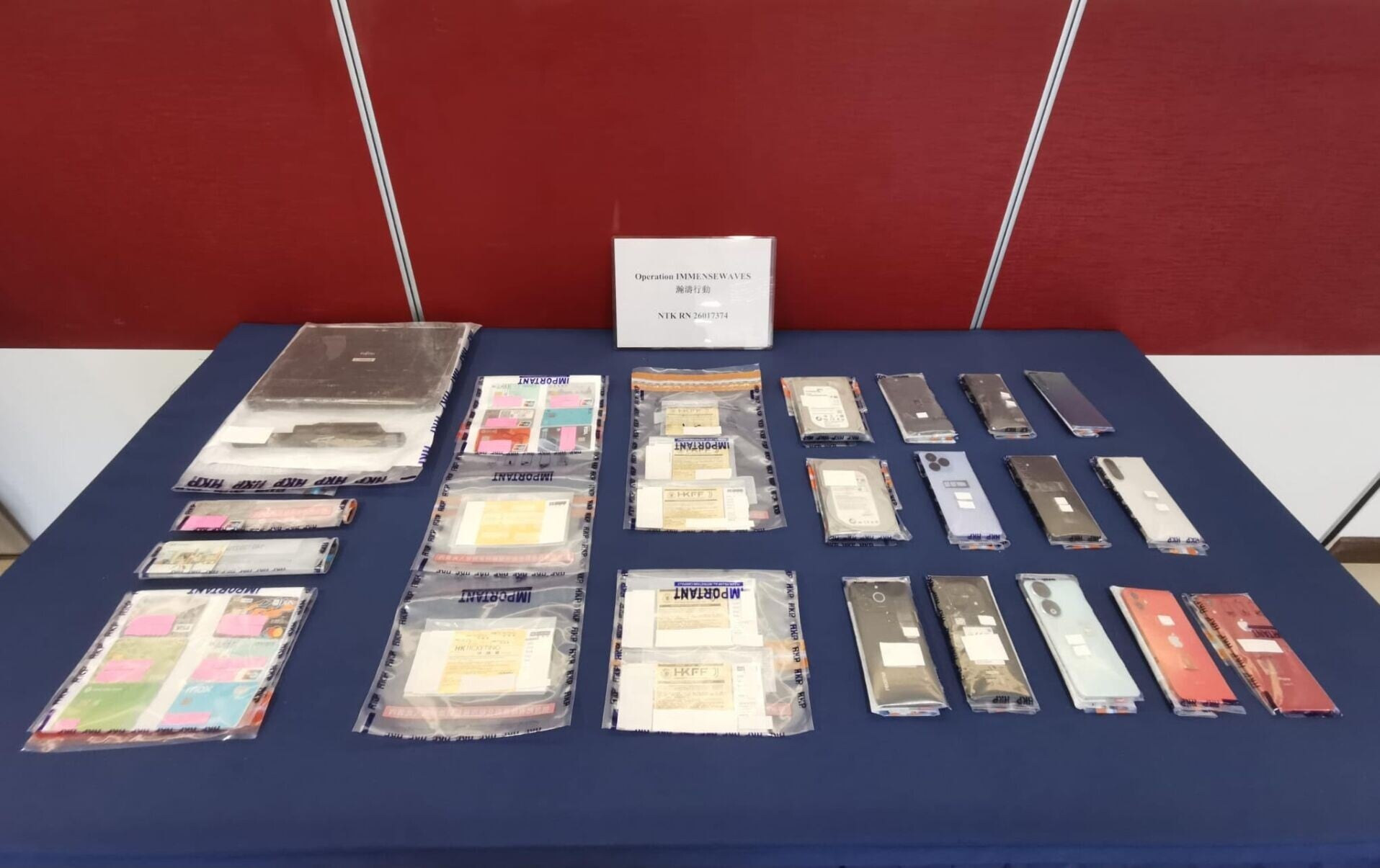
Hong Kong police said a two-day enforcement operation on November 10 and 11 led to the arrest of 10 local men and women aged 18 to 46 over online ticket scams, fake ticket sales and related money laundering. Officers said eight of those arrested were alleged masterminds or core members of a local fake-ticket syndicate, while two others were linked to a newer scam in which fraudsters posed as physical shops and offered tickets or fan support items online. Police said some of those arrested had triad backgrounds, and that the syndicate was believed to be in its early stages and has likely been dismantled. The investigation also found that linked mule accounts handled more than HK$81 million in suspected crime proceeds and were connected to at least 12 fraud cases involving more than HK$360,000 in losses.
Key Points
- Police said the fake-ticket group had a clear division of labour, with core members posting offers one or two days before events using claims such as half-price tickets, no deposit and face-to-face trading.
- After a buyer agreed, handlers carrying forged tickets would meet victims at MTR stations on the event day, sometimes pretending to demonstrate ticket-checking methods to build trust before taking cash or transfers.
- Investigators said many victims only discovered the fraud at venue gates, after online posts had been deleted and the sellers had disappeared, leaving little chance of immediate recovery.
- Police also uncovered fake social media pages impersonating local audio-visual shops or Japanese and Korean goods stores, sometimes using real addresses, to create the illusion of stock and lure victims into filling forms and paying deposits.
- Another tactic involved fraudsters posing as devoted fans and offering free or cheap official or homemade concert support items, then sending bogus courier links to scam interested users.
Why It Matters
The case shows how demand driven by Hong Kong's busy calendar of concerts and major events can be exploited through both street-level handovers and cross-platform online deception. It also underlines the wider risk from mule-account networks, because the same accounts were allegedly used to move suspected criminal proceeds far beyond ticket scams.