Cross-Border Medical Care Only a Transition: Saving Lives Until Drug Costs Drop
HK01 · 1 SOURCESabout 4 hours ago5 MIN
Summary
The Cancer Information Network Charity Fund, founded by cancer survivors, caregivers, and frontline medical professionals, has published an opinion piece clarifying that cross-border medical treatment serves only as a transitional measure while local drug prices remain unaffordable for ordinary families. The organization helped 55 cancer patients through its first Hong Kong Cancer Patient Drug Assistance Program launched in September 2024. The founder, Ng Wai-lun (吳偉麟), argues that the long-term vision should be affordable local treatment options, with cross-border care serving as a temporary bridge until the healthcare system catches up.
Key Points
- Cancer Information Network Charity Fund, founded by survivors, caregivers, and frontline medical staff and volunteers, supports cancer patients facing high drug costs
- The first phase of the Hong Kong Cancer Patient Drug Assistance Program launched in September 2024, helping 55 patients, most with urgent medical needs
- The organization partnered with the Kuok Foundation and Chow Tai Fook Medical Fund to launch Program 2.0, providing both drug subsidies and patient accompaniment services
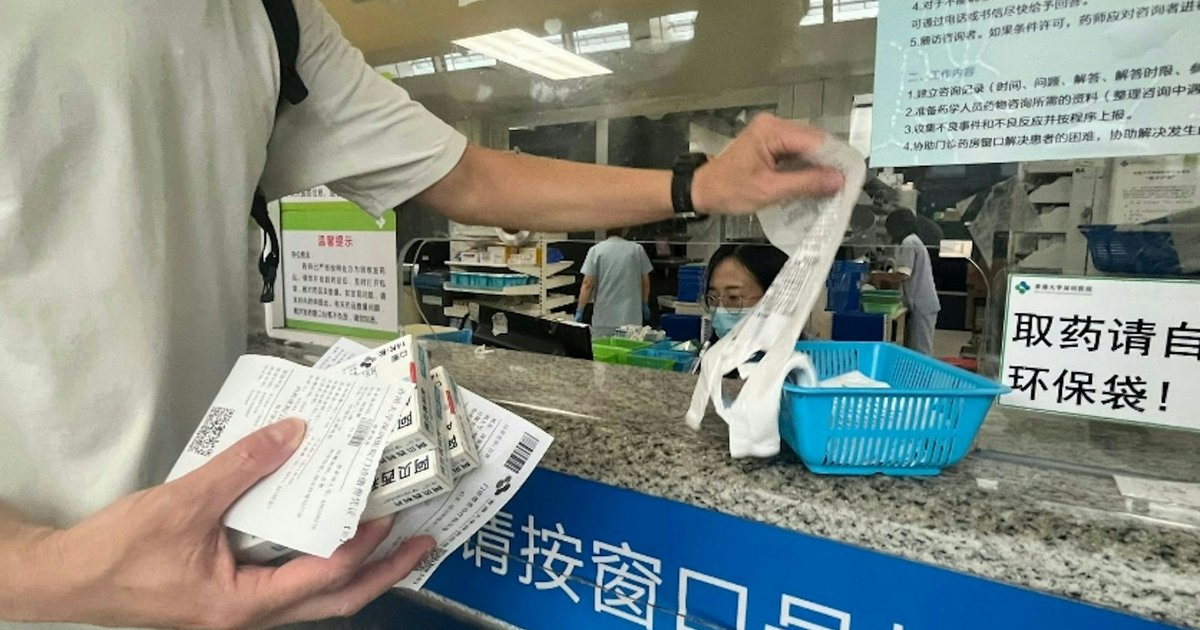
- Cross-border medical treatment carries drawbacks including travel fatigue, unfamiliar healthcare systems, and psychological burden on patients going alone
- The founder advocates for eventual reduction in local drug prices so that seriously ill patients can receive treatment near home without crossing the border
Why It Matters
This opinion piece articulates the dilemma facing many Hong Kong cancer patients who can access life-saving drugs but cannot afford them locally. The charity's stance as a temporary bridge rather than an endorsement of permanent cross-border care reflects broader calls for healthcare reform, while the partnership model with corporate foundations offers a possible template for addressing gaps in the public system until more sustainable solutions emerge .
This opinion piece articulates the dilemma facing many Hong Kong cancer patients who can access life-saving drugs but cannot afford them locally. The charity's stance as a temporary bridge rather than an endorsement of permanent cross-border care reflects broader calls for healthcare reform, while the partnership model with corporate foundations offers a possible template for addressing gaps in the public system until more sustainable solutions emerge .